
Why Does a Fuel Dispenser Nozzle Keep Shutting Off? Causes & Solutions
News 2026年 7月 28日 82
A fuel dispenser nozzle keeps shutting off can make refueling slow and frustrating. The problem may be caused by a blocked sensing hole, foreign material inside the nozzle, abnormal fuel flow, pipeline problems, vapor recovery issues, or a fault in the nozzle’s internal automatic shut-off mechanism.
The problem is not always caused by a defective nozzle. A blocked sensing hole, foreign material inside the nozzle, unstable fuel flow, pipeline problems, air leakage, or an abnormal vapor recovery system can also affect nozzle operation.
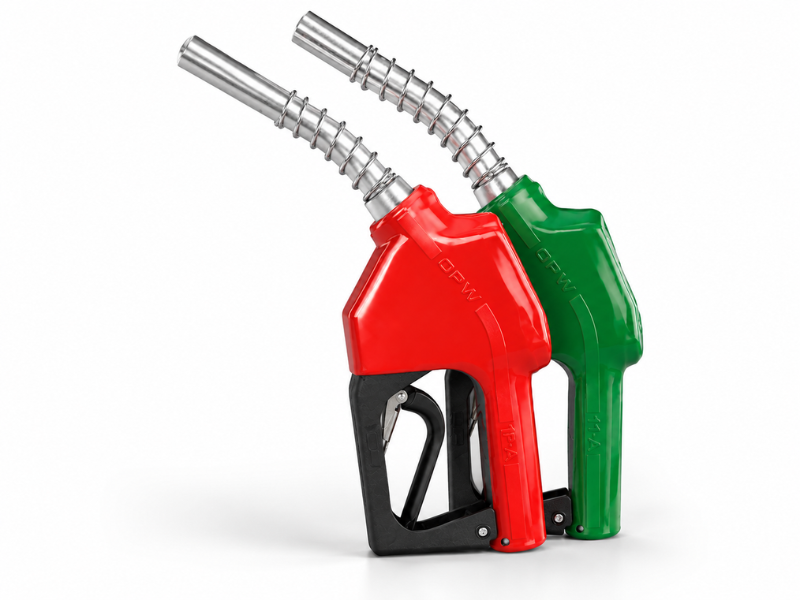
This guide explains the common causes of frequent automatic shut-off and nozzle failure, how to troubleshoot the problem, and when the nozzle may need to be repaired or replaced.
1. How Does a Fuel Dispenser Nozzle Automatically Shut Off?
A fuel nozzle is designed to stop fuel flow automatically when its shut-off mechanism detects conditions indicating that the fuel level has reached the required point.
The nozzle contains a sensing passage and an internal automatic shut-off mechanism. When the sensing system detects the corresponding change during refueling, the internal mechanism releases and stops fuel flow.
Therefore, problems affecting the sensing passage, internal valve, fuel flow, or vapor and air conditions around the nozzle can cause abnormal shut-off.
Understanding this mechanism makes it easier to identify why a fuel dispenser nozzle keeps shutting off or why it fails to shut off automatically.
2. Why Does a Fuel Dispenser Nozzle Keep Shutting Off?
Several conditions can cause a nozzle to shut off repeatedly during refueling.
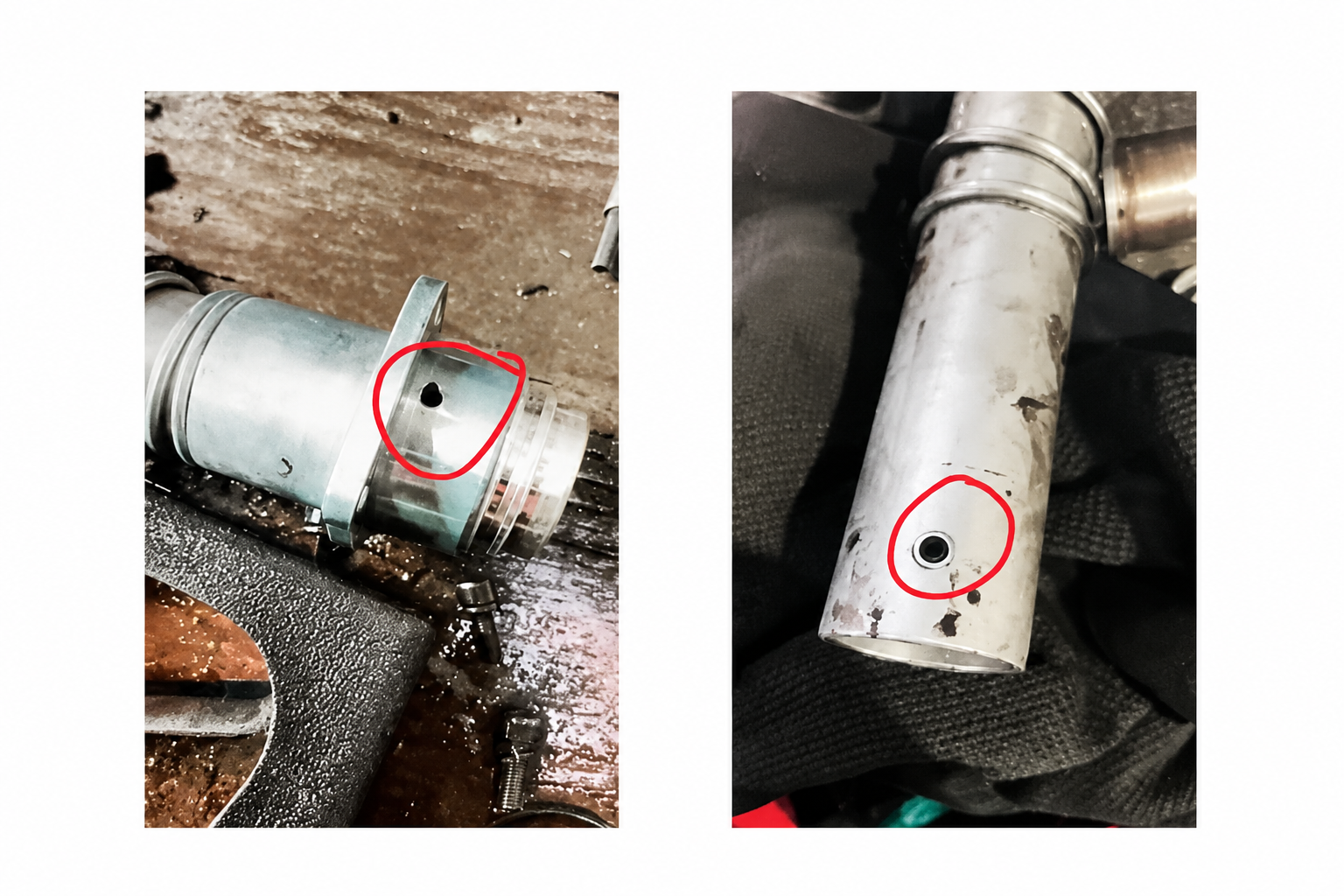
2.1. Blocked or Dirty Nozzle Sensing Hole
One of the most common causes is contamination around the nozzle sensing hole or passage.
Dirt, dust, fuel residue, or other deposits can interfere with the sensing mechanism. The nozzle may then detect an abnormal condition and shut off before the fuel tank is actually full.
When a fuel dispenser nozzle keeps shutting off, inspect the sensing hole and related passages first.
If contamination is found, clean the affected area carefully and test the nozzle again.
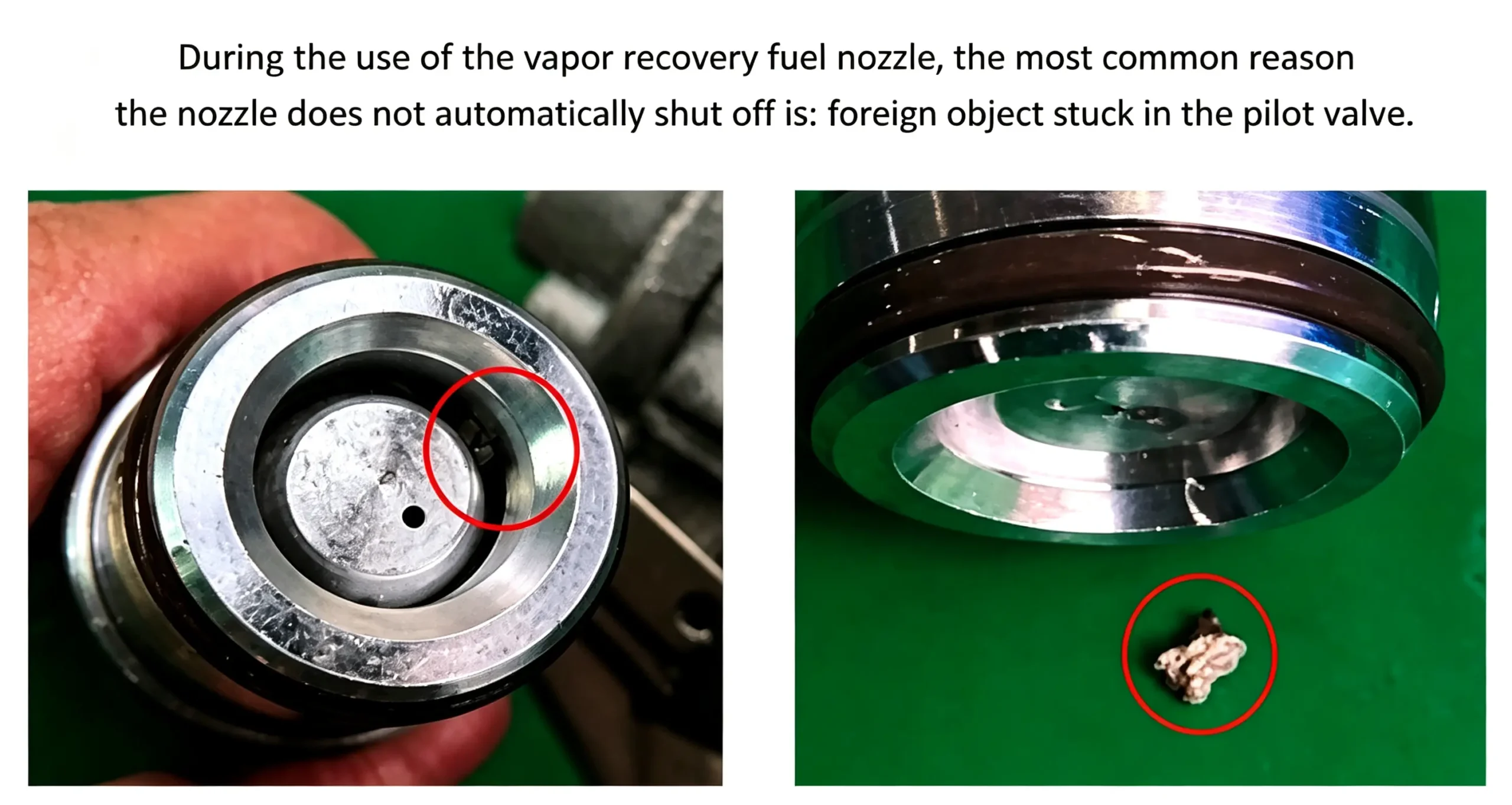
2.2. Foreign Material Inside the Nozzle
Foreign material can enter the nozzle and affect its internal components.
Small particles or fuel deposits may interfere with the valve or automatic shut-off mechanism, causing the nozzle to shut off repeatedly or operate inconsistently.
If cleaning the external sensing area does not solve the problem, the nozzle may need to be inspected internally.
2.3. Abnormal Fuel Flow
An abnormal or unstable fuel flow condition can also contribute to premature nozzle shut-off.
Check whether the fuel flow is stable during dispensing. If the problem occurs together with unusual flow behavior, the nozzle should not be considered the only possible source of the fault.
The fuel supply system, dispenser, pump, and pipeline should also be checked.
2.4. Fuel Pipeline Problems
A restricted or improperly connected fuel pipeline can affect dispensing performance.
Possible issues include:
- Pipeline blockage
- Poor pipe connections
- Air entering the fuel system
- Contamination inside the pipeline
- Unstable fuel supply
If several nozzles connected to the same system experience similar symptoms, checking the fuel supply and pipeline system is especially important.
2.5. Vapor Recovery or Ventilation Problems
For systems equipped with vapor recovery, abnormal vapor flow can affect nozzle operation.
A blocked or improperly functioning vapor recovery path may cause abnormal pressure or air conditions during refueling. This can contribute to premature nozzle shut-off.
Therefore, when nozzle problems continue after the nozzle itself has been inspected, check the relevant vapor recovery and ventilation components.
2.6. Problem With the Nozzle’s Internal Shut-Off Mechanism
The automatic shut-off mechanism inside the nozzle can become contaminated, stuck, or worn.
Fuel residue, foreign material, or mechanical wear may prevent the mechanism from operating correctly.
In this situation, simply cleaning the external sensing hole may not solve the problem. The internal valve and shut-off components should be inspected.
3. Why Does a Fuel Nozzle Shut Off Immediately?
A nozzle that shuts off immediately after the handle is opened is different from one that stops only after several seconds of fueling.
Possible causes include:
- Blocked sensing hole or passage
- Foreign material inside the nozzle
- Abnormal fuel flow
- Vapor recovery problems
- Fuel pipeline or air leakage problems
- Internal nozzle mechanism failure
Start by checking the sensing hole and nozzle condition. If the nozzle is clean and the problem remains, continue checking the fuel flow, pipeline, and vapor recovery system.
If the same nozzle continues to shut off immediately after these checks, internal nozzle inspection or replacement may be required.
4. Why Does a Fuel Nozzle Fail to Shut Off Automatically?
The opposite problem can also occur: the nozzle does not stop automatically when it should.
A common cause is a problem with the internal automatic shut-off mechanism.
Foreign Material Inside the Valve
Foreign material can prevent the internal valve from moving correctly.
Secondary Valve Sticking
A sticking secondary valve can interfere with the normal automatic shut-off process.
Fuel Residue or Mechanical Wear
Fuel deposits and long-term mechanical wear may affect the movement of internal components.
When a nozzle fails to shut off automatically, inspect the internal components rather than repeatedly operating the nozzle without identifying the cause.
If the components are damaged or excessively worn, replacing the nozzle may be more appropriate than cleaning it.
For maintenance and replacement requirements, you can also explore our fuel dispenser parts and components for commonly used dispenser components.
5. How to Troubleshoot a Fuel Dispenser Nozzle
When a fuel dispenser nozzle keeps shutting off, it is recommended to check the nozzle from simple to more complex causes. This can help determine more quickly whether the problem comes from the nozzle itself or from another part of the fuel system.
Step 1: Check the Nozzle Sensing Hole
Check the sensing hole and related passages for:
- Dust
- Dirt
- Fuel residue
- Other contaminants
Clean the sensing hole and related passages, then test the nozzle again to see whether the fuel dispenser nozzle keeps shutting off.
Step 2: Check for Foreign Material Inside the Nozzle
Check the inside of the nozzle for foreign material that may affect the sensing mechanism or automatic shut-off mechanism.
If foreign material is found, clean and inspect the nozzle according to its structure.
Step 3: Check the Fuel Flow Rate
Observe whether the fuel flow remains stable during refueling.
If the fuel flow is abnormal, do not immediately assume that the nozzle is faulty. The fuel supply system should also be checked.
Step 4: Check the Fuel Pipeline
Check:
- Pipeline connections
- Whether the pipeline is blocked
- Whether contaminants are present inside the pipeline
- Whether there is air leakage
- Whether the fuel supply is stable
If multiple nozzles experience similar problems at the same time, the pipeline and common fuel supply system should be checked carefully.
Step 5: Check the Vapor Recovery System
If the gas station is equipped with a vapor recovery system, check whether the related pipelines and components are operating properly.
Pay attention to whether there are:
Step 6: Check the Nozzle’s Internal Automatic Shut-Off Mechanism
If no obvious problem is found during the previous checks, further inspection of the internal valves and automatic shut-off mechanism may be necessary.
Check for:
- Foreign material
- Fuel residue
- Valve sticking
- Mechanical wear
- Damaged components
If the fuel dispenser nozzle keeps shutting off after the previous checks, further inspection of the internal valves and automatic shut-off mechanism may be necessary.
Step 7: Test With Another Nozzle
Testing with another normally functioning nozzle can help determine whether the fuel dispenser nozzle keeps shutting off because of a nozzle problem or another part of the system.
If only one nozzle repeatedly experiences the problem while the other nozzles operate normally, the fault is more likely to be concentrated in that nozzle itself.
If the problem remains after replacing the nozzle for testing, continue checking the common fuel supply system, pipelines, pump, and vapor recovery system.
Step 8: Replace the Nozzle if Necessary
If the nozzle still cannot operate normally after cleaning, inspection, and testing, or if its internal components are damaged or severely worn, the nozzle may need to be replaced.
If you need to replace the complete unit or source new dispensing equipment, you can also view our fuel dispensers for different fuel station configurations.
6. Is the Problem Caused by the Nozzle or the Fuel Dispenser?
Before replacing a nozzle, compare the symptoms across the dispensing system.
| Symptom | Areas to Check |
|---|---|
| One nozzle frequently shuts off | Nozzle sensing system and internal mechanism |
| Several nozzles have the same problem | Common fuel supply or dispenser system |
| Nozzle shuts off immediately | Sensing passage, flow condition, vapor recovery |
| Nozzle does not shut off automatically | Internal shut-off mechanism |
| Fuel flow is unstable | Pump, pipeline, or dispenser system |
| Problem continues after nozzle cleaning | Internal nozzle components or related system |
This approach helps prevent unnecessary replacement of a nozzle when the actual problem is somewhere else in the fuel dispensing system.
If your fuel dispenser is experiencing frequent nozzle shut-off or abnormal automatic shut-off problems, Contact Us with the dispenser and nozzle details. We can help identify possible causes and provide suitable fuel dispenser and component solutions.
7. When Should You Replace a Fuel Dispenser Nozzle?
Not every nozzle problem requires immediate replacement.
If the problem is caused by dirt, dust, fuel residue, or minor contamination, cleaning and inspection may restore normal operation.
If the internal valve is sticking or contaminated, further inspection and maintenance may be required.
However, if the automatic shut-off mechanism or other internal components are damaged or significantly worn, replacing the nozzle can be a more practical solution.
For stations with repeated nozzle problems, it is also important to investigate the underlying fuel supply, pipeline, and vapor recovery conditions rather than replacing nozzles repeatedly.
If a fuel dispenser nozzle keeps shutting off after cleaning, inspection, and testing, and the internal components are damaged or severely worn, replacing the nozzle may be necessary.
8. How to Prevent Fuel Dispenser Nozzle Problems
Regular inspection can reduce the risk of repeated nozzle failure.
Recommended maintenance includes:
- Keep the nozzle sensing hole and passages clean.
- Check the nozzle for fuel residue and foreign material.
- Inspect the automatic shut-off mechanism regularly.
- Check fuel flow for abnormal conditions.
- Keep fuel pipelines clean and properly connected.
- Inspect vapor recovery components where applicable.
- Test automatic shut-off performance during maintenance.
- Replace nozzles with damaged or excessively worn internal components.
Proper maintenance of both the nozzle and the surrounding fuel dispensing system is important for reliable operation.
9. Conclusion
A fuel dispenser nozzle keeps shutting off for several possible reasons, and the nozzle itself is not always the source of the problem. A blocked sensing hole, foreign material, abnormal fuel flow, pipeline problems, air leakage, vapor recovery issues, or a damaged internal shut-off mechanism can all affect nozzle performance.
When troubleshooting, start with the simplest checks and work systematically through the nozzle, fuel flow, pipeline, and vapor recovery system. If cleaning and inspection do not restore normal operation, the nozzle may need to be repaired or replaced.
If you are sourcing fuel dispensers, fuel dispenser parts, nozzles, or other gas station equipment, our team can help identify suitable equipment according to your project requirements.