
Gas Station Emergency Shutoff System Requirements: Installation & Safety Guide
News 2026年 8月 19日 50
A gas station emergency shutoff system is a critical safety system designed to stop fuel transfer quickly when a fire, fuel spill, equipment failure, leakage, or other emergency occurs.
Under GB 50156-2021, gas stations are required to have an emergency shutoff system capable of achieving emergency shutdown and closing emergency shutoff valves during an accident.
Emergency shutoff systems should also be considered together with gas station safety distances and overall station safety design.
For international projects, additional requirements may apply depending on local fire, electrical, and petroleum regulations.
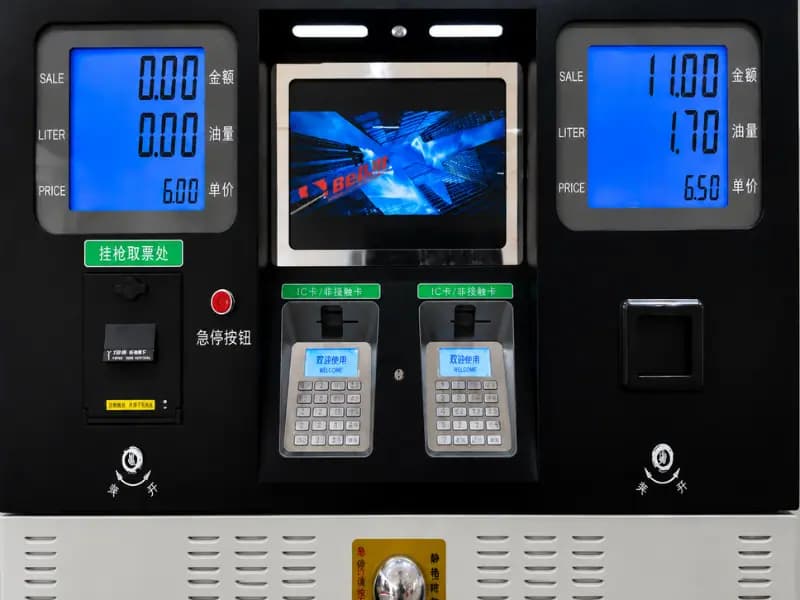
1. What Is a Gas Station Emergency Shutoff System?
A gas station emergency shutoff system allows operators to stop fuel-related equipment from a safe location during an emergency.
A typical system may include:
- Emergency shutoff buttons
- Control circuits
- Fuel dispenser power disconnects
- Submersible oil pump power control
- Emergency shutoff valves
- Alarm or monitoring interfaces
- Manual reset functions
The basic safety sequence is:
Emergency Button → Control System → Pump Power OFF → Emergency Valve Closed → Fuel Flow Stopped
The purpose is simple: stop fuel movement as quickly as possible and prevent an incident from becoming more serious.
2. Why Is an Emergency Shutoff System Required?
A fuel station contains several potential sources of fuel release, including:
- Underground fuel tanks
- Submersible oil pumps
- Underground fuel piping
- Fuel dispensers
- Fuel hoses and nozzles
- Unloading connections
If a leak, fire, collision, or equipment failure occurs while fuel is being transferred, continuing fuel flow can increase the amount of fuel released.
The emergency shutoff system provides a way to interrupt fuel transfer without requiring personnel to approach the hazardous area.
GB 50156-2021 specifically describes the emergency shutoff system as a safety measure for situations such as fire, overpressure, overtemperature and leakage.
3. Key Requirements Under GB 50156-2021
GB 50156-2021 Section 13.5 provides four core requirements for emergency shutoff systems.
| Requirement | Key point |
|---|---|
| Emergency shutoff system | Must be provided |
| Emergency shutoff switches | Must be installed in required accessible locations |
| Remote shutdown | Must be able to disconnect equipment power and close emergency valves |
| Reset | Manual reset only |
These requirements form the basic framework for designing an emergency shutdown system at a gas station.
4. Where Should Emergency Shutoff Switches Be Installed?
This is one of the most important installation questions.
According to GB 50156-2021, emergency shutoff switches should be installed at least in the following two types of locations:
Location 1: Safe and Accessible Area
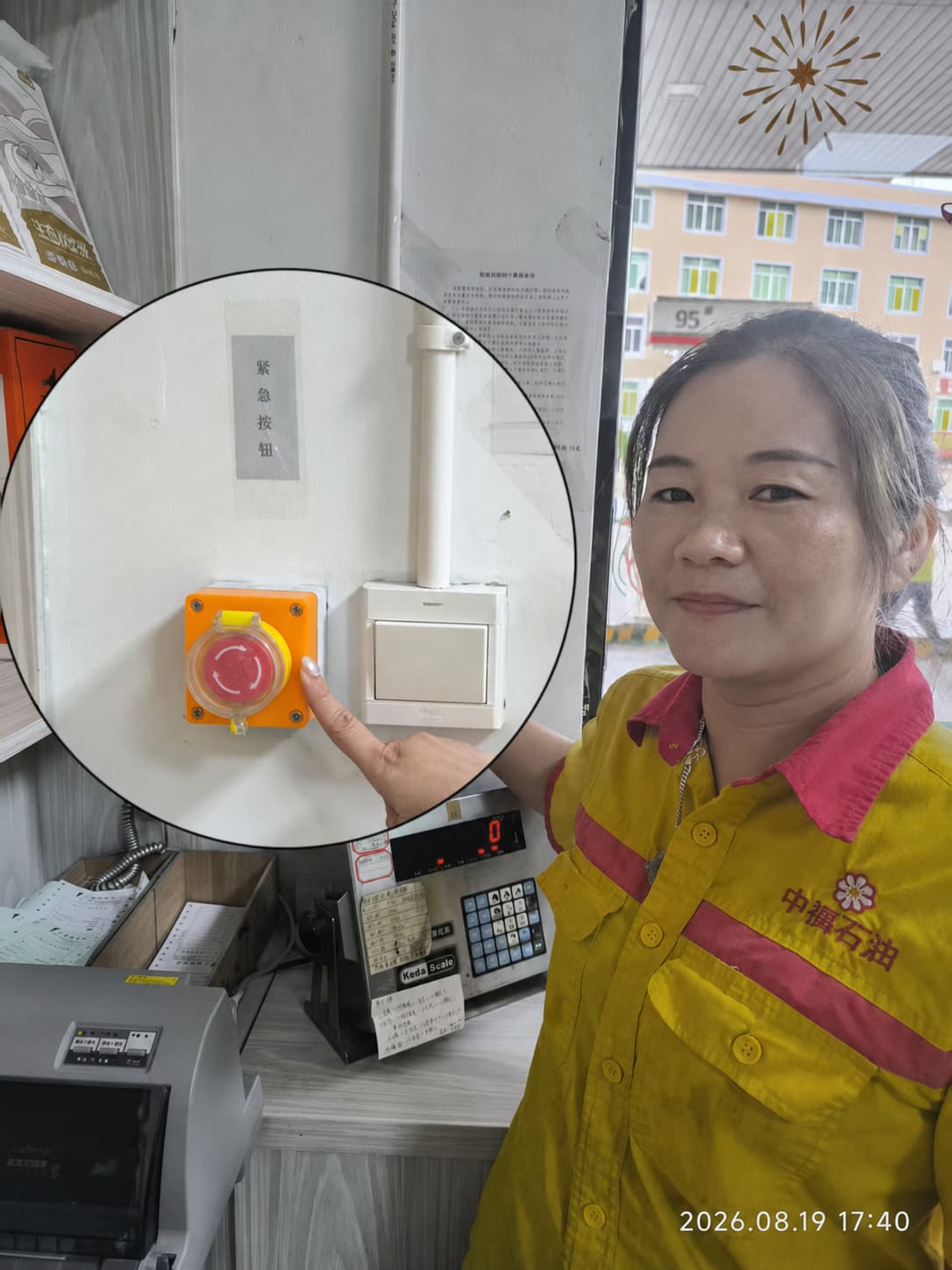
An emergency shutoff switch should be installed in a location that can be easily reached by personnel working at the gas station while remaining relatively safe during an emergency.
The operator should not need to enter the hazardous area to activate the emergency shutdown.
Location 2: Attended Station Area
An emergency shutoff switch should also be provided in an attended location such as:
- Control room
- Duty room
- Station building
- Cashier area
This allows personnel to activate the emergency shutdown from a safer indoor location.
5. What Does the Emergency Shutoff System Need to Stop?
The emergency shutdown system should not simply turn off a single button or one piece of equipment.
According to GB 50156-2021, the power supply of process equipment and emergency shutoff valves on process pipelines should be capable of being operated by a manually activated remote shutdown system.
For a typical fuel station, the shutdown sequence may involve:
Emergency Stop
↓
Fuel Dispenser Power Disconnected
↓
Submersible oil Pump Stopped
↓
Emergency Shutoff Valve Closed
↓
Fuel Transfer Stopped
The exact equipment controlled by the system should be determined according to the station design, equipment configuration and applicable local regulations.
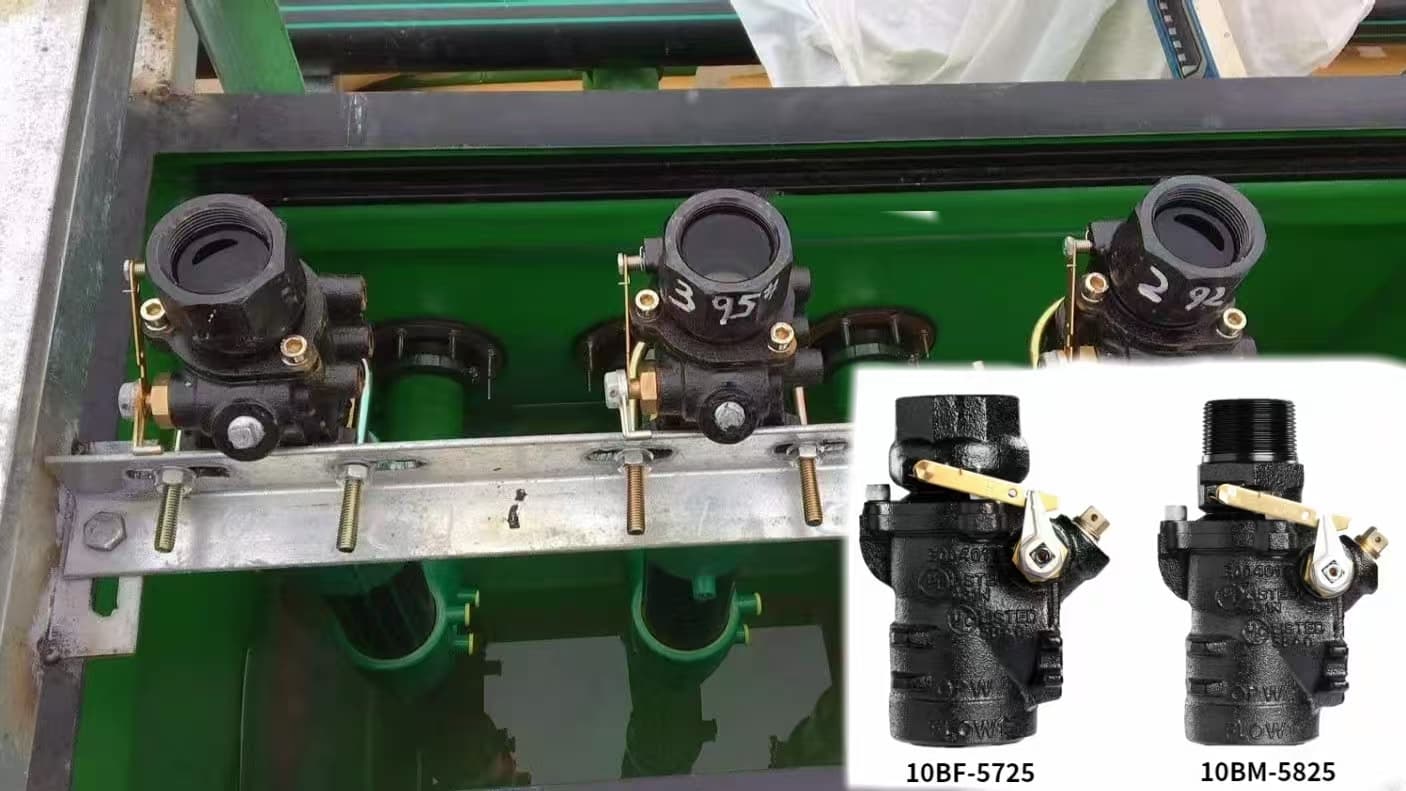
6. Emergency Shutoff Valve
An emergency shutoff valve is another important part of the system.
Its function is to stop fuel flow through the relevant process pipeline when the emergency shutdown system is activated.
The emergency shutoff valve should be integrated with the emergency control system rather than operating as an isolated manual valve.
A properly designed system should allow the emergency signal to initiate the required shutdown actions without requiring personnel to approach the fuel-handling equipment.
7. Emergency Shutoff vs. Normal Power Switch
An emergency shutoff system is not the same as a normal electrical switch.
Normal Power Switch
Used for:
- Routine operation
- Maintenance
- Equipment start/stop
- Daily management
Emergency Shutoff
Used for:
- Fire
- Fuel leakage
- Major equipment failure
- Vehicle impact
- Other emergency conditions
The emergency shutoff system is designed specifically for rapid intervention during abnormal conditions.
8. Manual Reset Is Required
One important requirement is often overlooked:
The emergency shutoff system should only be reset manually.
GB 50156-2021 Section 13.5.4 specifies that the emergency shutoff system shall only be manually reset.
This means the system should not automatically return to normal operation after an emergency shutdown.
A typical sequence is:
Emergency → Shutdown → Inspection → Fault Confirmation → Manual Reset → Restart
This prevents equipment from automatically restarting before personnel have confirmed that the site is safe.
9. International Reference: NFPA Requirements
For projects outside China, local regulations must be checked separately.
As an international reference, NFPA 30A provisions for motor fuel dispensing facilities require clearly identified emergency shutoff devices or electrical disconnects. Relevant provisions specify a location not less than 6 m (20 ft) and not more than 30 m (100 ft) from the fuel dispensing devices they serve.
The International Fire Code also uses the 20–100 ft range for exterior fuel dispensers and requires the emergency disconnect to be readily accessible and clearly identified.
However, these distances should not be treated as a universal requirement for every country. Project design should follow the regulations adopted by the local authority having jurisdiction (AHJ).
10. Common Installation Problems
Several problems can reduce the effectiveness of an emergency shutoff system.
1. Poor Button Location
If the emergency button is installed too close to a potential fire or fuel spill area, personnel may not be able to reach it safely.
2. Only One Emergency Shutoff Location
Providing only one shutdown point may make emergency operation difficult if that location becomes inaccessible.
3. Pump Power Is Not Properly Integrated
The emergency signal should be connected to the equipment that needs to stop. Simply installing a physical emergency button does not guarantee that the fuel transfer system will actually shut down.
4. Emergency Valve Is Not Connected
If an emergency shutoff valve is required by the system design, it should be properly integrated with the remote shutdown system.
5. Automatic Reset
Automatic restart after an emergency shutdown creates an unnecessary safety risk. GB 50156-2021 requires manual reset.
11. Emergency Shutoff System Inspection Checklist
Before putting a gas station into operation, engineers can use the following checklist:
| Item | Check |
|---|---|
| Emergency shutoff system installed | ✓ |
| Emergency buttons clearly identified | ✓ |
| Safe accessible location provided | ✓ |
| Attended location provided | ✓ |
| Remote pump shutdown tested | ✓ |
| Emergency valve operation tested | ✓ |
| Fuel dispenser shutdown tested | ✓ |
| Manual reset verified | ✓ |
| Emergency circuit properly connected | ✓ |
| System function tested under simulated emergency conditions | ✓ |
The exact inspection requirements should be confirmed against the applicable national and local codes.
12. Final Takeaway
A reliable gas station emergency shutoff system should achieve four basic objectives:
1. Easy to access
Personnel must be able to activate the system quickly.
2. Safe to operate
The emergency button should be located where personnel can operate it without entering the hazardous area.
3. Effective shutdown
The system should stop the relevant fuel-handling equipment and close the required emergency shutoff valves.
4. Manual recovery
The system should require manual confirmation and reset before normal operation resumes.
For gas station projects, emergency shutdown should be considered together with the fuel dispensers, submersible pumps, underground fuel piping, storage tanks and electrical control system, rather than designed as an independent component.
Need Help Planning Your Gas Station Safety System?
Choosing emergency shut-off equipment requires consideration of the fuel dispensers, underground piping, pumps, unloading system and overall station layout.
If you are planning a new gas station or upgrading an existing station, our team can help with equipment selection and technical support.