
How to Choose the Right Exhaust Spark Arrestor for Diesel Trucks & Tankers
News 2026年 9月 22日 81
A wrongly selected exhaust spark arrestor can lead to denied site entry, unexpected downtime, or even fire hazards.
For fleets, tanker operators, mining contractors, and hazardous goods transporters, vehicle access to oil depots, chemical plants, grain facilities, and areas with combustible dust or vapors may depend on the correct exhaust safety equipment. One commonly required device is the exhaust spark arrestor, which is designed to prevent hot carbon particles from leaving the vehicle exhaust.
Many buyers face avoidable problems when selecting a spark arrestor: choosing the wrong diameter, purchasing a low-quality unit that does not meet site requirements, or installing a device that creates excessive exhaust restriction.
This guide explains what an exhaust spark arrestor does, how it works, how to measure the correct size, how quick-release and bolt-on designs differ, and what to consider for maintenance and site inspection.
For more information about our gas station equipment supply chain services, visit our About Us page.
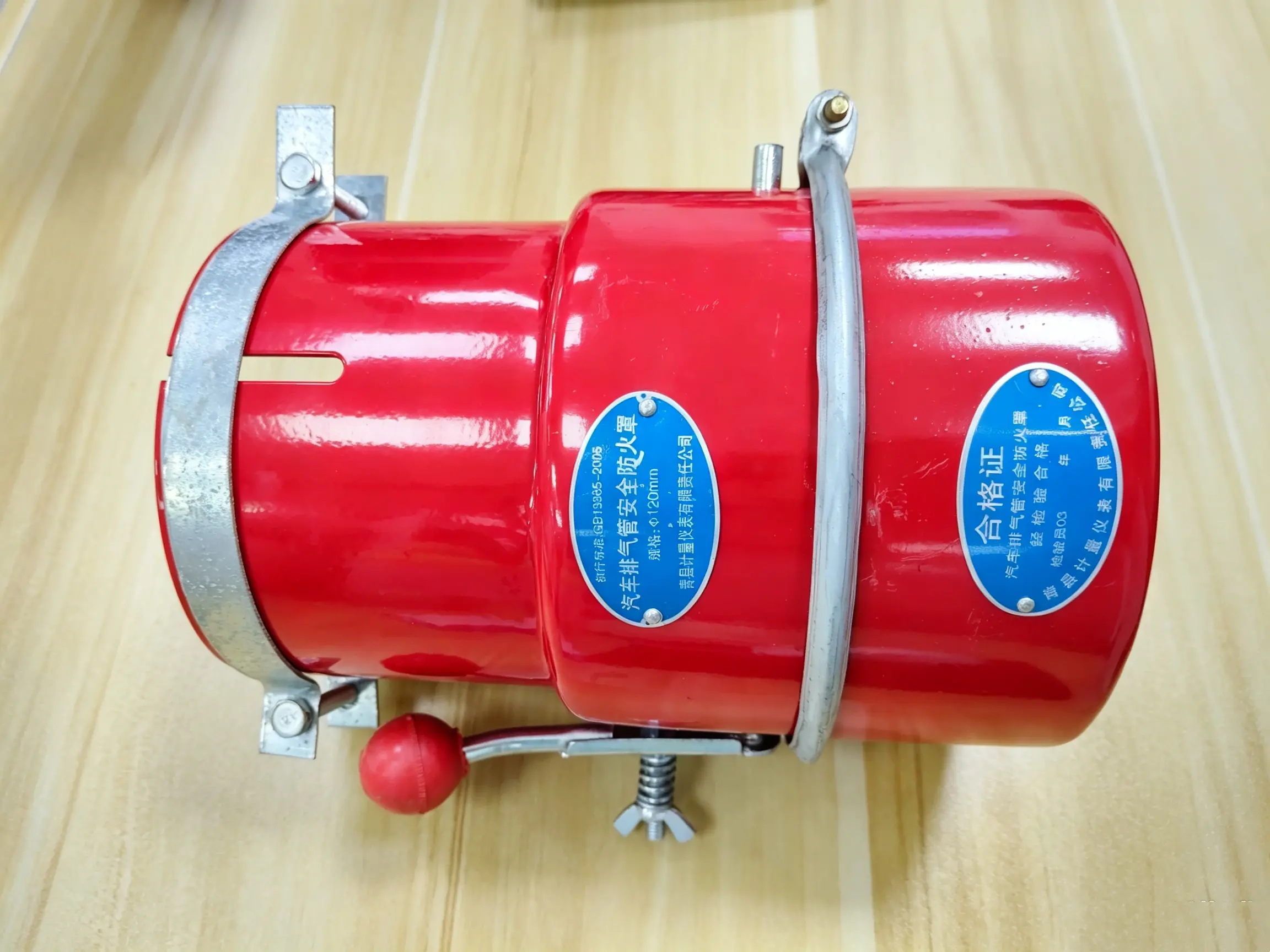
1. What Is an Exhaust Spark Arrestor?
An exhaust spark arrestor, also spelled spark arrester, is a safety device fitted to the tailpipe of a diesel engine.
Its main function is to capture and cool glowing carbon particles or hot embers that may be carried out through the exhaust. Depending on the design, the device may use multi-layer metal mesh, internal baffles, or a labyrinth structure to reduce the chance of hot particles escaping from the exhaust outlet.
Important Clarification
A spark arrestor is designed to suppress or extinguish hot particles. It should not be treated as a device for generally lowering exhaust gas temperature or making a hot exhaust system safe to touch.
The exhaust pipe and arrestor housing can still reach high temperatures during engine operation. They must therefore be kept away from combustible materials and handled with appropriate precautions.
This distinction is important when selecting an exhaust spark arrestor for trucks, tankers, mining equipment, and other diesel-powered vehicles.
2. Who May Need a Truck Spark Arrestor?
The need for a spark arrestor depends on local regulations, vehicle requirements, and the safety rules of the facility being entered.
Typical applications include:
- Fuel and oil tanker trucks
- Chemical hazardous material transport trucks
- Heavy mining dump trucks
- Diesel forklifts operating in chemical plants or grain facilities
- Construction machinery entering areas with combustible dust or vapors
For fleet operators and industrial vehicle users, the spark arrestor may form part of the safety requirements for entering specific industrial sites.
3. Exhaust Spark Arrestor Working Principle
There are two common design approaches for vehicle exhaust spark arrestors.
3.1 Mesh Type Spark Arrestor
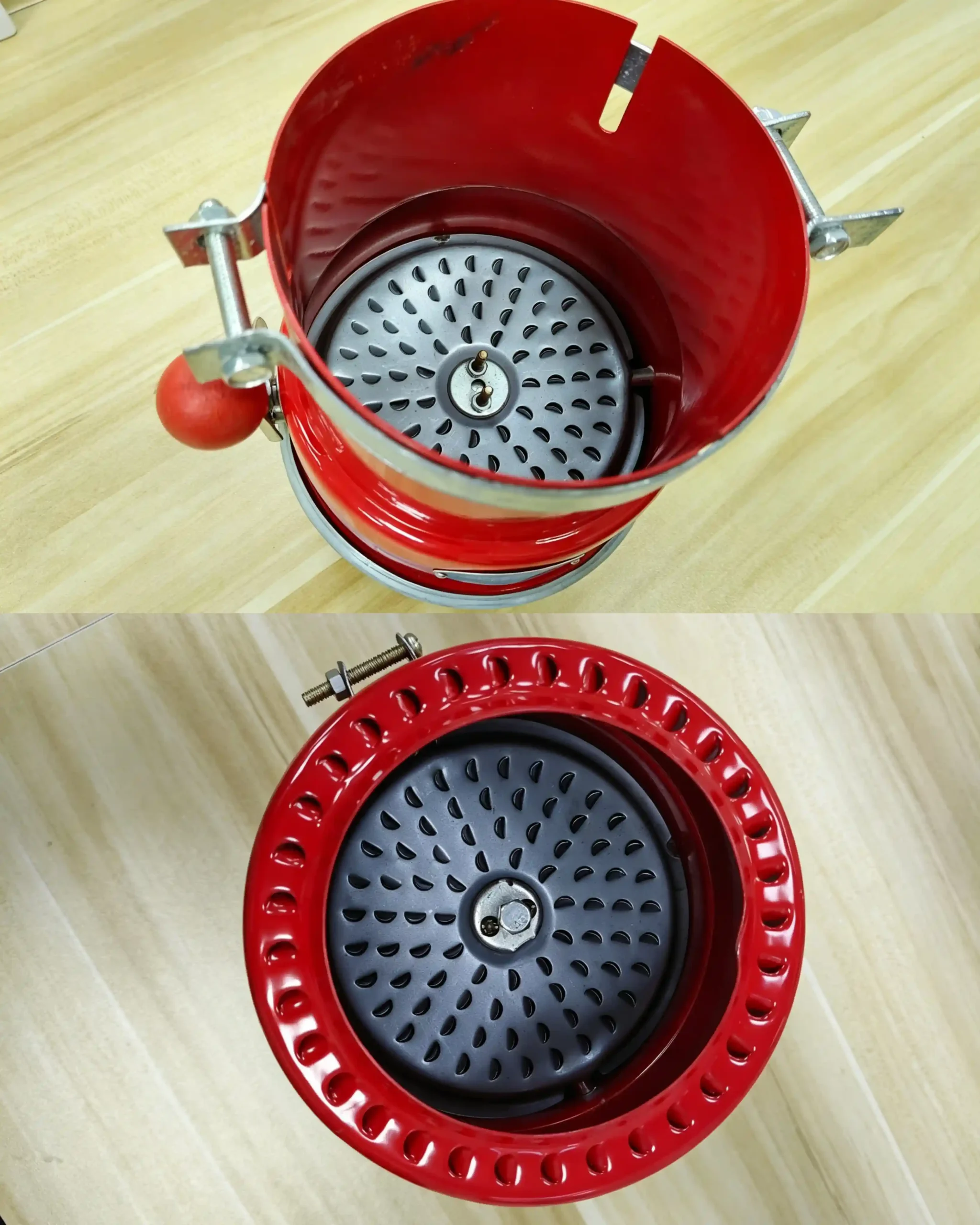
A mesh-type spark arrestor uses metal mesh inside the housing to intercept hot carbon particles.
When hot particles contact the metal mesh, heat is transferred into the metal structure. This helps cool the particles and reduce the possibility of glowing embers passing through the exhaust outlet.
Our quick-release design uses a lever and spring clamp, allowing the unit to be installed or removed without tools. This can be useful for vehicles that frequently enter and leave restricted industrial areas.
3.2 Labyrinth / Baffle Type Spark Arrestor
A labyrinth or baffle-type design uses internal structures to change the direction of exhaust flow.
Larger and heavier hot particles can collide with internal surfaces and lose heat before reaching the outlet. The internal flow path is designed to provide spark suppression while maintaining suitable exhaust flow for the application.
This type of design can be suitable for heavy-duty engines requiring a more permanent installation.
4. How to Measure & Select the Correct Spark Arrestor Size
Correct sizing is one of the most important parts of selecting an exhaust spark arrestor.
An incorrectly sized unit may be difficult to install, may not provide the intended sealing or spark-suppression performance, or may create unnecessary exhaust restriction.
Step 1: Measure the Outer Diameter (OD), NOT the Inner Diameter
Always measure the outer diameter of the exhaust tailpipe.
Do not measure only the inside opening of the exhaust pipe.
If you do not have a diameter measuring tool, you can wrap a measuring tape around the exhaust outlet to obtain the circumference and then calculate the approximate outer diameter.
Step 2: Standard Size Chart (mm & Inch Conversion)
The following size range is commonly used for different vehicle applications:
| Millimeter (mm) | Inch (in) | Common Application |
|---|---|---|
| 60mm | 2.36” | Small diesel trucks, forklifts |
| 80mm | 3.15” | Medium light-duty trucks |
| 100mm | 3.94” | Medium heavy trucks |
| 120mm | 4.72” | Tanker trucks (our best-selling quick release model) |
| 150mm | 5.91” | Large mining heavy-duty trucks |
These application examples are provided as a sizing reference. The actual model should always be confirmed according to the vehicle’s exhaust pipe dimensions, installation method, and operating requirements.
Sizing Rules
- If the exhaust pipe OD is slightly smaller than the arrestor opening, an appropriate sealing gasket or suitable mounting solution may be required to prevent gaps.
- Do not force an undersized spark arrestor onto a larger exhaust pipe. An incorrectly sized device can restrict exhaust flow and increase backpressure.
- Before ordering, confirm the exhaust pipe OD and the required mounting method with the supplier.
If you are unsure about the required size, contact us with your exhaust pipe dimensions and application details.
5. Quick Release vs Bolt-On Spark Arrestor
When sourcing an exhaust spark arrestor for fleet or wholesale applications, the mounting method is another important consideration.
Quick Release Spark Arrestor
- Tool-free installation and removal
- Spring lever clamp for fast operation
- Convenient for vehicles that repeatedly enter oil depots and chemical plants
- Easy to remove when the vehicle leaves a restricted site
A quick-release design can be particularly useful when the same vehicle regularly moves between normal road operation and sites with additional safety requirements.
Bolt-On Spark Arrestor
- Fixed installation with bolts
- More time-consuming to mount and detach
- Suitable for permanent or long-term installation
- Can be used on mining machinery and other heavy-duty equipment where frequent removal is not required
The appropriate mounting style depends on how the vehicle is used and whether the spark arrestor needs to be removed regularly.
6. Will a Spark Arrestor Cause Backpressure or Damage a Diesel Engine?
Backpressure is an important technical consideration when selecting an exhaust spark arrestor.
A properly selected and maintained spark arrestor should keep exhaust restriction within an acceptable range for the engine and application. However, the allowable exhaust backpressure varies by engine and manufacturer.
Excessive exhaust restriction can occur when:
- The spark arrestor is too small for the exhaust system.
- Carbon deposits accumulate and significantly block the mesh or internal passage.
- The arrestor is damaged or incorrectly installed.
For this reason, buyers should consider both the exhaust pipe size and the engine manufacturer’s requirements before selecting a spark arrestor.
Regular inspection and cleaning are especially important for heavy-duty vehicles operating under high loads, long working hours, or dusty conditions.
7. Safety Standards & Site Inspection Requirements
Safety requirements for vehicle exhaust equipment vary by country, industry, and individual site.
During an industrial site inspection, safety personnel may check both the physical condition of the spark arrestor and the documentation provided with the product.
Our spark arrestors are manufactured following GB13365, the Chinese standard for vehicle exhaust spark extinguishing devices. Each unit comes with a certificate of conformity.
If your customers need to meet additional requirements for a specific mining operation, oil depot, chemical plant, or other industrial site, the applicable local or site-specific requirements should be confirmed before ordering.
Customized versions may also be available according to project requirements.
8. Exhaust Spark Arrestor Maintenance & Service Life
A spark arrestor is not a “fit-and-forget” component. Regular inspection and maintenance help maintain effective spark suppression and suitable exhaust flow.
8.1 Clean Carbon Deposits Regularly
Remove the arrestor and clean the mesh or internal components according to the operating environment.
For tanker and heavy-duty vehicles, a 1–3 month inspection and cleaning interval can be used as a practical maintenance reference. Vehicles operating in dusty mining environments may require more frequent inspection.
8.2 Inspect the Stainless Steel Mesh
Check the mesh and housing regularly.
If the mesh is torn, perforated, heavily damaged, or if the housing is cracked or seriously deformed, replace the damaged component or complete unit as appropriate.
A damaged mesh may reduce the intended spark-suppression performance.
8.3 Prevent Corrosion
After cleaning, dry the spark arrestor thoroughly.
When the unit is not in use, store it in a dry environment. Additional corrosion protection may be particularly important in coastal areas or other high-humidity environments.
9. FAQ: Exhaust Spark Arrestor
9.1 What size spark arrestor do I need?
Measure the outer diameter of the exhaust tailpipe and compare it with the available spark arrestor sizes.
You should also confirm the mounting method and available clearance before ordering.
9.2 Does a spark arrestor reduce exhaust temperature?
No. The primary purpose of a spark arrestor is to capture or extinguish hot carbon particles and embers.
The exhaust pipe and arrestor housing can still become very hot during operation and should be kept away from combustible materials.
9.3 What is the difference between a spark arrestor and a flame arrester?
A spark arrestor is commonly used on vehicle exhaust systems to reduce the release of hot carbon particles or embers.
A flame arrester is generally used in stationary piping or process systems to prevent or control flame propagation.
Although the names can sometimes be confused, they serve different applications and should not be selected interchangeably.
9.4 How often should I clean an exhaust spark arrestor?
For tanker trucks and heavy-duty vehicles, inspect and clean carbon deposits every 1–3 months as a practical maintenance reference.
Vehicles operating in dusty mining environments may require more frequent inspection and cleaning.
Always adjust the maintenance interval according to actual operating conditions and the manufacturer’s recommendations.
9.5 Can a quick-release spark arrestor pass a site safety inspection?
A quick-release design can be used for applications where removable exhaust safety equipment is accepted by the site.
However, whether a particular spark arrestor passes an official inspection depends on the requirements of the relevant authority, facility, vehicle, and project.
Our quick-release models are manufactured following GB13365 requirements and are supplied with conformity documentation.
9.6 What information do I need to order an exhaust spark arrestor?
To select the correct model, provide:
- Exhaust pipe outer diameter
- Vehicle or engine type
- Installation method
- Operating environment
- Required spark arrestor size
- Any local or site-specific safety requirements
For wholesale orders, providing the expected quantity and required sizes can also help the supplier recommend a suitable configuration.
10. Conclusion
Choosing the right exhaust spark arrestor is an important part of vehicle safety equipment selection for tankers, mining trucks, forklifts, and other diesel-powered industrial vehicles.
The key factors are not only the nominal size. Buyers should also consider the exhaust pipe outer diameter, mounting method, exhaust flow requirements, operating environment, maintenance needs, and applicable site or regulatory requirements.
Whether you are purchasing for your own fleet or sourcing spark arrestors for wholesale distribution, confirming these details before ordering can help avoid installation problems, unnecessary exhaust restriction, and delays during site inspection.
We can provide different sizes, quick-release configurations, samples, customized marking, and conformity documentation for B2B and project requirements.
Contact our team to discuss your required size, application, and wholesale quantity.