
Has Your Fuel Station Switched to B50 Yet?
News 2026年 11月 2日 21
A B50 fuel compatibility certificate does not guarantee that your entire underground fuel system is ready for long-term operation.
Rubber seals, hoses, valves, pipelines and storage tanks all need attention when a station switches to B50. For Indonesian fuel station owners, the challenge is not simply accepting the new fuel blend, but ensuring that existing equipment can operate reliably.
B50 fuel compatibility involves more than the fuel dispenser. Operators should check rubber components, underground tanks, filters and storage conditions. Biodiesel may loosen old deposits in tanks and pipelines, increasing filter maintenance requirements after the transition. This guide covers the main risks and practical inspection points.
1. Why B50 Fuel Compatibility Matters
Indonesia introduced its B50 biodiesel mandate on July 1, 2026. The transition makes equipment compatibility an important consideration for fuel station operators.
However, meeting a fuel specification does not automatically mean that every component in an existing station is suitable for long-term B50 use.
Many stations have equipment installed years ago. Seals, hoses and valves may have been designed for conventional diesel, and their current condition may vary.
Operators should therefore review the complete fuel handling system rather than focusing only on the dispenser.
Official references:
2. Rubber Seals, Hoses and Valves
Rubber components are among the first items worth checking.
Biodiesel blends may affect different elastomers and metals differently. Actual compatibility depends on the material grade, fuel quality, temperature and exposure time.
Pay attention to:
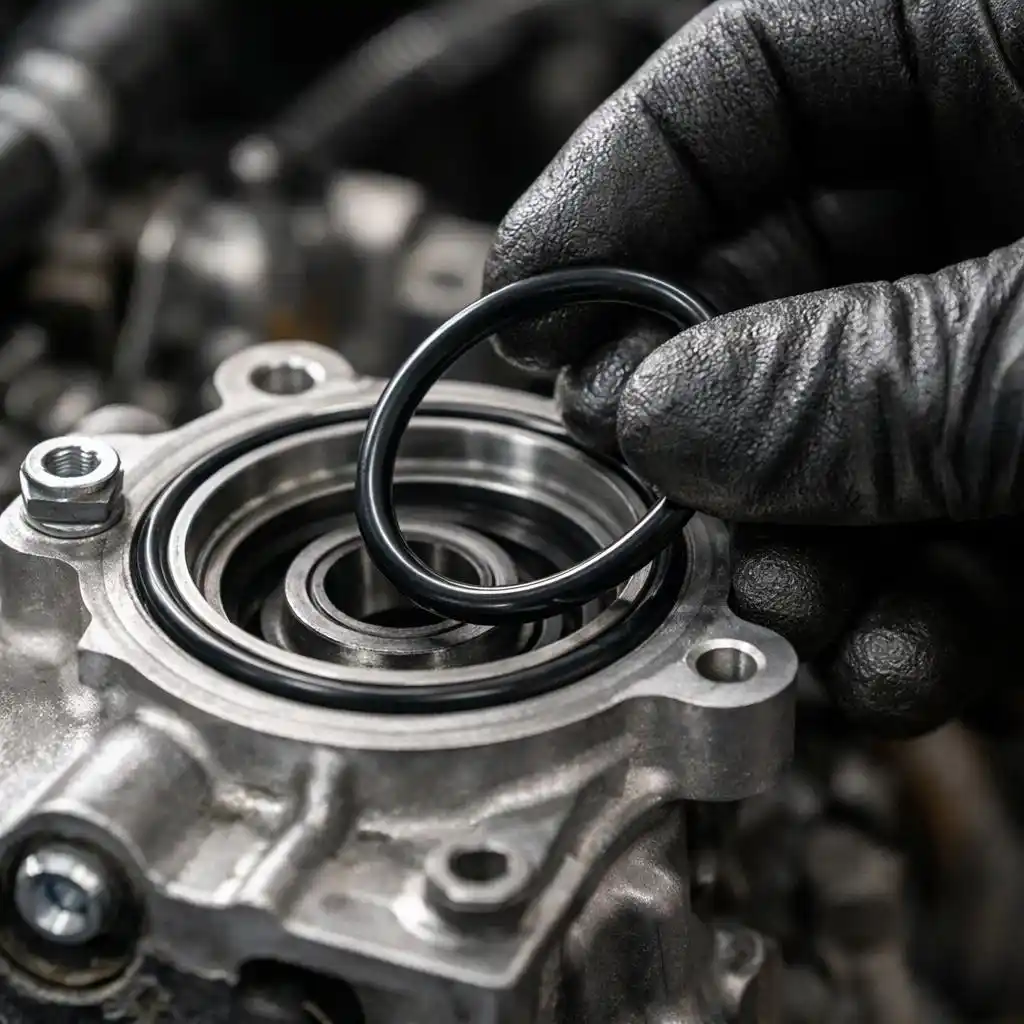
- Rubber seals and O-rings: Check for swelling, hardening and cracks.
- Flexible hoses: Inspect for deformation, surface damage and leakage.
- Valves and gaskets: Check sealing performance and internal condition.
- Metal fittings: Confirm material compatibility with the manufacturer.
Do not assume that all NBR components will fail or that FKM and PTFE are automatically suitable. The exact material specification and manufacturer’s confirmation matter more than the material name alone.
If compatibility information is unavailable, ask the manufacturer for written confirmation before deciding whether to continue using or replace the component.
3. B50’s Cleaning Effect and Filter Blockage
Biodiesel can have a cleaning effect on existing fuel systems. It may loosen deposits that have accumulated inside older storage tanks and pipelines.
After switching to B50, these deposits may enter the fuel system and increase the risk of filter blockage.
The first two to three months are a sensible period for closer monitoring, particularly at stations with older tanks or a history of poor tank maintenance.
Operators should:
- Inspect tank bottoms for water and sediment.
- Check filters more frequently during the transition.
- Keep suitable replacement filters available.
- Investigate repeated blockages instead of simply replacing filters.
If deposits continue moving through the system, other components may also be exposed to unnecessary wear. The actual risk depends on the condition of the tank and fuel system.
For technical background, see Natural Resources Canada – Biodiesel.
4. B50 Fuel Storage: Water Management Matters
Biodiesel components can absorb more water than conventional petroleum diesel. Water accumulation inside a storage tank may contribute to microbial growth, fuel degradation, corrosion and filter problems.
This deserves attention in Indonesia’s warm and humid climate.
There is no single storage period that applies to every B50 tank. Storage conditions, fuel quality, temperature and turnover rate all matter.
Fuel station operators should focus on three basic practices:
- Check regularly for water at the tank bottom.
- Keep tanks, fill points and access covers properly sealed.
- Monitor fuel quality and avoid unnecessary long-term storage.
A clean tank and proper water management help maintain fuel quality.
For further guidance, refer to the NREL Biodiesel Handling and Use Guide.
5. Can an ATG System Help?
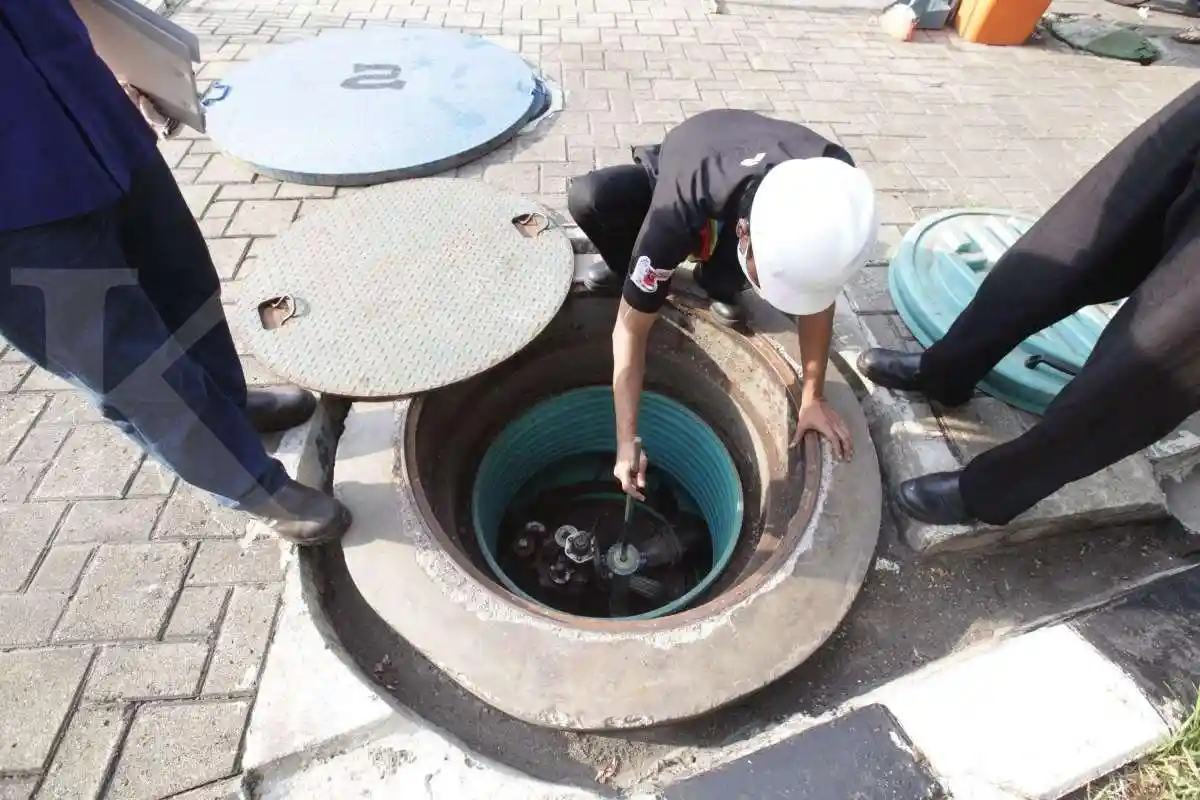
An Automatic Tank Gauging (ATG) system helps operators monitor underground fuel inventory and, when equipped with a suitable probe, water levels at the bottom of the tank.
For B50 storage management, an ATG system can help operators:
- Monitor fuel inventory.
- Identify unusual stock variations.
- Monitor water levels where supported.
- Set alarms for abnormal conditions.
However, ATG cannot directly measure fuel oxidation, identify microbial contamination or determine the amount of sludge inside a tank. Physical inspection and fuel quality checks are still necessary.
If you are reviewing your station for B50 operation, consider checking the ATG system, storage tanks, valves and pipelines together.
Read our guide to Automatic Tank Gauging Systems.
6. Should You Replace Existing Equipment?
Not every station needs to replace its entire fuel system when switching to B50. The decision should depend on equipment condition and manufacturer compatibility information.
| Existing condition | Recommended action |
|---|---|
| Compatibility confirmed, components in good condition | Continue routine inspection |
| Material compatibility unclear | Contact the manufacturer |
| Seals or hoses cracked or leaking | Arrange suitable replacements |
| Filters repeatedly blocked | Inspect fuel quality and tank deposits |
| Water or sludge frequently found | Arrange tank inspection and cleaning |
The priority is to identify actual risks rather than replace equipment based on assumptions.
If you are planning to upgrade or replace your fuel station equipment for B50 operation, explore our fuel station equipment range to find suitable equipment for your project.
7. B50 Fuel Compatibility Checklist
Before or after switching to B50, check these five areas:
- Inspect seals, hoses, valves and pipeline connections.
- Check underground tanks for water and sediment.
- Monitor filter condition and replacement frequency.
- Confirm component compatibility with manufacturers.
- Review ATG water monitoring and inventory alarms.
Frequently Asked Questions
Q1: If my fuel station has operated with B50 for several months without leakage, does that mean the equipment is fully compatible?
Not necessarily. The absence of visible problems does not prove long-term compatibility. Operators should continue inspecting fuel-contact components, particularly underground connections, seals, hoses and valves.
Q2: Do I need to replace all the rubber seals in my fuel dispensers?
Not automatically. First identify the existing material grades and obtain compatibility information from the equipment manufacturer. Replace components that are unsuitable, deteriorated or cannot be verified for the intended operating conditions.
Q3: Can my existing ATG system be used for B50 storage management?
In many cases, yes, but its functions should be reviewed. Check whether the system supports water-level detection and suitable alarms. Remember that ATG cannot replace fuel-quality testing or physical tank inspection.
Q4: Should I clean my underground storage tank before introducing B50?
Tank inspection is strongly recommended, particularly for older tanks with a history of sediment accumulation. If inspection identifies significant deposits or contamination, appropriate cleaning should be arranged before the fuel transition.
Conclusion
Conclusion
B50 changes the requirements for fuel storage and equipment maintenance. Indonesian station owners should pay particular attention to seals, filters, underground tanks and water management.
A proper inspection can help identify weak points before they become costly problems.
At Xingzhongyuan (Quanzhou) Energy Co., Ltd., we help international clients coordinate fuel station equipment and component sourcing. If you are planning a B50-related equipment review or upgrade, contact our team.