
Fuel Dispenser Calibration in Nigeria: Testing, Accuracy & Maintenance Guide
News 2026年 11月 4日 34
Fuel dispenser accuracy has become an important issue for filling station operators in Nigeria. Inaccurate fuel measurements can affect customer trust, business revenue and regulatory compliance.
In September 2026, the Nigerian Midstream and Downstream Petroleum Regulatory Authority (NMDPRA) directed retail outlet operators nationwide to immediately calibrate and verify their fuel dispensers and totalisers following reports of under-dispensing.
The issue received further attention in October when the regulator sealed two filling stations in Port Harcourt, Rivers State, following inspections that identified under-dispensing problems.
For petrol station owners, these developments highlight the importance of regular fuel dispenser inspection, accurate measurement and proper equipment maintenance.
But what exactly is fuel dispenser calibration, how can operators identify measurement problems, and what should they check before a regulatory inspection?
This guide explains the essential points for Nigerian filling station operators.
1. What Is Fuel Dispenser Calibration?
Fuel dispenser calibration is the process of checking and adjusting a dispensing system to ensure that the actual quantity of fuel delivered matches the volume displayed on the meter.
A fuel dispenser uses a measuring mechanism to calculate the amount of petrol or diesel delivered during each transaction.
Over time, mechanical wear, component damage, maintenance problems and incorrect adjustments may affect measurement accuracy.
For example, if a customer pays for 20 litres of petrol but the dispenser delivers a different quantity, the equipment may require further inspection and verification.
Proper calibration helps ensure that fuel dispensers provide accurate measurements and operate within applicable regulatory requirements.
It is important to distinguish calibration from routine maintenance. Maintenance keeps equipment in good operating condition, while calibration and verification focus specifically on measurement accuracy.
2. Why Fuel Dispenser Accuracy Matters in Nigeria
Fuel dispenser accuracy affects more than the quantity of fuel delivered to customers. It also influences station profitability, daily inventory records and regulatory compliance.
There are three important reasons why operators should pay attention to fuel dispenser accuracy.
Customer Trust
Customers expect to receive the quantity of fuel displayed on the dispenser. Inaccurate measurements can damage a station’s reputation and reduce customer confidence.
Business Revenue and Inventory Control
Measurement errors can create differences between recorded sales and actual fuel inventory.
Under-dispensing and over-dispensing can both affect business operations, although their financial consequences are different.
Regulatory Compliance
NMDPRA has emphasized the need for accurate fuel dispensing measurements.
In its September 2026 directive, the authority instructed retail outlet operators to immediately calibrate and verify their dispensers and totalisers. Persistent or serious violations may attract regulatory sanctions, including licence revocation in accordance with applicable regulations.
Station owners should therefore maintain accurate equipment inspection, verification and maintenance records.
3. Common Causes of Fuel Dispenser Measurement Problems
A fuel dispenser consists of several mechanical, electrical and measurement components. Problems with any relevant component may affect its performance.
Common causes include:
Worn Metering Components
The measuring mechanism is responsible for calculating the volume of fuel delivered.
Wear, internal damage or poor maintenance may affect its measurement performance over time.
Regular inspection and replacement of worn fuel dispenser spare parts can help maintain stable measurement performance and reduce equipment problems.
Incorrect Calibration Settings
Improper adjustments or incorrect calibration parameters may cause differences between displayed and actual fuel quantities.
Only qualified personnel should carry out calibration adjustments using appropriate procedures and equipment.
Faulty Electronic Components
Electronic measurement systems rely on components such as pulser devices, control boards and display units.
Electrical faults, damaged connections or signal problems may affect the accuracy of recorded dispensing information.
Poor Equipment Maintenance
Irregular inspections and delayed replacement of worn components can increase the risk of equipment malfunction.
Routine maintenance helps identify potential problems before they become more serious.
Unstable Operating Conditions
Power supply problems, unsuitable operating conditions and other equipment-related issues may affect dispenser performance.
Operators should investigate unusual readings rather than assuming that every measurement difference is caused by calibration errors.
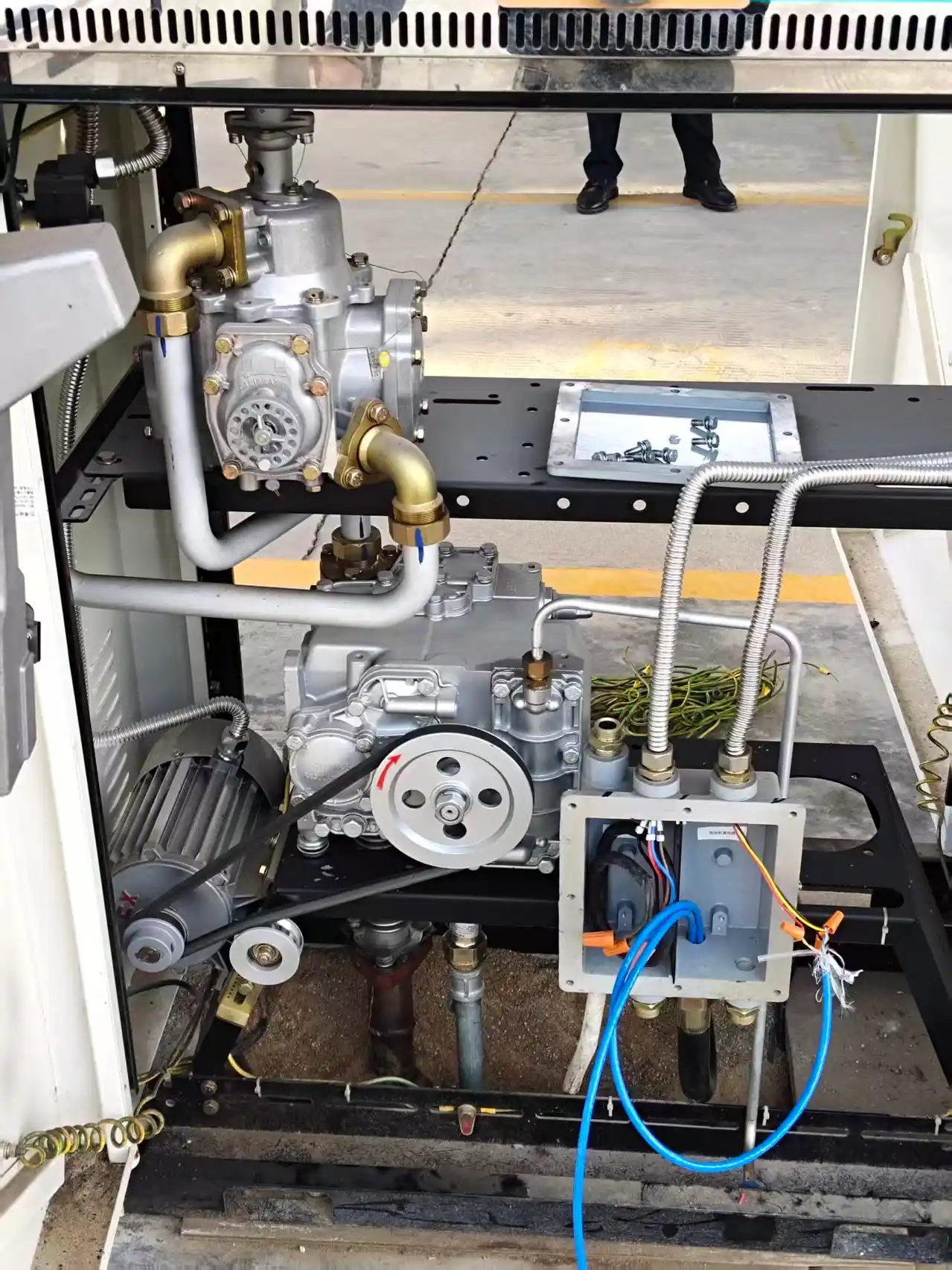
4. How to Check Fuel Dispenser Accuracy
Regular accuracy checks help station managers identify possible measurement problems.
A typical verification process should be carried out by competent personnel using an approved and properly calibrated volumetric proving measure.
The general process includes:
Step 1: Inspect the Fuel Dispenser
Check the dispenser housing, display, nozzle, hose, meter and visible connections for signs of damage or abnormal operation.
For new projects, selecting suitable fuel dispensers with reliable measurement performance is also important.
Step 2: Prepare an Approved Measuring Container
Use an appropriate certified volumetric proving measure suitable for the dispenser and the applicable verification requirements.
Ordinary containers or unverified measuring cans should not be used as substitutes for approved measuring equipment.
Step 3: Conduct a Controlled Dispensing Test
A qualified technician carries out a controlled dispensing test following the applicable testing procedure.
The actual delivered volume is compared with the dispenser’s displayed reading.
Step 4: Record the Results
Document the test conditions, measured volume, displayed volume and any identified discrepancies.
Step 5: Arrange Corrective Action
If the equipment does not meet the applicable measurement requirements, stop using the affected dispenser where necessary and arrange inspection, adjustment and re-verification by qualified personnel.
The permitted measurement tolerance and verification procedure should follow the applicable Nigerian requirements. Operators should not assume a universal tolerance without checking the relevant standard.
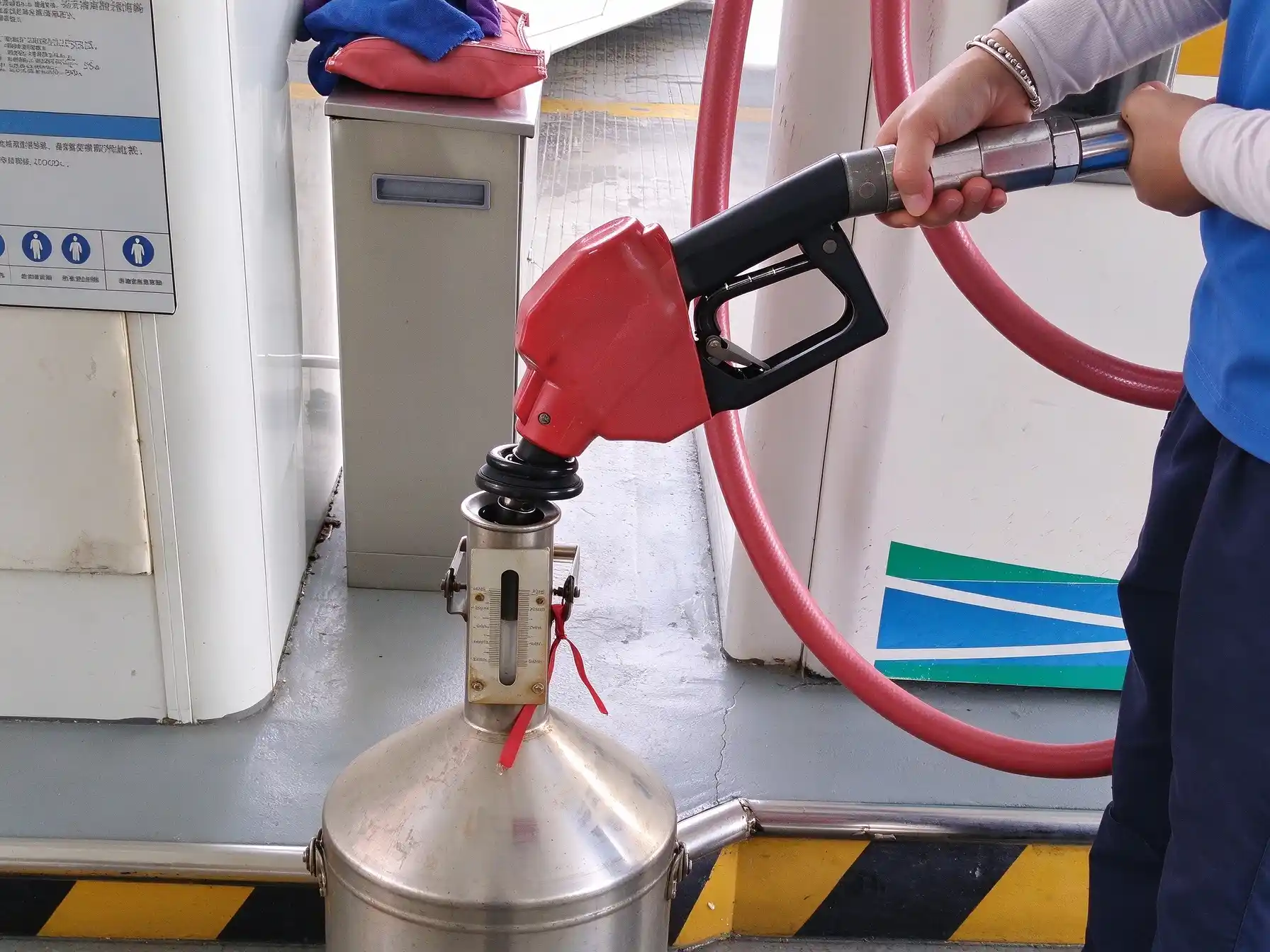
5. NMDPRA Fuel Dispenser Inspection: What Should Station Owners Prepare?
The recent NMDPRA enforcement activities show that dispensing accuracy is an important part of retail fuel station compliance.
During the September 2026 announcement, NMDPRA instructed retail operators to verify their dispensing equipment and totalisers.
In October, inspections in Port Harcourt also examined the quantity and quality of petroleum products and the safety of retail operations.
Station owners should prepare for equipment inspections by maintaining:
- Fuel dispenser calibration and verification records.
- Equipment maintenance and repair records.
- Relevant inspection documents.
- Accurate dispenser totaliser readings.
- Records of equipment replacement and adjustments.
- Evidence of corrective action when measurement problems are identified.
A totaliser records the cumulative volume dispensed by a fuel dispenser. Comparing totaliser readings with sales records can help managers identify unusual discrepancies.
However, totaliser checks alone cannot establish whether a dispenser is accurately measuring fuel. Physical verification using suitable measuring equipment is also important.
Operators should consult NMDPRA or appropriately qualified local service providers regarding current inspection and verification requirements.
6. Fuel Dispenser Maintenance Checklist
Calibration is not a replacement for regular equipment maintenance.
Station managers should establish a routine inspection schedule covering the main operating components.
| Component | What to Check |
|---|---|
| Flow meter | Measurement performance and abnormal operation |
| Nozzle | Leakage, damage and automatic shut-off function |
| Fuel hose | Cracks, wear and leakage |
| Filter | Condition and fuel flow restriction |
| Pulser | Signal stability and connection condition |
| Display | Correct readings and visible faults |
| Electrical system | Connections and power supply |
| Totaliser | Recorded cumulative dispensing volume |
Maintenance frequency should depend on equipment condition, operating hours, manufacturer recommendations and applicable regulatory requirements.
Keeping a maintenance log also helps operators identify recurring faults and plan replacement parts before unexpected breakdowns occur. For example, a reduction in dispensing speed may indicate a problem. Read our guide on fuel dispenser slow flow to learn about possible causes and solutions.
7. When Should a Fuel Dispenser Be Calibrated?
There is no reason to wait until customers complain before checking dispenser accuracy.
Operators should arrange professional inspection and verification in situations such as:
- Following installation of a new fuel dispenser.
- After replacing or repairing important metering components.
- When unexplained differences appear between delivered fuel and recorded sales.
- When customers report possible measurement inaccuracies.
- When a dispenser has been exposed to unusual operating conditions.
- When required by applicable regulatory inspection schedules.
- When verification results indicate that corrective action is necessary.
Nigerian station owners should also pay attention to current NMDPRA directives and maintain appropriate verification records.
A consistent inspection routine is more reliable than waiting for serious equipment problems to occur.
8. Choosing the Right Fuel Dispenser for Your Filling Station
For new filling station projects, selecting suitable dispensing equipment is an important part of long-term operational planning.
Before purchasing a fuel dispenser, operators and project contractors should consider:
Measurement Performance: Check the equipment’s stated accuracy, repeatability and applicable certification or verification requirements.
Fuel Flow Rate: Select a suitable dispensing capacity according to the station’s expected traffic and operating requirements.
Power Supply: Confirm whether the equipment is designed for the available electrical supply, such as AC 220V or AC 380V, according to the specific model.
Operating Environment: Consider local temperature, humidity, installation conditions and maintenance availability.
Spare Parts and Technical Support: Ensure that important components can be sourced and that suitable maintenance support is available.
Choosing equipment based only on its purchase price may create additional maintenance and operating costs later.
For international fuel station projects, equipment compatibility, documentation and after-sales support should all be considered during procurement.
Frequently Asked Questions
What is fuel dispenser calibration?
Fuel dispenser calibration is the process of checking and adjusting a dispensing system to ensure that the actual fuel delivered corresponds to the displayed measurement within applicable requirements.
How often should a fuel dispenser be calibrated in Nigeria?
The required verification frequency should follow current Nigerian regulatory requirements and applicable standards. Additional checks may be necessary after repairs, component replacement or suspected measurement problems.
What causes a fuel dispenser to deliver inaccurate quantities?
Common causes include worn metering components, incorrect calibration settings, electronic faults, poor maintenance and other mechanical or operating problems.
What is a fuel dispenser totaliser?
A totaliser is a counter that records the cumulative volume of fuel dispensed by a pump. It helps operators monitor sales volumes and compare dispensing records with inventory information.
Can an inaccurate fuel dispenser affect station profitability?
Yes. Measurement errors can create inventory discrepancies and financial losses. Accurate dispensing and regular equipment verification help operators maintain better control over fuel sales.
What should filling station owners do before an NMDPRA inspection?
Operators should inspect their dispensing equipment, arrange necessary verification, maintain calibration and maintenance records, and correct any identified measurement problems.
Final Thoughts
Fuel dispenser calibration is an essential part of maintaining accurate fuel measurements and reliable filling station operations.
Recent NMDPRA enforcement activities in Nigeria have highlighted the importance of equipment verification, proper maintenance and regulatory compliance.
For station owners, regular inspections and timely maintenance can help prevent measurement problems, improve customer confidence and reduce unnecessary operating risks.
For new projects, selecting reliable fuel dispensers and ensuring access to compatible spare parts are equally important.
Looking for fuel dispensers, spare parts or equipment sourcing support for your filling station project?
Xingzhongyuan (Quanzhou) Energy Co., Ltd. provides fuel station equipment supply chain services, helping international clients coordinate equipment sourcing for fuel station projects.
Visit our Contact Us page to discuss your equipment requirements.