
OIML, ATEX, UL, CE — Which Certifications Do You Need for Fuel Dispensers?
News 2026年 10月 28日 31
Fuel dispenser certifications are essential to check before sourcing fuel dispensers for new gas stations, retrofits, or dealership projects. Buyers will often encounter four certification terms: OIML, ATEX, UL, and CE.
They are not interchangeable. Each certificate solves a different compliance problem: metering accuracy, explosion-proof safety, North American electrical safety, EU market access.
This guide is written for independent fuel retail investors and station builders in Nigeria, Indonesia, Philippines, Kenya, Ghana and Vietnam. We clarify what each certification means, which markets require it, and the minimum compliance checklist before you place an order.
Note: This is general market guidance. Local regulators (NMDPRA in Nigeria, BSN in Indonesia, DTI in Philippines) may add extra country-specific approvals on top of these international certificates.
Fuel Dispenser Certifications: Quick Comparison Table
| Certification | Core Purpose | Mandatory Scope | What it proves |
|---|---|---|---|
| OIML (R117) | Metering / Legal metrology for trade | Nigeria, Indonesia, Kenya, Ghana, most African & SEA markets | The dispenser measures fuel volume accurately, legally acceptable for commercial billing |
| ATEX | Explosion-proof for hazardous zone | EU, many African / SEA inspectors accept ATEX as Ex proof evidence | Electrical parts are safe in petrol vapor explosive atmosphere |
| CE | EU market access mark | European Economic Area (EU/EEA) | The product meets EU directives (ATEX + EMC + metrology/MID) |
| UL | North American hazardous location & electrical safety | USA, Canada | Explosion-proof & electrical safety compliant with NEC standards |
1. OIML R117 — The #1 certificate for selling fuel
OIML stands for International Organization of Legal Metrology. For fuel dispensers, the key standard is OIML R117 (Dynamic measuring systems for liquids other than water).
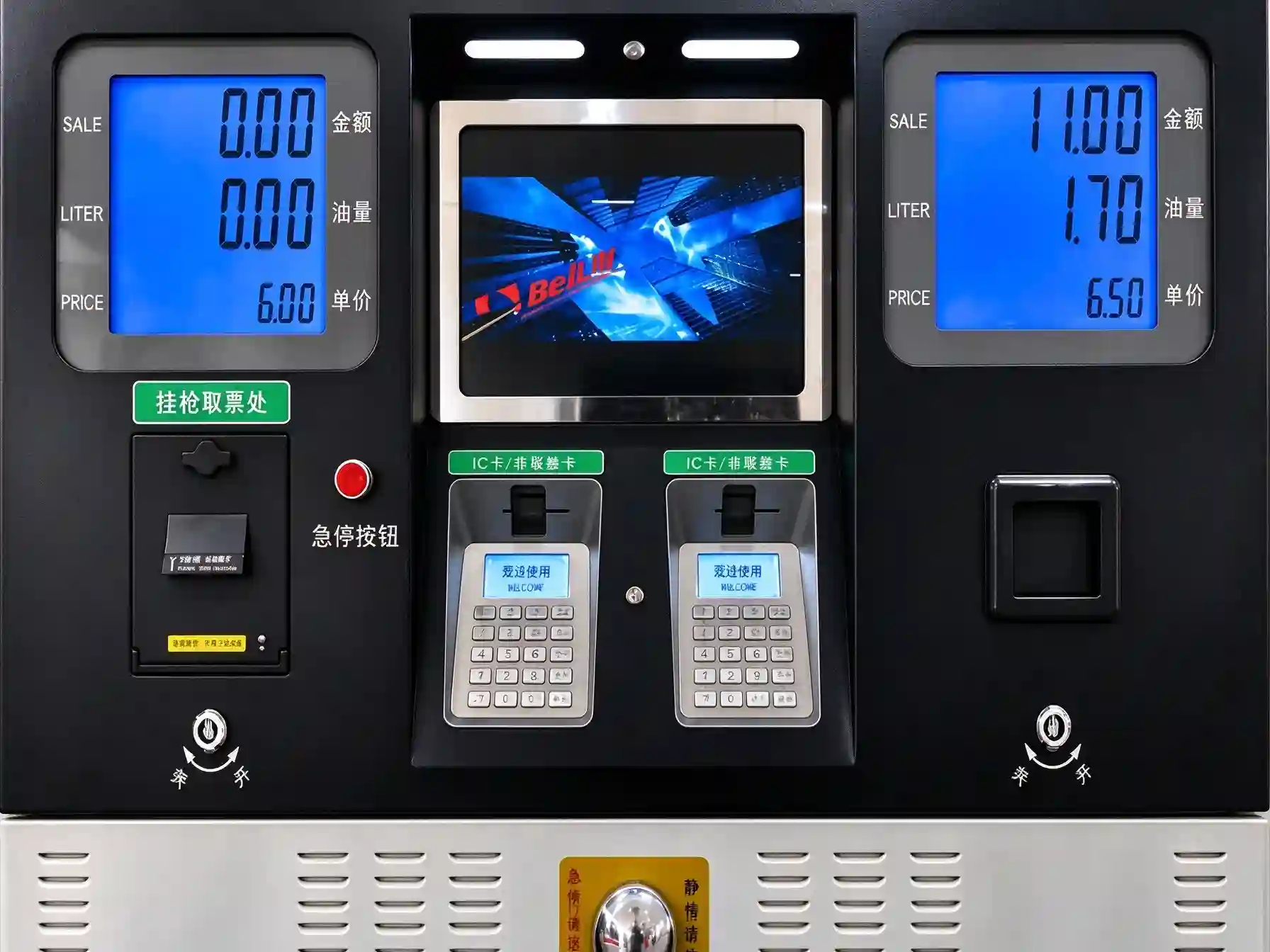
This is the trade settlement certificate. When you sell petrol/diesel to customers, the meter reading is the basis of charging money. Regulators check OIML to confirm the dispenser will not cheat customers: no over-measurement, no under-measurement, stable accuracy over long running hours.
Where OIML is required
✅ Nigeria (NMDPRA strongly requires OIML R117 for all new dispensers)
✅ Indonesia, Kenya, Ghana, Tanzania, most West & East Africa
✅ Philippines, Vietnam, many Southeast Asian fuel regulators recognize OIML
✅ It is the most requested document during site inspection and license approval
Important facts
- OIML is about measurement accuracy, NOT explosion protection. An OIML dispenser can still lack explosion-proof certification.
- OIML-CS is the current global mutual recognition system; one OIML certificate can be accepted in dozens of member countries and avoid repeated re-testingOIML.
- If your dispenser has NO valid OIML R117 certificate: even if it looks brand new, the regulator can reject installation and forbid you from opening the station.
2. ATEX — Explosion-proof certificate for hazardous fuel zones
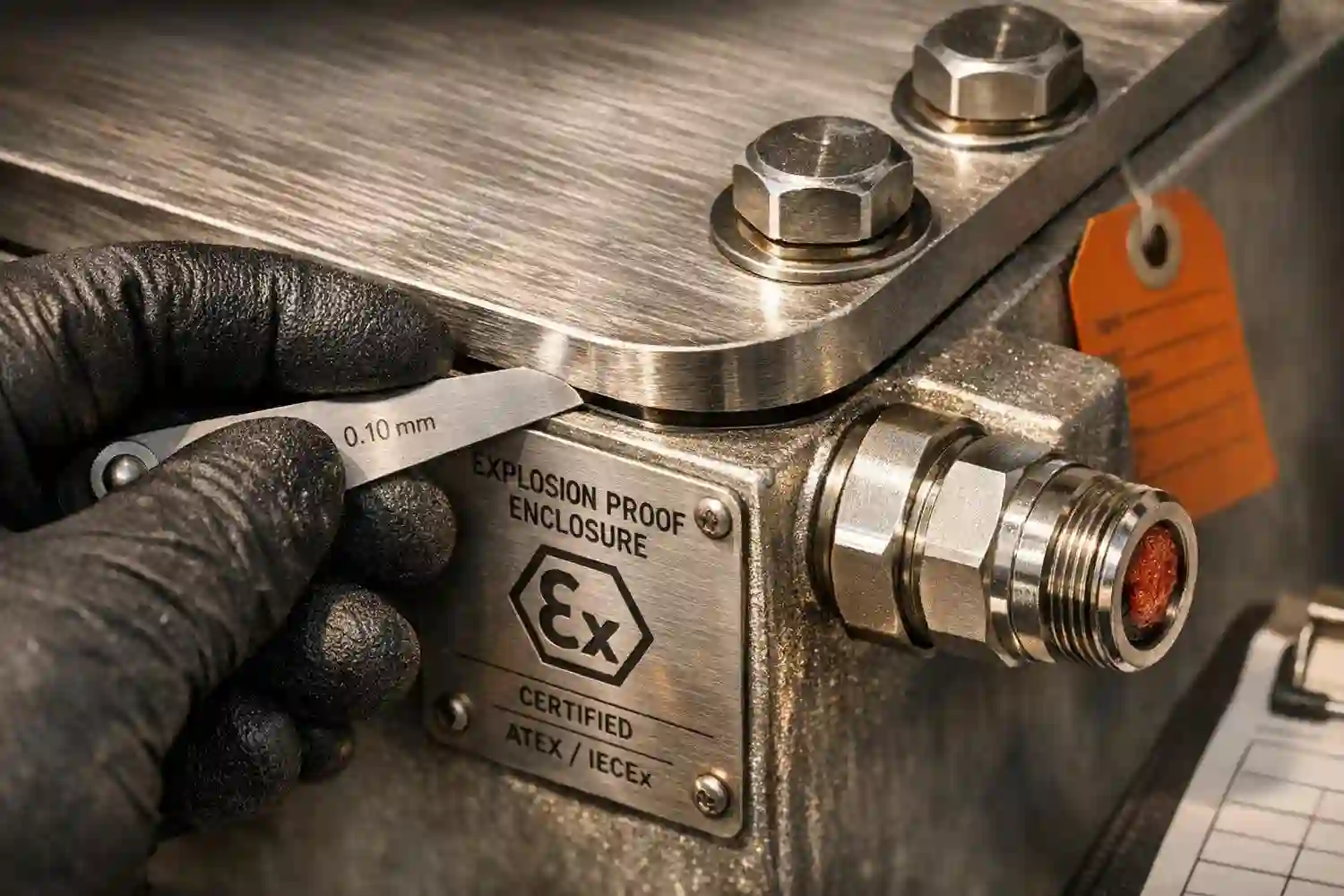
Petrol releases flammable vapor. The area around dispensers is classified as Zone 1 / Zone 2 explosive hazardous area. All electric components (mainboard, display, sensor, pump motor) must be explosion protected.
ATEX is the EU explosive atmosphere directive (2014/34/EU) test certificate, issued by an EU Notified BodyUL Solutio…. It proves: the equipment will not create sparks or hot surfaces that ignite petrol fumes.
Where ATEX applies
✅ Mandatory for EU market
✅ Widely accepted in Nigeria, Ghana, Kenya, Indonesia, Philippines as proof of explosion safety (most local inspectors recognize ATEX / IECEx)
⚠️ ATEX does NOT guarantee metering accuracy. An ATEX dispenser can fail meter accuracy test without OIML.
Side note: IECEx is the international equivalent of ATEX, same technical IEC 60079 standards, more popular in Australia, Middle East and some African countries. Many suppliers offer both ATEX and IECEx together.
3. CE Mark — EU market passport, not a single test certificate
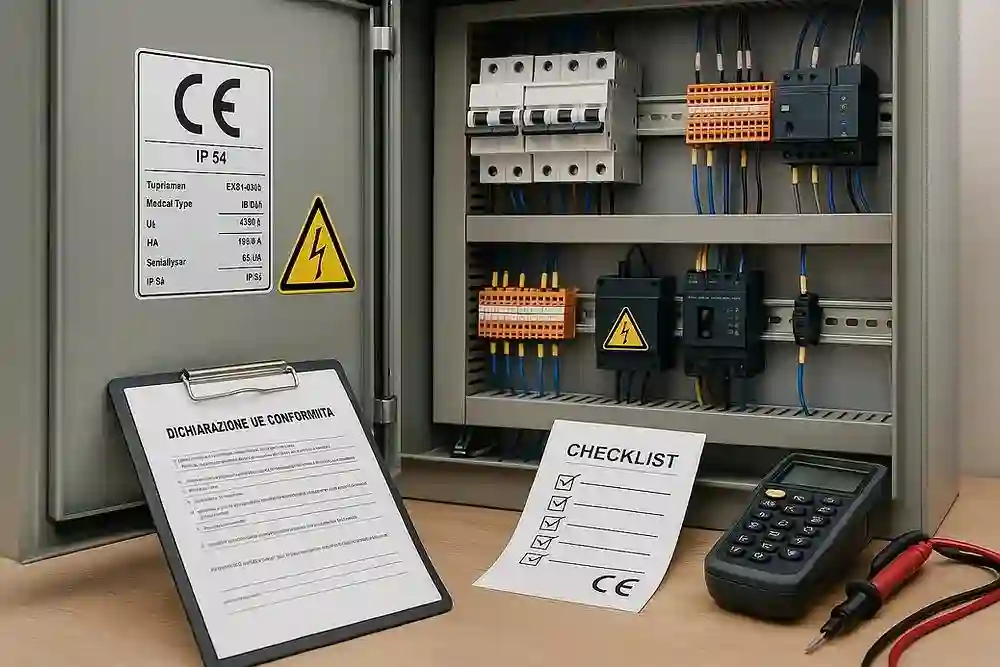
CE is not a standalone safety certificate. CE is a marking to show the product complies with multiple EU directives at the same time:
- ATEX directive (explosion protection)
- EMC electromagnetic compatibility
- MID Measuring Instruments Directive (EU local metrology, alternative to OIML for EU)
If you sell to Germany, France, Spain, you need CE. For Africa / Southeast Asia: CE alone is usually NOT enough. Regulators will still ask separately for OIML and explosion-proof test report (ATEX/IECEx).
Common mistake: Suppliers say “this dispenser has CE so it is okay for Nigeria”. This is false. CE does not replace OIML R117 for African metrology inspection.
4. UL Certification — For USA & Canada only
UL (Underwriters Laboratories) hazardous location certification follows US NEC 500 / 505 codes and UL60079 series explosion-proof standards.
✅ Required for fuel dispensers installed inside United States and Canada gas stations
❌ Almost never required for Nigeria, Indonesia, Philippines, Kenya
❌ UL testing is far more expensive and longer lead time, unnecessary if your target market is Africa or Southeast Asia
If your project is in Africa / SEA, paying extra for UL certification is a waste of budget.
5. Build your certification checklist by target country
Nigeria (Most common for our customers)
✅ Mandatory: OIML R117
✅ Mandatory: ATEX / IECEx explosion certificate
CE is optional, UL not needed. NMDPRA verifies both metrology and explosion safety before station approval.
Indonesia
✅ OIML R117
✅ ATEX / IECEx
Local BSN type approval is also required on top of international certificates.
Philippines
✅ OIML R117
✅ ATEX / IECEx accepted by DTI and Petroleum Board
European Union
✅ CE (ATEX + MID + EMC)
MID replaces OIML for EU domestic trade metrology.
USA / Canada
✅ UL HazLoc explosion certification
✅ US Weights & Measures approval (local metrology, different from OIML)
6. Common traps buyers should avoid
- “It has CE so it is fully certified” CE is a bundle mark. Ask to see the separate ATEX test report and OIML certificate. Many cheap China dispensers only have EMC CE with no explosion or metrology approval.
- OIML certificate is expired or for a different model Always cross-check the certificate model number against the dispenser model you buy. Old OIML certificates cannot be reused for new revised dispenser designs.
- ATEX certificate only covers the pump, not the whole dispenser Some suppliers only certify submersible pump, leaving the dispenser control head uncertified. The whole dispenser unit must carry Ex certification.
- Confuse IECEx with ATEX They use similar technical standards but different legal frameworks. Confirm what your local regulator accepts before purchase.
7. FAQ
Q: Can I use IECEx instead of ATEX for Nigeria?
A: Yes, most NMDPRA inspectors accept IECEx equally as explosion-proof evidence, paired with valid OIML R117.
Q: Do double-wall tanks, ATG systems also need ATEX / IECEx?
A: Any electrical equipment installed inside classified hazardous zone (ATG probe, level sensor, solenoid valve) needs explosion certification. Tank body itself usually does not.
Q: If I only buy dispensers for resale in Nigeria, what two certificates are non-negotiable?
A: OIML R117 + ATEX / IECEx. These two are the core package.
Q: How do I verify certificates are real?
A: Ask supplier for certificate number, issuing body name, official verification link. OIML certificates can be checked on OIML-CS registry; ATEX on EU notified body database.
8. Talk to us for certified fuel dispensers
Our fuel dispensers come with OIML R117 + ATEX / IECEx as standard for Africa and Southeast Asia markets. We can also supply CE version for EU projects, and UL version for North America upon special request.
Send us your requirement:
- Target country
- Quantity and nozzle configuration
- Whether you need ATEX or IECEx
Disclaimer
Certification requirements change by country and local regulatory updates. This article is reference only and not legal compliance advice. Always confirm with your local petroleum regulator before purchasing equipment.