
How Much Does It Cost to Build a Gas Station in 2026? A Country-by-Country Budget Guide
News 2026年 10月 25日 52
How much does it cost to build a gas station in 2026? A small gas station may require an estimated $25,000–$120,000, while a standard independent station may cost $120,000–$600,000. A large branded station with a convenience store, car wash, and additional facilities can exceed $2 million.
The actual cost to build a gas station depends on several factors: land prices, station size, local licensing requirements, underground fuel storage, fuel dispenser configuration, construction costs, and whether the project includes additional facilities.
For investors planning a new station in Africa or Southeast Asia, the key is to calculate the full project budget rather than focusing only on equipment prices.
This guide explains the main gas station construction costs, provides preliminary budget ranges for Nigeria, Kenya, the Philippines, Indonesia, Pakistan, and Vietnam, and outlines practical ways to manage equipment purchasing.
1. What Is Included in the Cost to Build a Gas Station?
Before estimating the total investment, divide the project into individual cost categories.
| Cost item | What it includes | Indicative cost share |
|---|---|---|
| Land | Land purchase or lease | 30%–55% |
| Civil works | Site preparation, concrete paving, foundations, and drainage | 10%–18% |
| Underground fuel tank system | Double-wall tanks, manholes, piping, and leak detection | 8%–15% |
| Fuel dispensing and pumping system | Fuel dispensers, pumps, valves, accessories, and ATG equipment | 7%–14% |
| Electrical and explosion protection | Electrical distribution, grounding, lightning protection, and suitable hazardous-area equipment | 3%–6% |
| Permits and compliance | Licensing, environmental approvals, inspections, and other local requirements | 4%–10% |
| Canopy and signage | Forecourt canopy, signs, road markings, and safety notices | 3%–7% |
| Additional facilities | Convenience store, car wash, office, toilets, and CCTV | 0%–20% |
| Initial fuel inventory | Funds required to purchase the first fuel stock | 5%–12% |
| Other expenses | Design, supervision, freight, installation, training, and contingency funds | 2%–5% |
These percentages are indicative planning ranges, not a standardized cost model. Some categories may overlap, and the percentages should not simply be added together. Actual costs depend on the project’s scope and location.
Land, construction, equipment, permits, and initial working capital should be estimated separately before calculating the total investment.
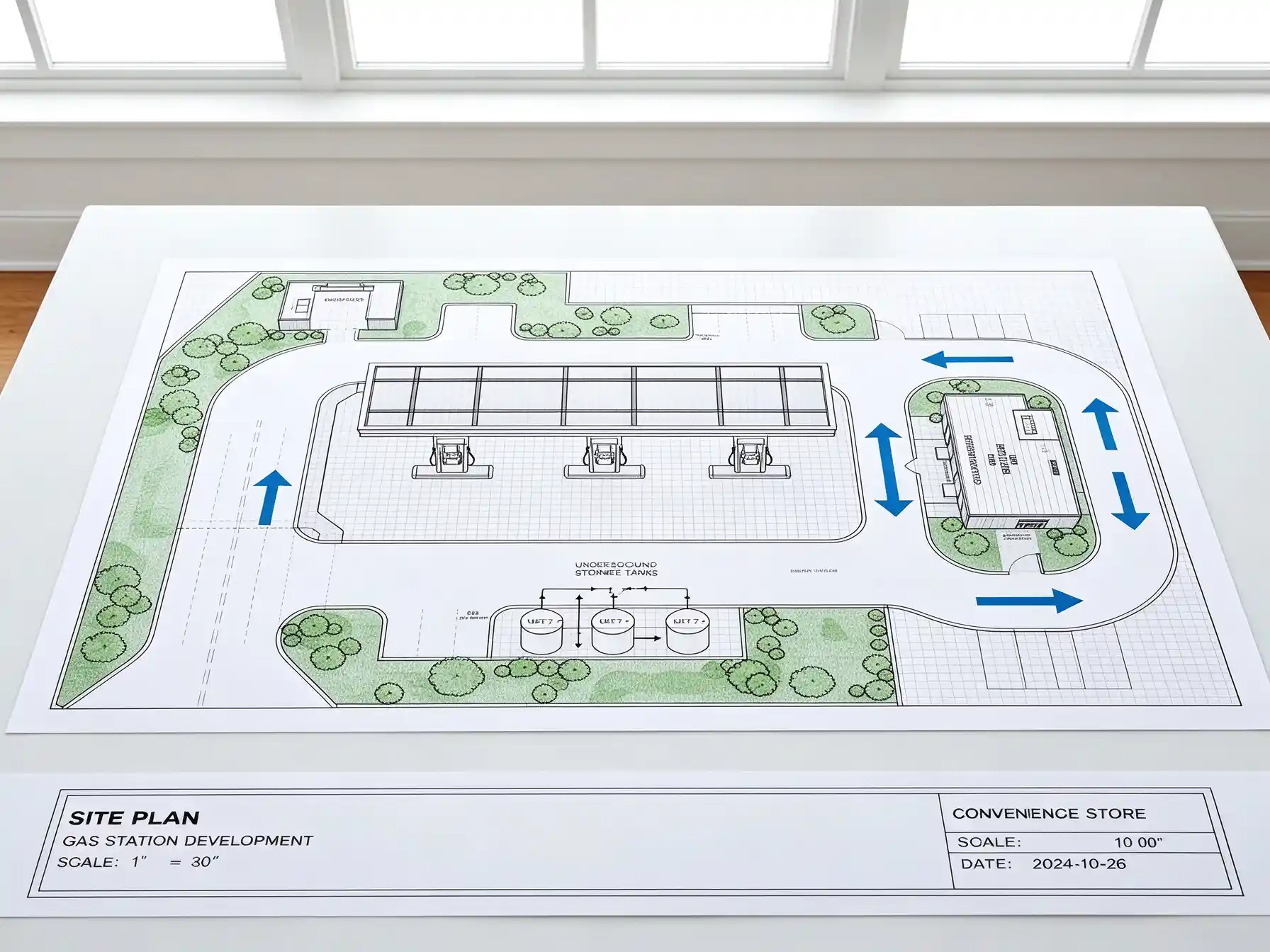
2. Three Budget Levels for Gas Station Construction
The following ranges offer a starting point for understanding the cost to build a gas station at different scales.
Mini Gas Station: $25,000–$120,000
A mini station may suit a rural area, small town, remote industrial site, or location with relatively low traffic.
A typical project concept may include:
- Two to four dispensing positions
- One or two underground fuel tanks
- Basic forecourt infrastructure
- Essential safety and electrical systems
- No large convenience store or car wash
The main advantage is a lower initial investment. However, a small station is not automatically easier to license. Local authorities may impose minimum requirements for site layout, storage capacity, environmental protection, and safety equipment.
Standard Independent Gas Station: $120,000–$600,000
A standard independent station may be suitable for a town, suburban area, or busy local road.
Depending on the design, the project may include:
- Four to eight dispensing positions
- Two to four underground fuel tanks
- Underground piping and associated valves
- An automatic tank gauging system (ATG) for fuel inventory monitoring
- A canopy and basic forecourt facilities
- Lighting, grounding, drainage, and security equipment
For investors who want to source equipment separately, this model allows them to compare suppliers and coordinate procurement with local construction contractors.
The final gas station construction cost will depend heavily on land prices, storage capacity, site conditions, and local approval requirements.
Large Branded or Full-Service Station: $600,000–$2 Million+
A large station on a major road or highway may include:
- Multiple fuel dispensers and storage tanks
- A larger canopy and forecourt
- A convenience store or retail area
- A car wash, rest area, or other services
- Brand-specific signage and design requirements
Working with an established petroleum brand may provide brand recognition and an established operating model. However, investment requirements vary by brand and agreement.
Before signing a franchise or supply agreement, clarify who pays for construction, which equipment must be purchased from nominated suppliers, whether additional fees or deposits apply, and who owns the land and facilities.
3. Cost to Build a Gas Station in Six Target Countries
The following figures are preliminary planning estimates in US dollars, based on the ranges used in this guide. They are not official government construction budgets or verified quotations for specific sites.
Actual costs may differ significantly according to location, land ownership, project scope, equipment specifications, exchange rates, and local regulations.
Nigeria
Nigeria is an important market for independent fuel retail projects. Investors need to account for land, construction, fuel storage, dispensing equipment, and the applicable licensing and approval processes.
Indicative budget ranges:
- Small rural or suburban station: approximately $25,000–$110,000
- Standard station on a town road: approximately $120,000–$550,000
Key budget considerations include:
- Land acquisition and site preparation
- Applicable NMDPRA licensing and regulatory requirements
- Underground tank installation and environmental protection
- Backup power where needed
- Import duties, freight, and local equipment installation
Equipment purchasing tip: Compare locally sourced equipment with direct imports from China. Calculate the complete delivered cost, including certification, freight, duties, installation, spare parts, and warranty, rather than comparing factory prices alone.
Kenya
Indicative budget ranges:
- Small station in a rural or lower-cost area: approximately $30,000–$130,000
- Standard independent station: approximately $150,000–$500,000
Land and construction can account for a large part of the investment. Investors should investigate the current requirements for petroleum retail licensing, environmental approvals, tank installation, and site safety.
If considering a branded station, review the specific agreement’s investment obligations and equipment purchasing requirements. Do not assume all brands use the same model.
Philippines
The Philippines offers different investment routes, including independent operations and branded dealer or franchise arrangements.
Indicative budget ranges:
- Small independent station: approximately $40,000–$150,000
- Branded station: potentially $300,000 or more, depending on the arrangement and project scope
Before choosing a model, clarify the brand’s requirements for land, construction, equipment, fuel supply, signage, and working capital.
For island locations, freight, handling, and delivery to the final site may add to the total gas station construction cost.
Indonesia
Indonesia’s geography makes logistics an important part of project budgeting. A site on Java or Sumatra may have very different delivery costs from a remote island location.
Indicative budget ranges:
- Small station in a lower-cost location: approximately $80,000–$350,000
- Remote island projects: potentially higher, depending on transportation and construction conditions
Before ordering tanks, dispensers, pumps, and piping, confirm the delivery route, unloading arrangements, local installation capabilities, and applicable technical requirements.
Verify the relevant petroleum retail and regulatory requirements for the specific business model and location before making major commitments.
Pakistan
Indicative budget ranges:
- Small suburban station: approximately $35,000–$140,000
- Standard station on a major urban road: approximately $160,000–$480,000
Budget planning should include land, approvals, civil works, fuel storage, electrical infrastructure, and backup power where required.
Where the electricity supply is unreliable, assess the actual power requirements before choosing a generator, voltage stabilizer, or other backup equipment.
Vietnam
Indicative budget ranges:
- Small station in a rural area: approximately $50,000–$160,000
- Standard station on a major road: approximately $180,000–$520,000
Land-use conditions, site planning, and petroleum retail approvals can influence whether a proposed location is suitable for a new station.
Investors should confirm current licensing and planning requirements before purchasing land or committing to equipment orders. Acquiring or renovating an existing station may be another option, but permits, equipment condition, and renovation requirements must be checked carefully.
How to Compare Gas Station Construction Costs Across Countries
These ranges are useful for early planning, but they should not be treated as a precise country ranking. A small project that excludes land, initial fuel stock, and some construction work cannot be compared directly with a turnkey project that includes those items.
For a meaningful comparison, use the same assumptions for every country:
- Is the land purchased, leased, or already owned?
- How many dispensing positions and fuel grades are planned?
- How many tanks are required, and what is their capacity?
- Are civil works and installation included?
- Are permits, taxes, import duties, and freight included?
- Is initial fuel inventory included?
4. How to Reduce the Cost to Build a Gas Station
Reducing the initial investment does not mean choosing the cheapest equipment regardless of quality. A better approach is to identify where costs can be controlled without creating safety, compliance, or maintenance problems.
1. Compare Local Equipment with Direct Imports from China
Fuel dispensers, submersible pumps, tank accessories, ATG systems, valves, and related components may be sourced through local distributors or overseas suppliers.
When comparing offers, check:
- Equipment models and technical specifications
- Applicable certification and supporting documents
- Compatibility with local electrical and hazardous-area requirements
- Warranty terms and availability of spare parts
- Shipping, customs clearance, installation, and after-sales support
Do not assume that two products are equivalent simply because they look similar or have comparable flow rates. Confirm that the equipment meets the requirements of your particular project and jurisdiction.
As a fuel station equipment supply-chain service provider, Xingzhongyuan helps overseas buyers explore equipment sourcing options for different project requirements.
2. Build in Phases
If the site design and local regulations permit future expansion, consider starting with the facilities needed for initial operations.
A convenience store, car wash, or additional retail area may be deferred where appropriate. However, essential safety systems, compliant storage, drainage, electrical protection, and required permits should be included from the beginning.
3. Choose the Right Underground Fuel Tank System
Underground tank selection should consider capacity, fuel type, corrosion protection, leak detection, installation conditions, and local regulations.
Steel, fiberglass, and steel-inner/fiberglass-outer composite tanks have different characteristics. Review our guide to choosing underground fuel storage tanks to understand the main differences between common tank options.
Compare the complete installed system rather than choosing solely on the initial tank price.
4. Evaluate Leasing Instead of Buying Land
Leasing can reduce the upfront investment, but it introduces long-term rental obligations and potential renewal risks.
Before proceeding, review the lease term, permitted use, renewal conditions, access rights, and responsibility for environmental liabilities. Confirm that the proposed site can legally be used for a fuel station.
5. Select Fuel Dispensers According to Expected Demand
A station does not necessarily need the largest available dispenser configuration. Choose the number of dispensing positions, nozzles, flow rates, and fuel grades according to expected traffic and operating requirements.
Allow for future expansion in the site layout and infrastructure where practical. This can help avoid unnecessary upfront spending without restricting later growth.
Never cut costs by skipping required explosion protection, grounding, leak detection, or environmental safeguards. Any savings should be evaluated against the potential cost of equipment failure, regulatory action, downtime, or environmental damage.
5. Five Common Budget Mistakes First-Time Investors Make
Mistake 1: Budgeting Only for Dispensers and Construction
Licensing, inspections, design, freight, customs, installation, and initial fuel stock may be overlooked. Obtain a full project cost breakdown before committing funds.
Mistake 2: Ignoring Delivery and Installation Costs
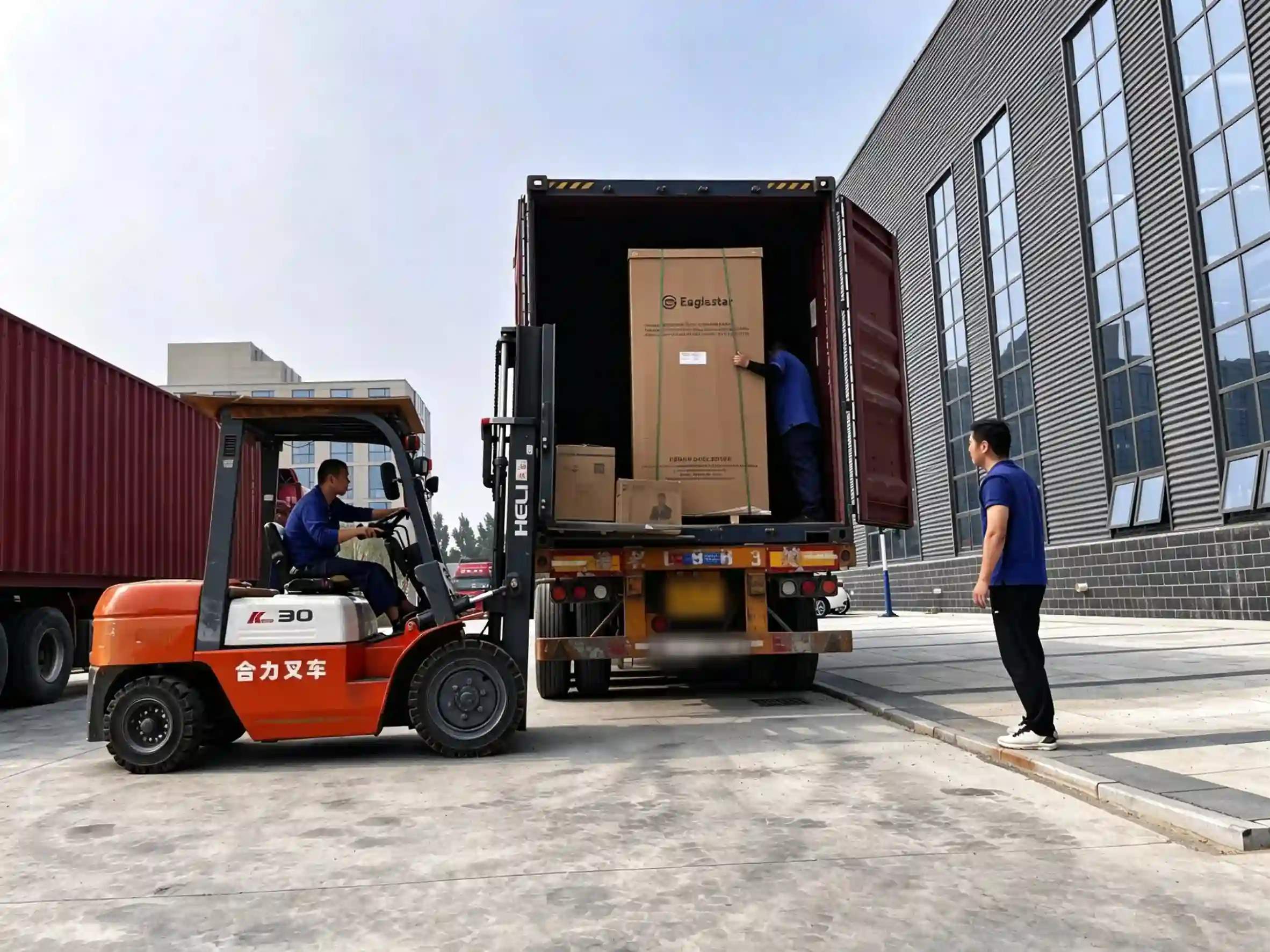
A supplier’s factory price may exclude freight, unloading, local transportation, electrical connections, testing, and commissioning.
Ask suppliers to clarify what is included in the quotation and which costs must be arranged locally.
Mistake 3: Having No Contingency Budget
Construction delays, exchange-rate changes, material price movements, and unexpected site conditions can increase costs. Keep a contingency allowance appropriate to the project’s risks.
Mistake 4: Signing a Brand Agreement Without Understanding the Full Obligations
Check equipment purchasing rules, design standards, supply agreements, fees, and ongoing commitments before making a decision.
Mistake 5: Treating Tank Monitoring as an Optional Afterthought
Determine early whether an automatic tank gauging system, leak detection, inventory monitoring, or other systems are required by local regulations or the project design.
Retrofitting later may involve additional installation work and downtime.
6. Frequently Asked Questions About Gas Station Construction Costs
Q1: How long does it take to recover the investment in a gas station?
There is no universal payback period. It depends on fuel sales volume, actual margins, land and construction costs, operating expenses, financing, competition, and other revenue streams.
Prepare a financial model using conservative, expected, and optimistic sales scenarios before investing. Do not rely on a generic payback estimate as a guarantee.
Q2: Can I purchase only the fuel dispensers and source tanks and piping locally?
Yes, depending on your project requirements. Equipment can often be purchased separately, provided that the selected components are compatible and meet local technical and regulatory requirements.
A supply-chain service provider may help coordinate fuel dispensers, submersible pumps, ATG systems, valves, and related equipment from different manufacturers.
Q3: Is licensing or equipment procurement usually the harder part?
The answer depends on the country and the project. Licensing, land-use approval, environmental review, and construction authorization can involve substantial time and coordination.
Equipment procurement can also be challenging when specifications, certificates, shipping, or local installation are not planned properly. Investigate the approval process before placing major equipment orders.
Q4: Can I use second-hand fuel dispensers or underground tanks?
Possibly, but only if the equipment is legally acceptable, technically suitable, and passes the required inspections.
Older equipment may have worn components, uncertain service history, outdated controls, or compatibility problems. For underground tanks in particular, inspect their condition, integrity, corrosion protection, and documentation. Verify local requirements before considering reuse.
Q5: What shipping terms can be used when importing fuel station equipment from China?
Depending on the supplier and shipment, terms may include FOB or CIF. DDP may also be possible when the supplier can legally arrange the relevant import and delivery obligations.
Confirm the named delivery location, responsibility for customs clearance and duties, and the exact services included. Do not assume every supplier can offer every term in every country.
Certification documents depend on the product and destination. Request the actual documents for the selected model and verify their applicability with the relevant authorities or qualified professionals.
7. Get an Equipment Budget for Your Gas Station Project
Planning a gas station involves more than choosing a fuel dispenser. You need a compatible equipment package, a clear understanding of delivery costs, and a purchasing plan that fits the project’s location and operating requirements.
Xingzhongyuan (Quanzhou) Energy Co., Ltd. provides fuel station equipment supply-chain support for overseas projects, including:
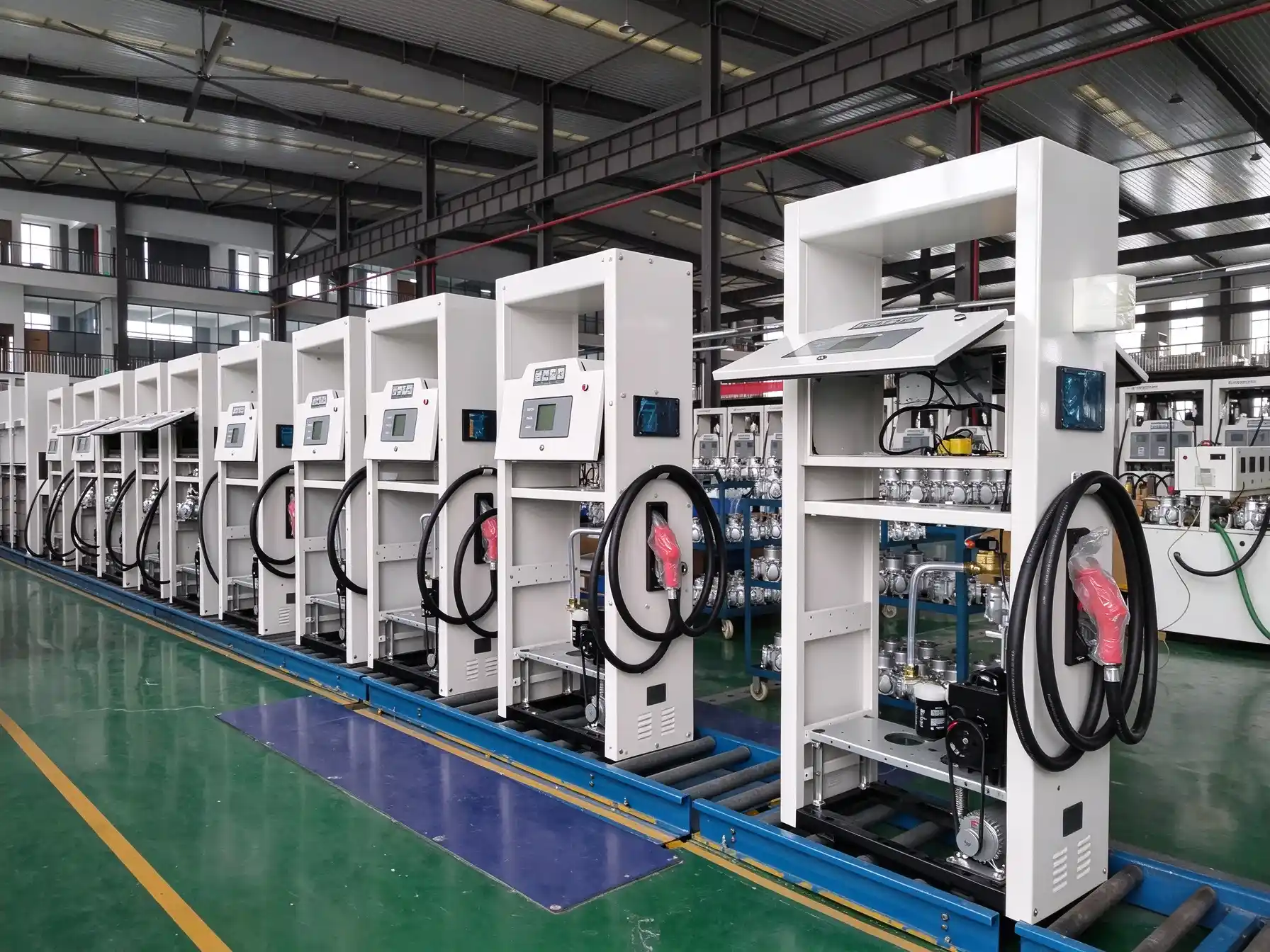
- Fuel dispensers and dispenser parts
- Submersible pumps and related accessories
- Underground fuel tanks and accessories
- Automatic tank gauging and fuel monitoring equipment
- Piping systems, valves, and related components
If you are planning a new station or upgrading an existing one, share the following information:
- Country and city: Where will the station be built?
- Project stage: Planning, design, construction, or renovation?
- Dispenser configuration: How many dispensers and dispensing positions are expected?
- Tank requirements: Planned tank quantity, capacity, and type, if known.
- Purchasing scope: Which equipment do you need to source?
We can use these details to discuss a suitable equipment list and a more project-specific procurement budget.
Important Disclaimer: 2026 Gas Station Construction Cost Estimates
The cost ranges in this article are preliminary planning estimates for 2026. They are intended to support early budgeting and are not official government cost schedules, formal contractor quotations, or final costs of completed projects. Project scope and calculation methods may differ between sources.
Actual costs depend on land purchase or lease prices, site location, station size, local labor and material costs, regulatory requirements, equipment specifications, brand agreements, exchange rates, international freight, import duties, installation, and initial working capital. The country-level figures should not be interpreted as verified quotations for a particular project.
These estimates are not fixed quotations or guarantees of investment returns. A formal budget should be prepared using the specific site, engineering design, equipment specifications, current local regulations, and actual supplier quotations. Licensing, certification, and safety requirements should be confirmed with the relevant authorities or qualified professionals before construction or procurement.