
Fuel Dispenser Flow Measurement Converter Replacement and Installation Guide
News 2026年 7月 18日 60
As a professional fuel dispenser and spare parts supplier serving global gas station operators and maintenance technicians, we provide standardized, practical equipment operation and maintenance tutorials. This professional Flow Measurement Installation Guide focuses on the full process of replacing and installing fuel dispenser core components, helping maintenance teams complete standardized operations efficiently and avoid equipment failure and measurement errors caused by non-standard installation. The flow measurement converter is one of the key measurement components inside a fuel dispenser. Its main function is to convert the mechanical movement generated by the flow meter into electrical signals, allowing the control system to accurately calculate and display the dispensed fuel volume.
During long-term operation, continuous mechanical movement and working conditions may cause the flow measurement converter to experience wear, unstable signals, or reduced performance. Therefore, mastering the standardized operation methods in this Flow Measurement Installation Guide is essential for maintaining fuel dispenser accuracy and ensuring reliable equipment operation. This article provides a complete guide to replacing and installing a fuel dispenser flow measurement converter, including preparation before installation, removal of the old component, installation of the new converter, position adjustment, and final system inspection.
Converter Installationow Measurement Converter
Complete pre-installation preparation is the premise of standardized operation, and all preparation steps specified in this Flow Measurement Installation Guide must be strictly implemented to ensure construction safety and installation qualification. Before replacing the flow measurement converter, the following preparation steps should be completed.
1.Turn Off the Power Supply
Switch off the fuel dispenser power supply and close the emergency shut-off valve to ensure a safe maintenance process. Cutting off the power and closing the safety valve can effectively avoid electric shock accidents and fuel system pressure abnormalities during component replacement, which is the core safety step of the Flow Measurement Installation Guide.
2. Prepare a Fuel Collection Container
Place a suitable fuel collection container under the installation area of the flow measurement converter to prevent any remaining fuel from leaking during removal. This step avoids environmental pollution and fuel waste, complying with the safe operation specifications of gas station equipment maintenance in this Flow Measurement Installation Guide.
3.Confirm the Replacement Component
Check that the new flow measurement converter matches the original model and make sure the installation position is correct. Matching the model parameters is the key to ensuring normal operation of the equipment after installation, which is clearly stipulated in the Flow Measurement Installation Guide.
Flow Measurement Converter Replacement and Installation Steps
The formal installation and replacement process shall be carried out in strict accordance with the step-by-step process of this Flow Measurement Installation Guide to ensure accurate installation position, firm connection and stable later operation.
Step 1:Remove the Existing Flow Measurement Converter
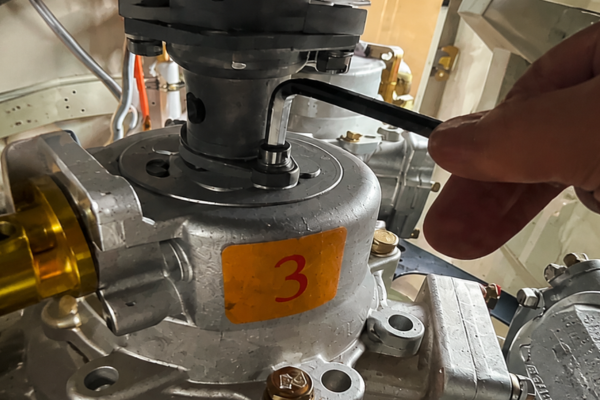
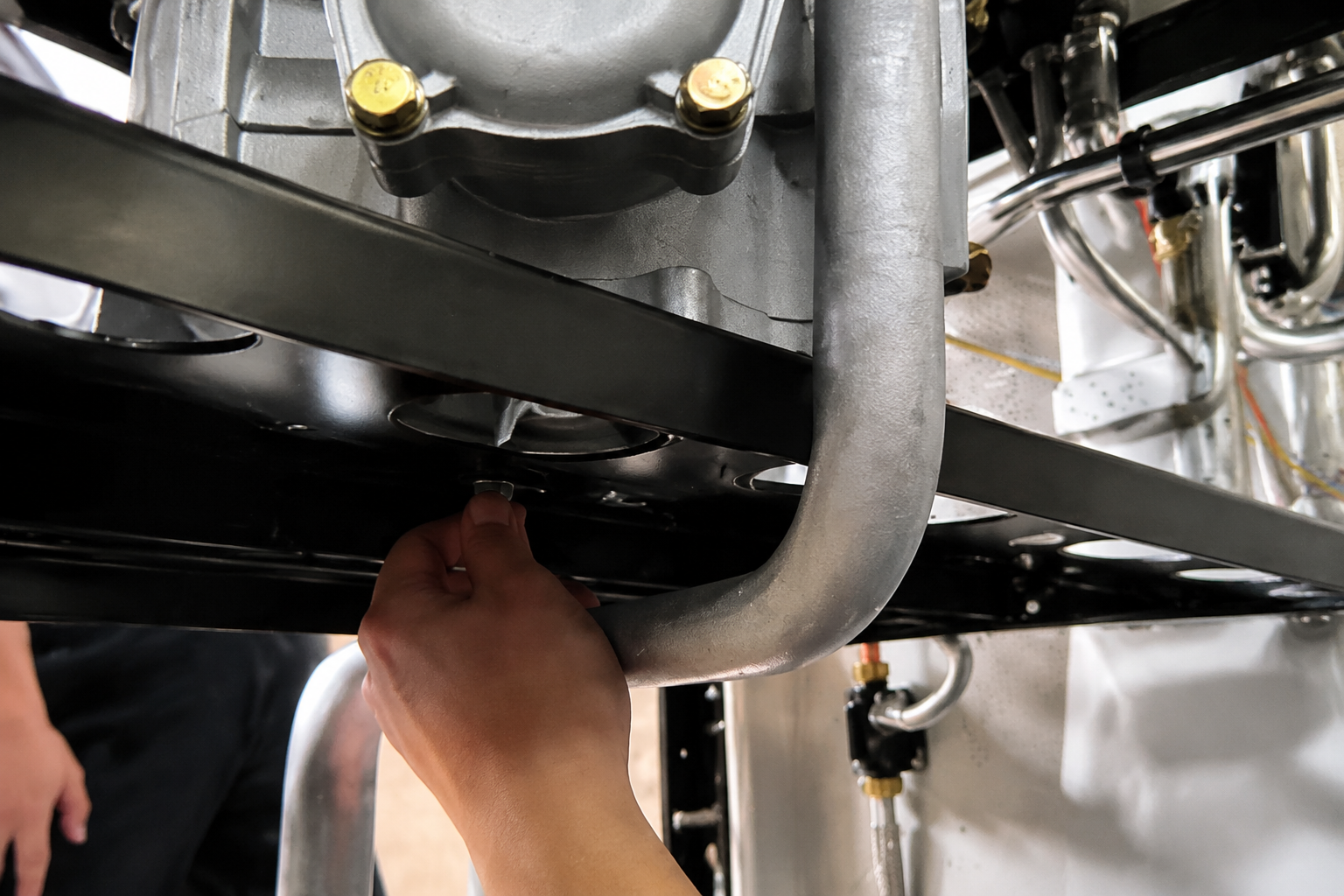
First, disconnect the encoder connected to the transmission shaft of the flow measurement converter. Then loosen the pressure plate nuts located at the fuel inlet and outlet ports. Before removing the converter, drain any remaining fuel inside the flow meter to prevent fuel leakage during the replacement process. Next, remove the fixing screws at the bottom of the converter and carefully take out the old flow measurement converter. Standard disassembly can effectively protect the pipeline and sealing structure from damage, which is an important operation specification in the Flow Measurement Installation Guide.
Step 2: Install the New Flow Measurement Converter
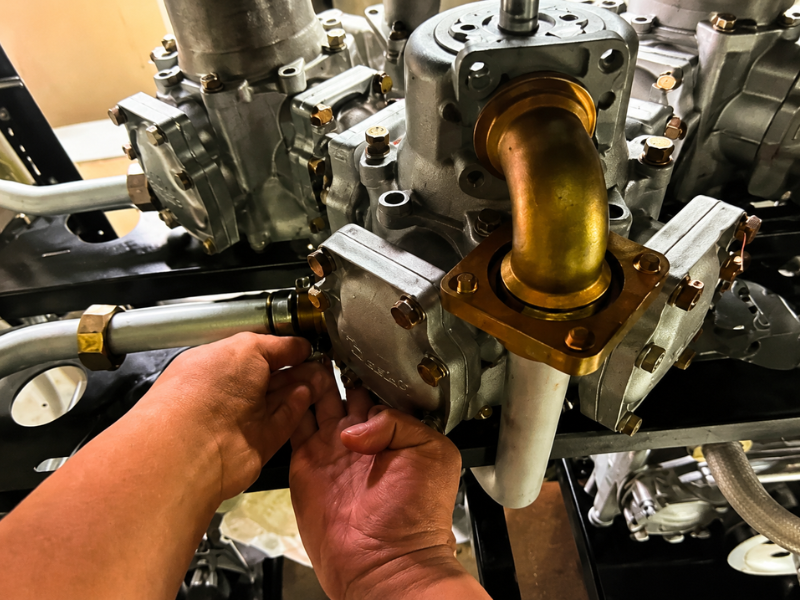
Install the new flow measurement converter into the original mounting position. Adjust the installation direction carefully to ensure that the inlet and outlet pipe connection holes are correctly aligned. During installation, pay special attention to the position of the sealing O-rings. Make sure the O-rings are properly installed and fully fitted with the connection surfaces to prevent fuel leakage after installation. After confirming the correct position: 1. Tighten the connection screws. 2. Secure the bottom fixing screws. 3. Make sure the converter is firmly installed. The sealing and fixing standards here are the core key points summarized in the Flow Measurement Installation Guide.
H3 Step 3: Connect and Inspect the System
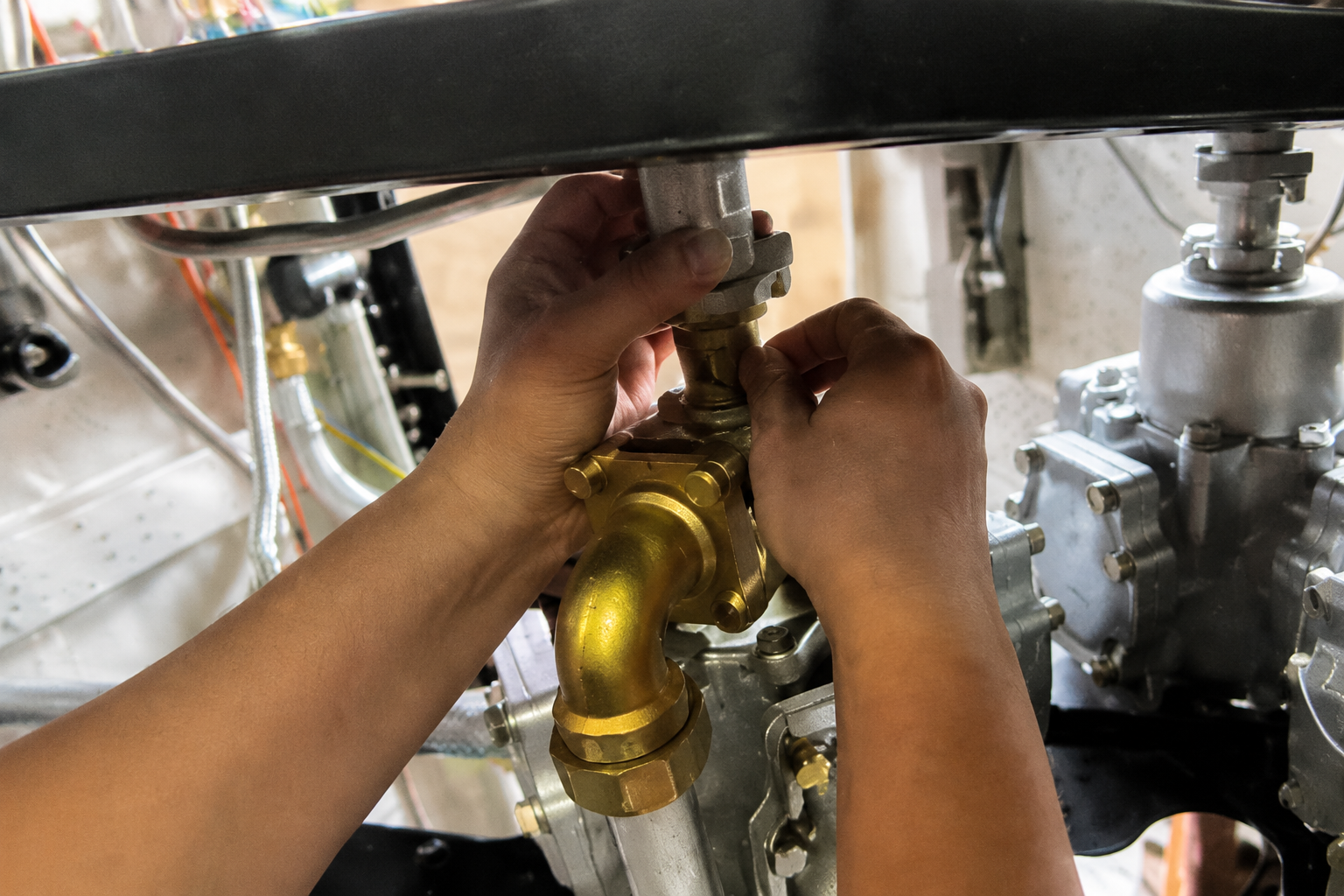
After installation: Reconnect the encoder and make sure the connection is secure. Check all bolts and pipeline connections to confirm they are properly tightened. Turn on the fuel dispenser power supply. Release the emergency shut-off valve. Perform a test operation and check: 1. Whether fuel dispensing works normally. 2. Whether measurement signals are transmitted correctly. 3. Whether any fuel leakage occurs. The post-installation test in this Flow Measurement Installation Guide can effectively eliminate hidden dangers of equipment failure.
Important Precautions in Flow Measurement Installation
To avoid unqualified installation and later equipment failure, all precautionary items in this Flow Measurement Installation Guide must be strictly observed during construction.
1.Prevent Fuel Leakage
Before removing the converter, always place a fuel collection container underneath to prevent remaining fuel from leaking.
2. Check the Sealing Condition
Damaged or incorrectly installed O-rings may cause fuel leakage.
3.Ensure Proper Alignment
The fuel inlet and outlet pipes must be correctly aligned to avoid additional stress on the converter housing.
4.Secure All Connections
Loose screws or pipe connections may cause vibration, fuel leakage, or unstable measurement signals.
Common Problems After Installation
This Flow Measurement Installation Guide sorts out common faults and targeted solutions after installation, facilitating rapid troubleshooting by maintenance personnel.
1.Fuel Leakage After Replacement
Possible Causes: Damaged O-ring, incorrect sealing position, loose connection screws. Solution: Inspect and replace the sealing ring if necessary, then tighten all connection points again.
2.Inaccurate Fuel Measurement
Possible Causes: Incorrect converter installation position, encoder connection problems, signal transmission failure. Solution: Check the converter installation position and confirm whether the encoder signal output is working properly.
3.No Measurement Signal Output
Possible Causes: Loose encoder connection, damaged converter, electrical wiring problems. Solution: Check all wiring connections. If any component is damaged, replace it promptly.
Daily Maintenance Recommendations
On the basis of standardized installation in accordance with the Flow Measurement Installation Guide, matching daily maintenance can further extend the service life of the flow measurement converter and maintain long-term accurate measurement performance. To ensure the fuel dispenser flow measurement system maintains accurate measurement performance and stable operation over the long term, regular inspection and maintenance are highly recommended. The following checks should be performed periodically: 1. Check the connection condition of the flow measurement converter. 2. Verify the stability of encoder signal transmission. 3. Inspect the condition of sealing components. 4. Prevent fuel impurities from entering precision components. 5. Perform regular measurement calibration. Good maintenance practices can effectively reduce equipment downtime, improve fuel measurement accuracy, and extend the service life of the fuel dispenser.
Conclusion
The flow measurement converter is a critical component that connects the mechanical measurement system of the fuel dispenser with the electronic control system. The correct installation and replacement procedures directly affect fuel measurement accuracy, equipment stability, and long-term operating performance. Through standardized installation procedures, proper sealing inspections, and regular maintenance guided by this professional Flow Measurement Installation Guide, fuel station operators and maintenance technicians can ensure that the flow measurement system operates reliably for a long period, improving equipment reliability and overall working efficiency.
Still have questions? 👇Click below to contact us.