
Why Does a Fuel Dispenser Nozzle Keeps Shutting Off During Refueling?
News 2026年 11月 7日 31
Premature nozzle shut-off is a common problem at busy fuel stations, causing customer frustration, longer waiting times and interrupted refueling. For fuel station operators, repeated nozzle shut-offs can affect daily operations, customer confidence and fuel sales.
A busy highway fuel station, an experienced fuel retailer and a targeted nozzle and vapor recovery upgrade helped address repeated dispensing interruptions — without replacing the entire fuel dispenser system.
For Bennett, providing a smooth and reliable refueling experience has always been central to his station’s reputation. With more than 25 years of experience in fuel retail, he operates a privately owned, high-traffic fuel station along a major highway. Truck drivers, commuters and long-distance travelers stop at his station every day. He understands that a reliable refueling experience directly affects whether customers choose to return.
However, like many fuel station operators, Bennett faced a frustrating problem: the fuel dispenser nozzle kept shutting off before the vehicle’s tank was full.
During peak hours, queues became longer. Employees had to repeatedly reassure frustrated drivers and explain that the dispenser had not necessarily delivered less fuel than indicated. Restarting the dispensing process increased transaction times, while repeated complaints gradually damaged customer confidence.
Some regular drivers even started choosing other fuel stations simply to avoid the inconvenience.
More seriously, premature nozzle shut-off created concerns about fuel measurement accuracy and potential disputes over the quantity of fuel delivered. For a station operating with a limited workforce, handling these complaints added even more pressure to daily operations.
Bennett needed a long-term solution. Replacing every existing fuel dispenser was not financially practical. Any upgrade had to work with the existing POS system, flow meters and station control system. Reliable operation was essential.
He had previously tried replacing the nozzles with standard aftermarket products. Although the problem improved slightly, intermittent shut-offs continued, and the replacement nozzles wore out quickly under frequent use.
That was when he considered a compatible fuel nozzle and vapor recovery upgrade solution.
“Drivers hate having to restart refueling again and again. Every unnecessary nozzle shut-off damages customer confidence.”
— Bennett, Independent Fuel Retailer
Bennett selected an integrated nozzle and vapor recovery upgrade solution because it offered several advantages over ordinary replacement parts: appropriate flow control, balanced vapor extraction, a durable internal sensing mechanism and compatibility with existing fuel dispenser installations.
The transactions continued to flow through the existing sales system, without requiring additional reporting modules or disrupting daily station operations.
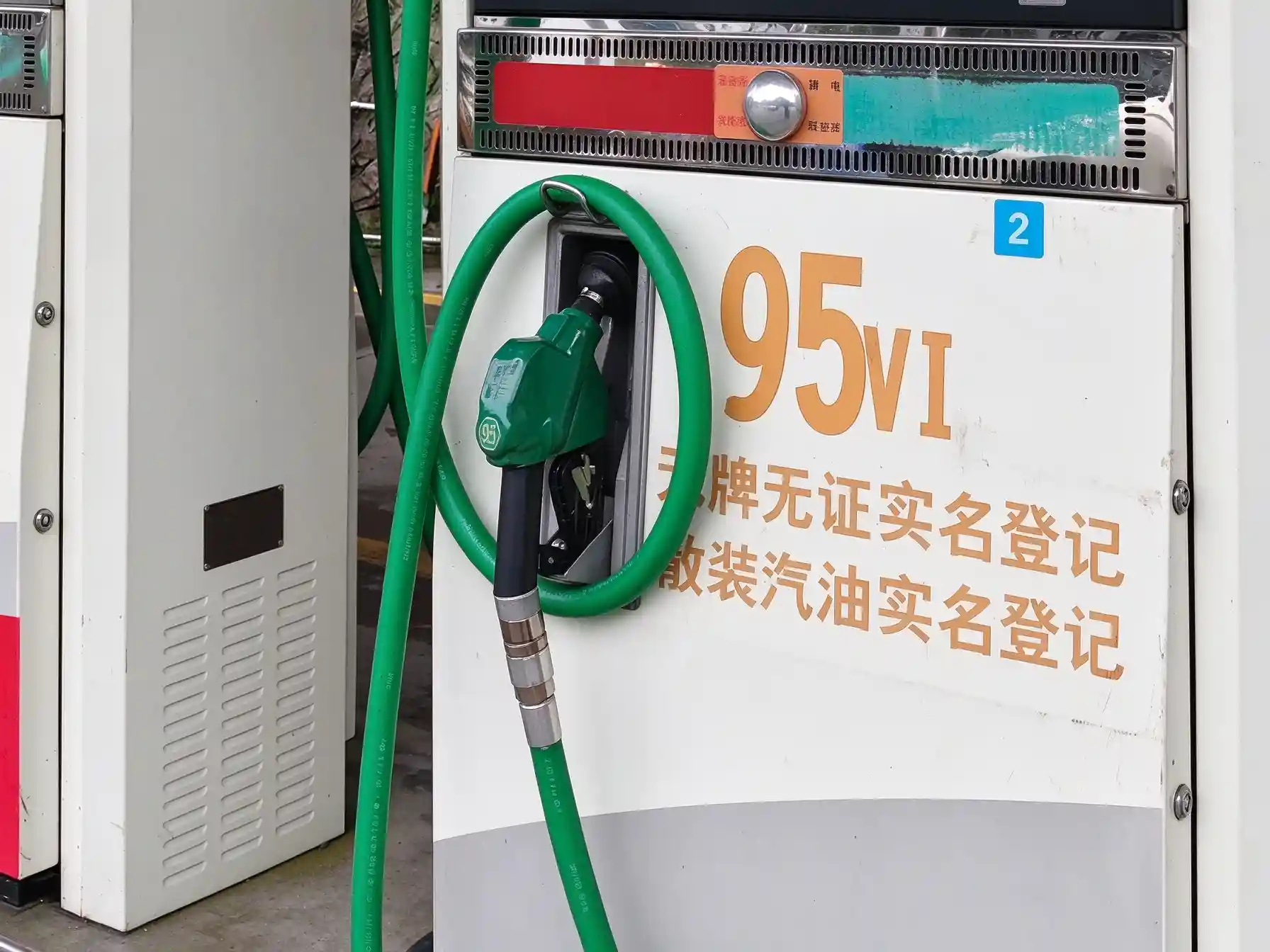
How to Prevent Premature Nozzle Shut-Off During Refueling
The improvement at Bennett’s station focused on identifying the conditions behind repeated dispensing interruptions rather than simply replacing the entire dispenser.
The upgraded nozzle and vapor recovery assembly helped maintain stable operating conditions and recover displaced vapor from the vehicle’s fuel tank. This helped reduce conditions that could contribute to premature activation of the automatic nozzle shut-off mechanism.
As a result, the station could maintain more consistent dispensing performance during peak hours, without employees having to repeatedly restart dispensers for customers.
It also reduced the operational workload. Employees spent less time investigating repeated dispensing interruptions and dealing with customer complaints.
“The equipment now operates reliably. Drivers pull in, refuel and drive away without unnecessary interruptions.”
— Bennett, Station Manager
Common Causes of Premature Nozzle Shut-Off
Before replacing a fuel dispenser nozzle, operators should understand what causes the automatic shut-off mechanism to activate.
Several different conditions can contribute to premature nozzle shut-off.
1. Nozzle sensing mechanism problems
Fuel nozzles use an automatic shut-off mechanism to prevent fuel overflow. A sensing port detects changes in pressure when fuel or liquid reaches the sensing area.
If the sensing mechanism becomes contaminated, damaged or obstructed, the nozzle may shut off unexpectedly.
2. Vehicle fuel tank ventilation restrictions
Some vehicles have restricted airflow through their fuel filler neck or tank ventilation system. During refueling, this can cause fuel to splash back toward the nozzle sensing port, triggering an early shut-off.
If the problem occurs with only one vehicle, the vehicle’s filling system should also be considered.
3. Vapor recovery system restrictions
A vapor recovery system is designed to capture displaced fuel vapor during refueling. However, incorrect installation, damaged components or restricted vapor passages can affect system performance.
Operators should inspect the nozzle, vapor recovery hose and associated components to identify possible restrictions or compatibility issues.
The U.S. Environmental Protection Agency provides further information about vapor recovery at gasoline dispensing facilities.
4. Unstable fuel flow conditions
Excessive or inconsistent fuel flow can contribute to splashback and premature nozzle shut-off under certain filling conditions.
If the dispenser also experiences reduced dispensing speed, operators can refer to our guide on fuel dispenser slow flow to understand other possible causes.
Reducing premature nozzle shut-off requires identifying the actual cause rather than assuming every interruption comes from a faulty nozzle.
Customer Complaints Dropped Significantly After the Upgrade
Since upgrading the nozzle and vapor recovery components, Bennett’s station experienced an improvement in premature shut-off problems.
According to his feedback, customer complaints related to early nozzle shut-offs decreased significantly within the first six weeks.
More importantly, the improvement went beyond reducing complaints. A more consistent refueling experience helped restore confidence among regular drivers, including commercial vehicle operators and freight fleets that value efficient and predictable stops.
Bennett was able to make better use of his existing dispensers without adding new pump islands or expanding the forecourt.
For a busy highway station, improving the performance of existing equipment created additional operating capacity without requiring a major infrastructure investment.
Reducing premature nozzle shut-off can therefore improve the customer experience while helping operators maintain smoother forecourt operations.
Maintaining Fuel Measurement Accuracy and Safety
One of the biggest concerns among fuel retailers when replacing nozzles or upgrading vapor recovery systems is whether modifications will affect metering accuracy or regulatory compliance.
Bennett had the same concern.
The upgrade components were selected to match the existing fuel dispenser configuration. Following installation and verification, the dispensing system continued to meet the station’s applicable measurement requirements.
The automatic nozzle shut-off function also remained operational. When the vehicle’s tank reached the appropriate filling condition, the nozzle could still activate its safety shut-off mechanism as designed.
Fuel measurement accuracy is an essential part of retail fuel operations. The NIST Handbook 44 provides technical requirements and tolerances for commercial measuring devices, including retail fuel dispensers.
With fewer unnecessary interruptions during peak hours, transaction times became shorter and forecourt congestion was reduced. More customers also had time to visit the convenience store for snacks and drinks.
The result was smoother forecourt operations without compromising measurement control or safety requirements.
“The only feedback I hear from customers now is: finally, we can refuel without all the hassle.”
— Bennett, Station Manager
Reducing Compliance and Reputation Risks at Fuel Stations
Like many fuel retailers, Bennett recognized that repeated premature nozzle shut-off could create more than just operational inconvenience.
When a nozzle stops before a vehicle’s tank is full, drivers may suspect inaccurate fuel delivery or question whether they have received the quantity displayed on the dispenser.
Repeated disputes can damage customer trust and potentially lead to formal complaints or regulatory inspections.
Bennett’s station had already received customer inquiries about these issues. Consistent and reliable dispenser performance had therefore become an important part of his station management priorities.
By improving nozzle shut-off performance and maintaining the intended vapor recovery function, the upgrade helped reduce unnecessary dispensing interruptions, fuel quantity disputes and potential compliance concerns.
In a market where accurate fuel measurement and customer confidence are essential, reliable equipment performance makes a real difference.
“I no longer have to worry about something going wrong during every refueling transaction.”
— Bennett, Fuel Retailer
Easier Installation Without Replacing the Entire Fuel Dispenser
Installation was another important consideration.
After experiencing poor performance from generic replacement parts and complicated assembly procedures, Bennett was pleasantly surprised by the straightforward upgrade process.
The components were selected to match the existing dispenser configuration. Technicians upgraded the dispensers individually, keeping station downtime to a minimum.
Proper fuel dispenser installation, including piping and electrical connections, is essential for reliable equipment operation.
Once installation and commissioning were completed, the upgraded equipment began operating without requiring major changes to the existing station infrastructure.
For fuel retailers who value forecourt efficiency, measurement control and long-term customer confidence, the decision to upgrade became easier.
“Upgrading the nozzles and vapor recovery components was a smart investment. The initial cost was manageable, but the improvements in customer confidence and operating efficiency continue to deliver value.”
— Bennett, Station Owner
Find the Right Fuel Nozzle and Vapor Recovery Solution
Premature nozzle shut-off can affect customer satisfaction, fuel station efficiency and daily operations. However, replacing the entire fuel dispenser is not always necessary.
Identifying the actual cause and selecting compatible replacement components can be a more practical approach.
At Xingzhongyuan (Quanzhou) Energy Co., Ltd., we support international fuel station projects with fuel dispensers, nozzles, vapor recovery components, pumps and related accessories.
Whether you are maintaining an existing station or preparing a new fuel station project, we can help coordinate equipment requirements and compatible component selection.
Contact us to discuss your fuel dispenser requirements and find suitable equipment solutions for your station.