
Global Diesel Supply Tightness: Risk Analysis & Mitigation Tips for Fuel Station Operators
News 2026年 10月 29日 47
For fuel station owners and downstream fuel operators across Nigeria, Indonesia and Southeast Asia, diesel supply disruptions have become one of the biggest operational headwinds in recent weeks.
It is important to clarify one core fact: the market is not facing a crude oil shortage. The bottleneck lies in refined diesel supply, maritime logistics and geopolitical chokepoints. Many retailers are caught between rising landed costs, irregular cargo arrivals and thin retail margins.
What Is Driving Diesel Supply Disruptions?
Three interconnected factors are shaping the spot market:
1. Reduced Russian Diesel Export Availability
Ongoing strikes on Russian refining assets keep diesel output under pressure. The extension of its diesel export restriction limits one of the world’s largest seaborne diesel suppliers. This directly lifts Singapore diesel crack spreads, the benchmark reference for most Indonesian and West African buyers.
2. Persistent Shipping Risk Along Red Sea and Middle East Routes
Attacks on energy infrastructure and vessels push up tanker war risk insurance and freight rates. Even if you successfully lock in a fuel price, your final landed cost can jump unexpectedly before cargo arrives. This creates huge uncertainty for importers that price in local currency.
3. Limited Relief from Strategic Reserve Releases
The IEA and G7 coordinated releases of diesel and crude reserves are mainly designed to stabilize European domestic markets. The spillover effect on Africa and Southeast Asia is modest. Local buyers still compete fiercely for limited spot cargoes out of Singapore and India.
Regional markets carry different vulnerabilities. Indonesia relies heavily on imported diesel through Singapore, with limited onshore strategic storage buffer. Nigeria faces combined pressure from FX volatility and import fuel price pass-through. Both markets frequently see unexpected supply delays and station stock-outs.
How Diesel Supply Disruptions Affect Fuel Station Operations
Macro price news matters, but the real damage hits your forecourt operation directly:
- Compressed profit margins: Wholesale costs move up quickly while retail price adjustments may be slow.
- Unplanned stock-outs: Delayed shipments empty your underground tanks, sending regular customers to competitors.
- Poor inventory visibility: Manual dipstick checking cannot provide accurate real-time stock data, so you either overstock and tie up capital or understock and run dry.
- Higher equipment failure rates: Frequent fuel turnover, impurities and peak-hour loading put extra stress on aging dispensers, hoses, breakaway valves and tank fittings. Unexpected breakdowns stop sales exactly when diesel demand is strong.
For operators looking to improve stock visibility, an automatic tank gauging system (ATG) can help monitor tank levels, identify potential slow leaks and provide low-stock alerts.
Practical Ways to Reduce Diesel Supply Risks
Fuel retailers cannot control geopolitics or global spot prices. However, they can strengthen on-site infrastructure and operating workflows to reduce the impact of diesel supply disruptions.
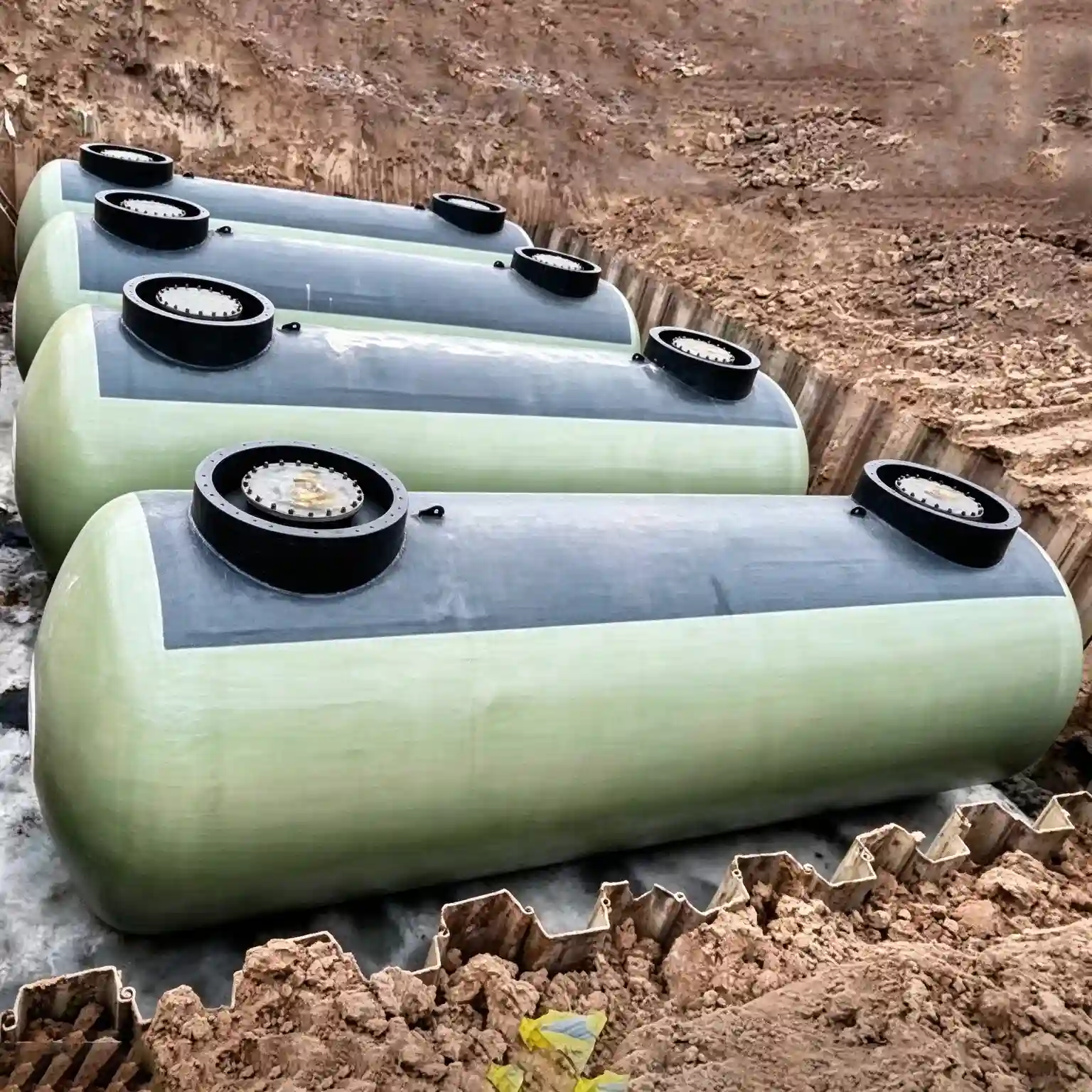
1. Build Adequate and Safe Storage Capacity
A properly sized, compliant double-wall underground storage tank creates a physical buffer against delivery delays. Extra tank capacity lets operators take cargo when prices are favorable and avoid panic buying during supply disruptions.
Leak-tight S/F tanks also reduce environmental risk and insurance issues. When planning a tank upgrade, our guide on how to choose underground fuel storage tanks compares steel, fiberglass and steel-inner/fiberglass-outer tank designs.
Storage capacity should always be evaluated against site conditions, local regulations, safety requirements and actual fuel demand.
2. Deploy an ATG Automatic Tank Gauge System
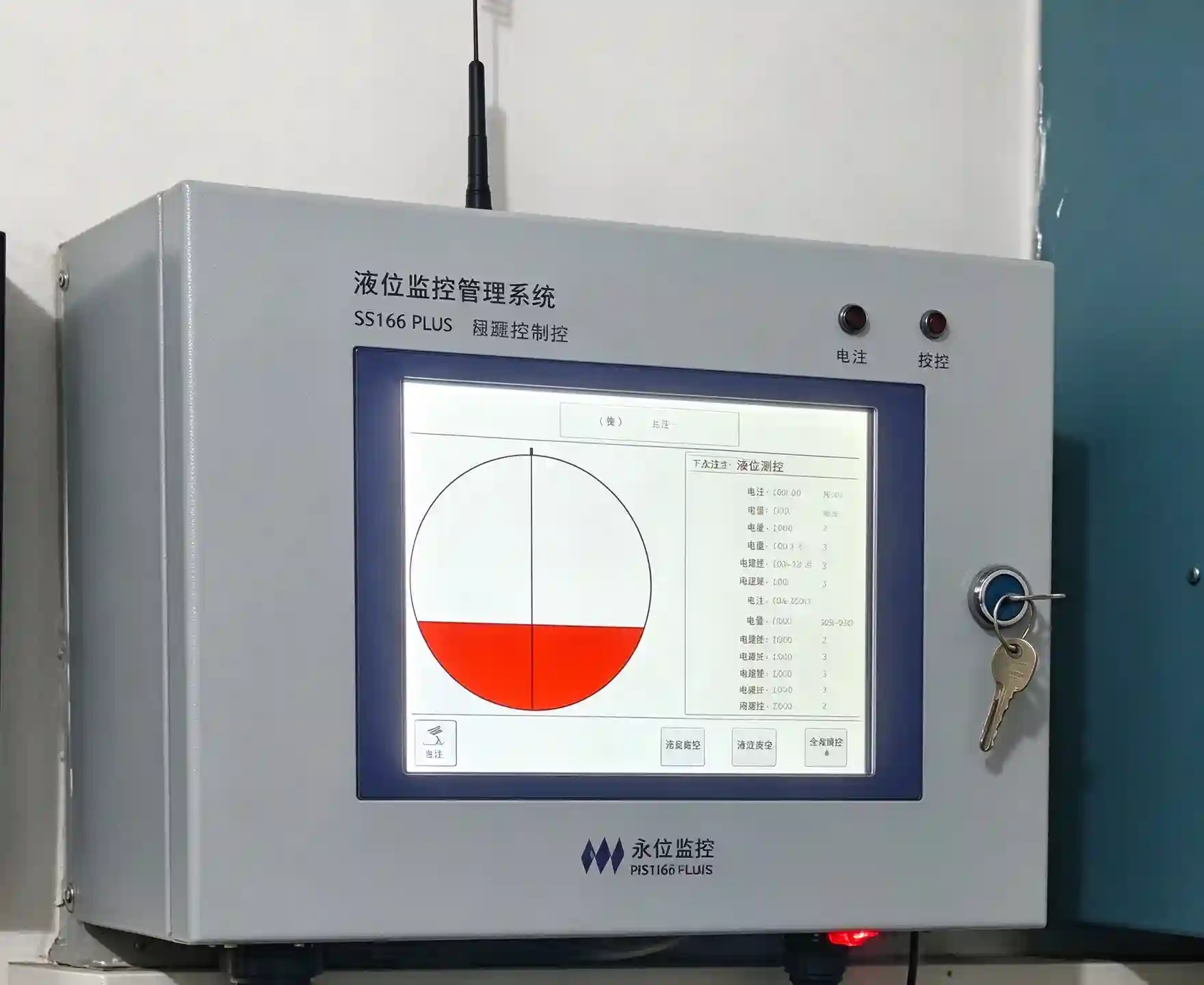
Manual tank reading is error-prone. An ATG system tracks real-time fuel levels, detects slow leaks when supported by the system configuration, and generates low-stock alerts.
It helps operators calculate lead times and reorder points more precisely, making it easier to avoid running out of diesel. For stations seeking better inventory control, an automatic tank gauging system can support more informed replenishment decisions.
3. Schedule Preventive Maintenance for Fuel Dispensers and Fittings
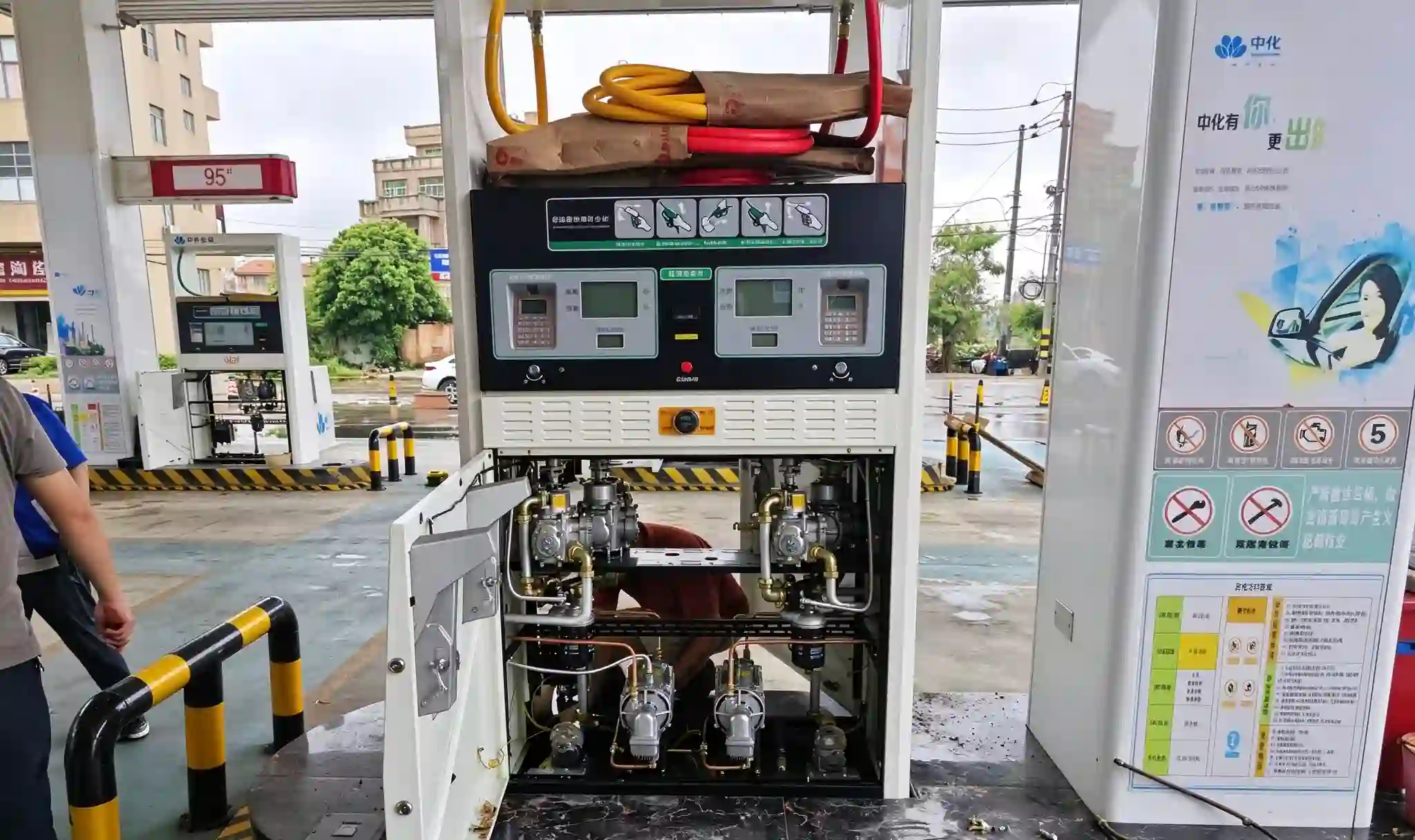
During volatile supply cycles, you cannot afford unnecessary downtime. Regular inspection of shear valves, swivel joints, nozzles, filters and sealing components helps keep dispensers operating reliably.
Keep critical spare parts in stock for fast replacement. High-precision, durable dispensers also help minimize fuel loss caused by leakage and metering errors.
If a dispenser begins delivering fuel more slowly than usual, our guide to fuel dispenser slow flow explains common causes and troubleshooting steps.
Storage safety matters, too. Learn about gas station secondary containment to understand how containment measures help protect underground fuel storage systems.
4. Diversify Your Supply Schedule
Avoid relying on a single source or last-minute cargo booking. Lock in pricing when market conditions permit and stagger delivery schedules to spread logistics risk.
Review sales trends, tank inventory, supplier lead times and expected delivery dates regularly. Combining better inventory visibility with a planned replenishment schedule helps operators respond earlier to potential supply interruptions.
Final Takeaway: Prepare Your Station for Diesel Supply Disruptions
Diesel supply volatility will remain a major theme for the near term. Successful fuel retailers do not merely follow price tickers. They build operational resilience through reliable storage, digital inventory control and well-maintained forecourt equipment.
A robust fuel handling system turns supply uncertainty into a manageable risk instead of an existential threat to your station.
If you are evaluating storage tank upgrades, ATG installation or sourcing heavy-duty fuel dispensers and spare parts for your site, Xingzhongyuan (Quanzhou) Energy Co., Ltd. provides fuel station equipment supply chain support for international projects.
Contact our team to discuss your fuel station equipment requirements.