
Fuel Dispenser Installation: 10 Mistakes to Avoid
News 2026年 10月 9日 14
Fuel dispenser installation involves more than positioning equipment on a concrete island. For gas station developers, EPC contractors, and equipment buyers, small mistakes during project preparation can lead to installation delays, unexpected costs, and difficult handovers.
Some fuel dispenser installation problems begin long before the actual installation. Missing technical drawings, incompatible connections, unclear electrical requirements, and incomplete delivery documents can all create unnecessary work on site.
So, what should you check before installing a fuel dispenser? This guide covers 10 common fuel dispenser installation mistakes, focusing on project coordination, equipment compatibility, site preparation, and commissioning.
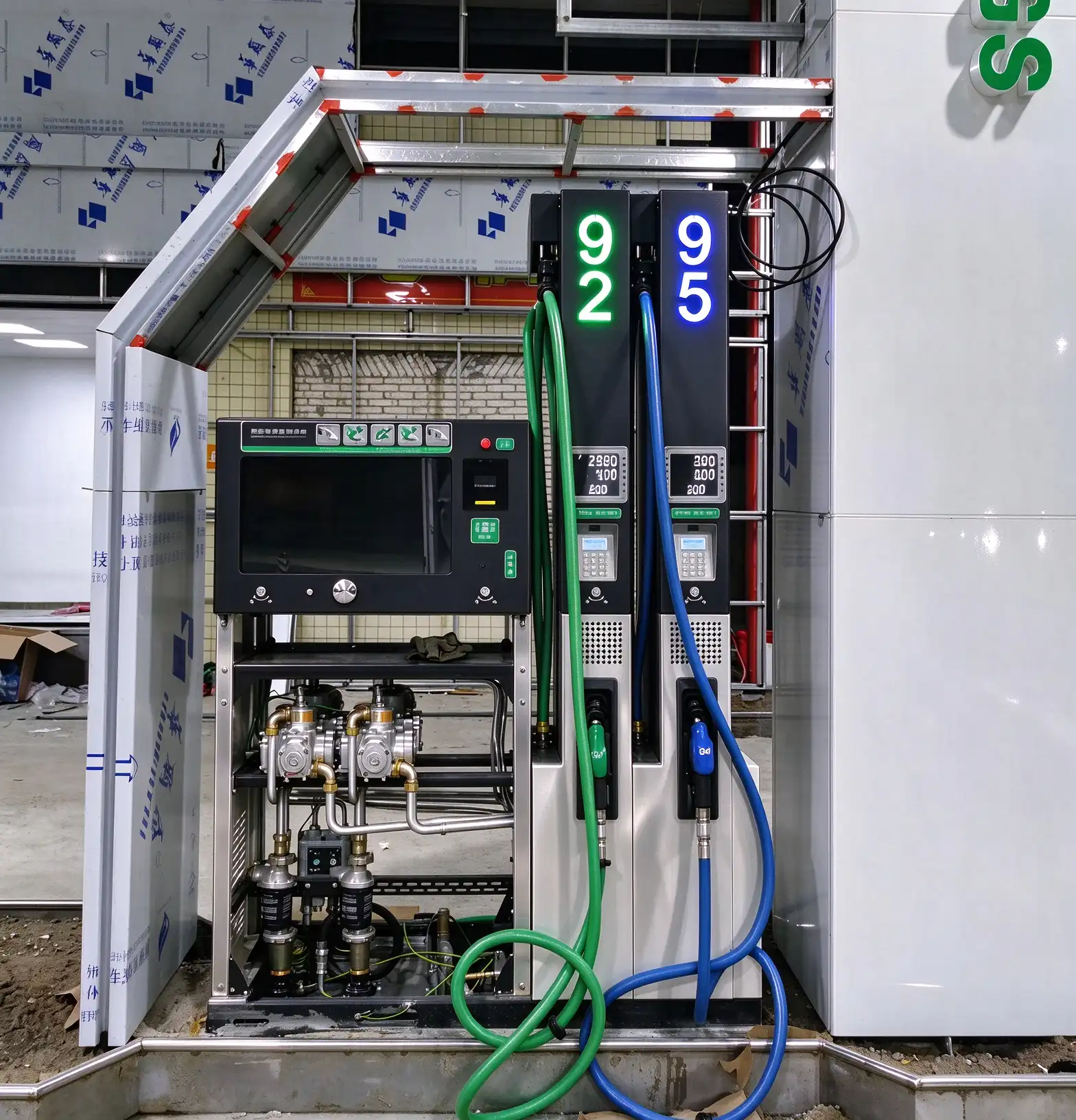
1. Ordering Equipment Before Confirming the Technical Drawings
One common fuel dispenser installation mistake is placing an order before the project drawings and equipment specifications are finalized.
A dispenser may be suitable for the application but still fail to match the planned mounting arrangement, piping connections, or electrical interfaces. These mismatches can increase the overall fuel dispenser installation cost and delay construction.
Before procurement, confirm the dispenser model, dimensions, nozzle configuration, connection positions, and required accessories. Make sure the latest approved drawings are used by both the supplier and installation team.
Proper planning before fuel dispenser installation can reduce modifications after equipment delivery and help keep the project on schedule.
2. Assuming Every Fuel Dispenser Has the Same Installation Requirements
Fuel dispensers can differ in dimensions, mounting arrangements, electrical specifications, and connection details. Therefore, a general fuel dispenser installation guide may not cover every model-specific requirement.
Using the installation instructions for a different model may result in incorrect site preparation or incompatible components.
Before starting fuel dispenser installation, obtain the manufacturer’s installation manual and technical drawings for the exact model being supplied. Check the required clearances, mounting details, utility connections, and maintenance access.
For general layout considerations, refer to our guide to fuel dispenser installation layout requirements.
3. Preparing the Pump Island Without Coordinating Equipment Dimensions
Construction teams may complete the dispenser island before confirming the final equipment dimensions. This can create avoidable problems during fuel dispenser installation.
If mounting points, openings, or containment arrangements do not match the selected dispenser, the contractor may need to modify completed work. Such rework can affect both the construction schedule and installation budget.
To prevent this, coordinate the civil drawings with the approved dispenser drawings before construction. Confirm mounting positions, access requirements, cable entry points, and any required under-dispenser containment system.
The goal is to ensure that the completed island is ready for the actual equipment, not just a preliminary design.
4. Failing to Verify Piping and Connection Compatibility
Piping compatibility is an important part of fuel dispenser installation because the dispenser must work with the wider fuel delivery system.
A connection may look correct but still have the wrong thread type, diameter, material, or sealing arrangement. Differences between metric and imperial dimensions can also create procurement problems.
Before ordering piping accessories, valves, flexible connections, or fittings, verify:
- Connection size and type
- Material compatibility with the fuel
- Pressure and temperature ratings
- Applicable installation requirements
- Compatibility with the selected equipment
Do not rely on photographs or product names alone. Request technical drawings or written specifications when connection details are unclear.
5. Leaving Electrical Requirements Until the Installation Stage
Electrical requirements should be confirmed before equipment delivery and site wiring.
Differences in voltage, frequency, control signals, and communication interfaces can complicate installation if they are discovered too late.
Check the manufacturer’s electrical documentation and coordinate it with the approved site design. Confirm the required power supply, protective devices, cable connections, grounding, and any communication or control interfaces.
Electrical work in hazardous areas must follow the applicable regulations and be completed by qualified personnel. Never modify wiring or bypass safety devices simply to make equipment operate.
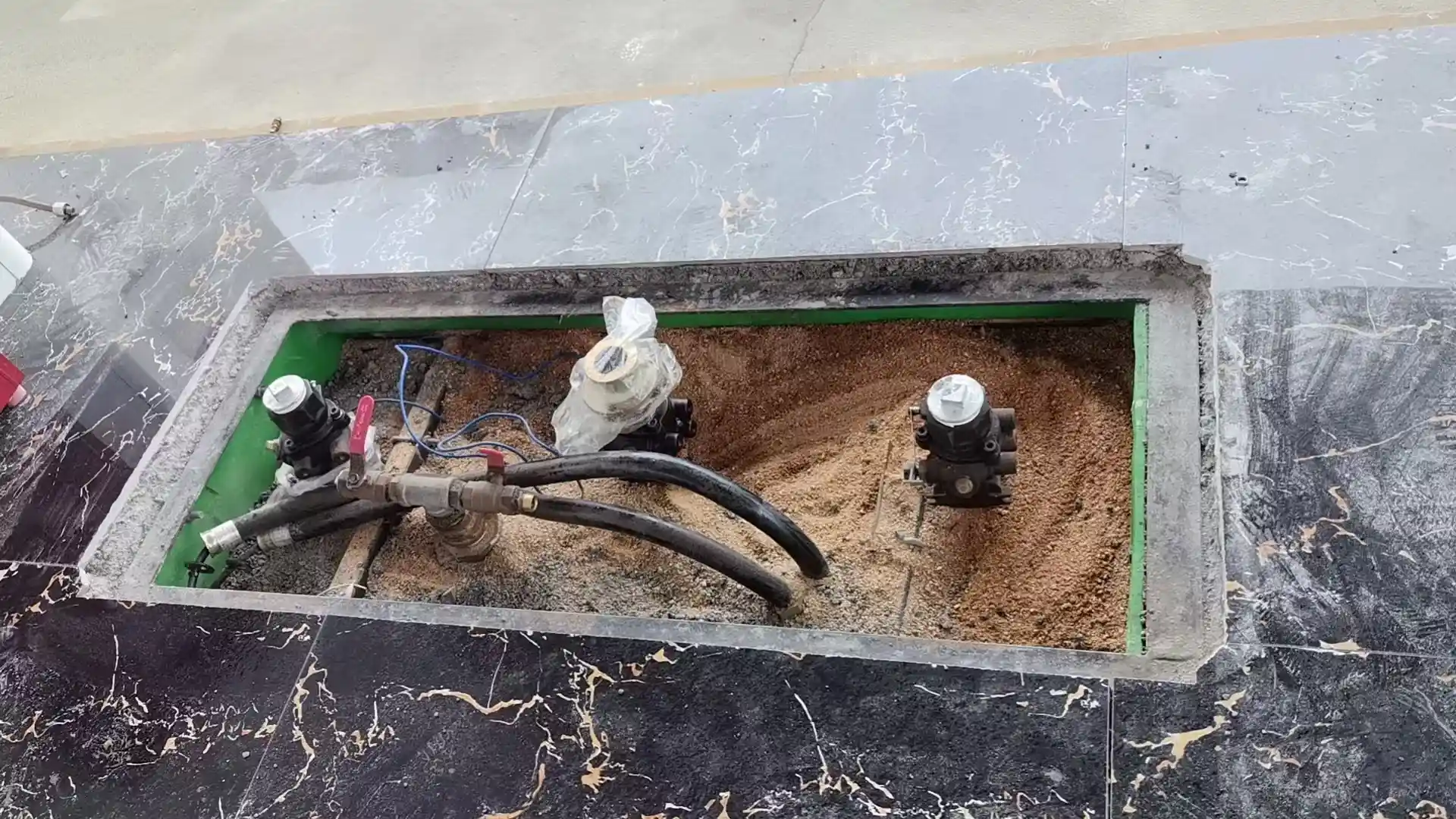
6. Ignoring Equipment Compatibility Across the Fuel Delivery System
A fuel dispenser does not operate independently. Its performance and installation depend on the wider fuel delivery arrangement.
For example, the selected dispenser, pump, piping, and associated components must be compatible with the intended fuel type, required operating conditions, and system design.
Before procurement, review the complete equipment configuration rather than evaluating each item separately. Confirm the pump arrangement, expected demand, connection interfaces, and operating specifications.
Our guide to submersible pump vs. suction pump explains the differences between common fuel delivery arrangements.
7. Failing to Plan Equipment Delivery and Site Readiness
Equipment arriving early does not necessarily mean a project can be installed early.
If the pump island is unfinished, access is restricted, storage is unsuitable, or the installation team is unavailable, equipment may remain on site for weeks.
Before shipment, coordinate the delivery schedule with the construction program. Confirm that the site is ready to receive the equipment, unloading arrangements are available, and suitable storage conditions can be provided.
Also check the packing list and delivery documents so missing components can be identified before installation begins.
For multi-equipment projects, a coordinated delivery schedule is often more useful than arranging every item independently.
8. Overlooking Documentation and Local Approval Requirements
Missing documents can delay inspection, commissioning, or project handover even when the equipment has been installed correctly.
Depending on the country and project, required documents may include equipment specifications, wiring diagrams, certificates, installation manuals, inspection records, and test reports.
Before procurement, ask the project owner or local engineering team which documents must be supplied. Confirm that the equipment’s certifications and approvals are appropriate for the intended market and application.
Do not assume that a certificate accepted in one country will automatically satisfy another country’s requirements.
9. Starting Commissioning Without a Clear Inspection Plan
Installation should not be considered complete simply because the dispenser powers on.
A commissioning plan should identify what needs to be inspected, tested, documented, and approved before the station enters operation.
Depending on the design and local requirements, this may include checking mechanical connections, verifying electrical protection, testing required safety devices, confirming system operation, and completing applicable metrology checks.
Testing must follow the manufacturer’s procedures and relevant regulations. Fuel system integrity tests should be performed using approved methods by qualified personnel.
Prepare the inspection checklist before installation begins so the team knows what evidence is required for handover.
10. Choosing Equipment Based on Purchase Price Alone
The lowest equipment price does not always produce the lowest project cost.
An inexpensive component may require additional adapters, create compatibility issues, arrive without required documents, or be difficult to maintain locally.
When comparing suppliers, evaluate more than the initial quotation. Consider technical compatibility, included accessories, certification requirements, spare parts availability, delivery schedule, warranty terms, and after-sales support.
For overseas gas station projects, coordinating multiple equipment categories through a clear technical specification can help reduce procurement gaps and avoidable site modifications.
Fuel Dispenser Installation Checklist
Before installation begins, confirm that the project team has:
- Approved drawings for the exact dispenser model
- Verified mounting dimensions and island preparation
- Confirmed piping and electrical interfaces
- Checked compatibility across the fuel delivery system
- Coordinated equipment delivery and site readiness
- Collected required technical documents and certificates
- Prepared inspection, testing, and commissioning procedures
- Assigned responsibility for installation, testing, and handover
This checklist is a project planning aid, not a substitute for manufacturer instructions, approved engineering drawings, or local regulations.
Final Thoughts
Successful fuel dispenser installation starts well before the equipment reaches the site. Accurate drawings, compatible components, coordinated deliveries, complete documentation, and a clear commissioning plan can prevent many avoidable problems.
For gas station developers and EPC contractors, the most effective approach is to coordinate equipment specifications and installation requirements early rather than resolving mismatches during construction.
Planning a new fuel station or upgrading an existing project?
Contact our team to discuss your equipment requirements. Xing Zhong Yuan Energy supports fuel station equipment sourcing and coordination for overseas projects, helping buyers review equipment categories, technical compatibility, and procurement requirements.