
US Fuel Prices Fall Below $4/Gallon
News 2026年 11月 11日 24
AAA’s latest fuel price report shows US regular gasoline has dropped below $4 per gallon for the first time since July. This pullback comes from easing geopolitical risk premiums, weaker crude oil prices, the end of North America’s summer driving season, lower seasonal gasoline demand and recovering refined fuel inventories.
For motorists, cheaper fuel is good news. But for US fuel station owners, this price drop creates a tough new challenge: sharply thinner filling station profit margins.
Many new station operators hold a common misunderstanding: stations struggle most when fuel prices surge. In reality, low-price cycles are far less forgiving.
A key business reality here: crude oil is only one factor shaping retail pump prices. Rent, labour, logistics and equipment maintenance costs do not fall alongside fuel prices. It is even common to see retail prices drop faster than wholesale purchase costs, squeezing per-gallon profit directly.
When per-unit profit gets squeezed, even small fuel inventory loss can quickly wipe out your earnings.
This is not a problem unique to the United States. Whether you run a filling station in Nigeria, Indonesia, Kenya, Pakistan, Vietnam or the Philippines, you face the same core rule. When margins shrink, you cannot afford unmanaged hidden fuel loss. The warning signs and practical fixes work for fuel retailers across nearly every market.
What Causes Hidden Fuel Inventory Loss at Filling Stations Worldwide?
Fuel station shrinkage rarely comes from one single big failure. Most profit drains happen slowly, quietly, day after day. These root causes are universal, though local risks vary slightly by country.
First, inaccurate fuel dispenser calibration creates steady, invisible losses.
If your dispenser is out of tolerance, every transaction chips away at your revenue. Regulators around the world carry out routine checks. In Nigeria, NMDPRA regulates petroleum product dispensing and station compliance. In the US, state weights and measures authorities inspect fuel dispensers and enforce measurement requirements.
Bad calibration hurts your profit and puts you at risk of regulatory penalties, no matter where your station is located. The NIST guidance on gasoline dispenser inspection and testing provides useful technical information for understanding dispenser measurement accuracy.
Second, slow underground storage tank leak detection failures are a silent threat.
Tiny leaks from tanks, pipelines, worn hoses or faulty seals do not show up overnight. Over weeks and months, they add up to significant fuel inventory loss.
In the US, EPA regulations require release detection measures for regulated underground storage tanks and piping.
For operators in Indonesia and Vietnam, the risk may also increase when using high-blend biofuels such as B50 and E10, depending on the compatibility of existing equipment materials. These fuels can affect unsuitable rubber components and create leakage risks. That is why biofuel compatible seals and hoses should be selected according to the actual fuel blend and manufacturer specifications.
Third, manual stock checks and poor fuel tank reconciliation lead to messy inventory data.
Many station teams still rely on manual dipping and paper logs. Human error, temperature-related fuel expansion and poor record-keeping make it difficult to separate normal stock variation from suspicious loss.
This is where reliable ATG tank monitoring changes everything. An automatic tank gauging system tracks fuel levels, compares stock data against POS sales records, and helps flag abnormal inventory changes.
Fourth, biofuel blends can loosen sediment inside tanks.
For Indonesia’s B50 biodiesel, Vietnam’s E10 ethanol gasoline, and B20 blends used in parts of the US, blended fuel may loosen old sludge inside tanks. This can clog filters, disrupt fuel flow and increase maintenance costs, which further eats into your thin filling station profit margin.
For a closer look at equipment considerations in Indonesia, see our guide to B50 fuel compatibility.
Practical Global Steps to Protect Margins When Fuel Prices Fall
These solutions work for independent stations, small chains and new filling station projects, regardless of your country. You do not need a huge budget to start controlling fuel station shrinkage.
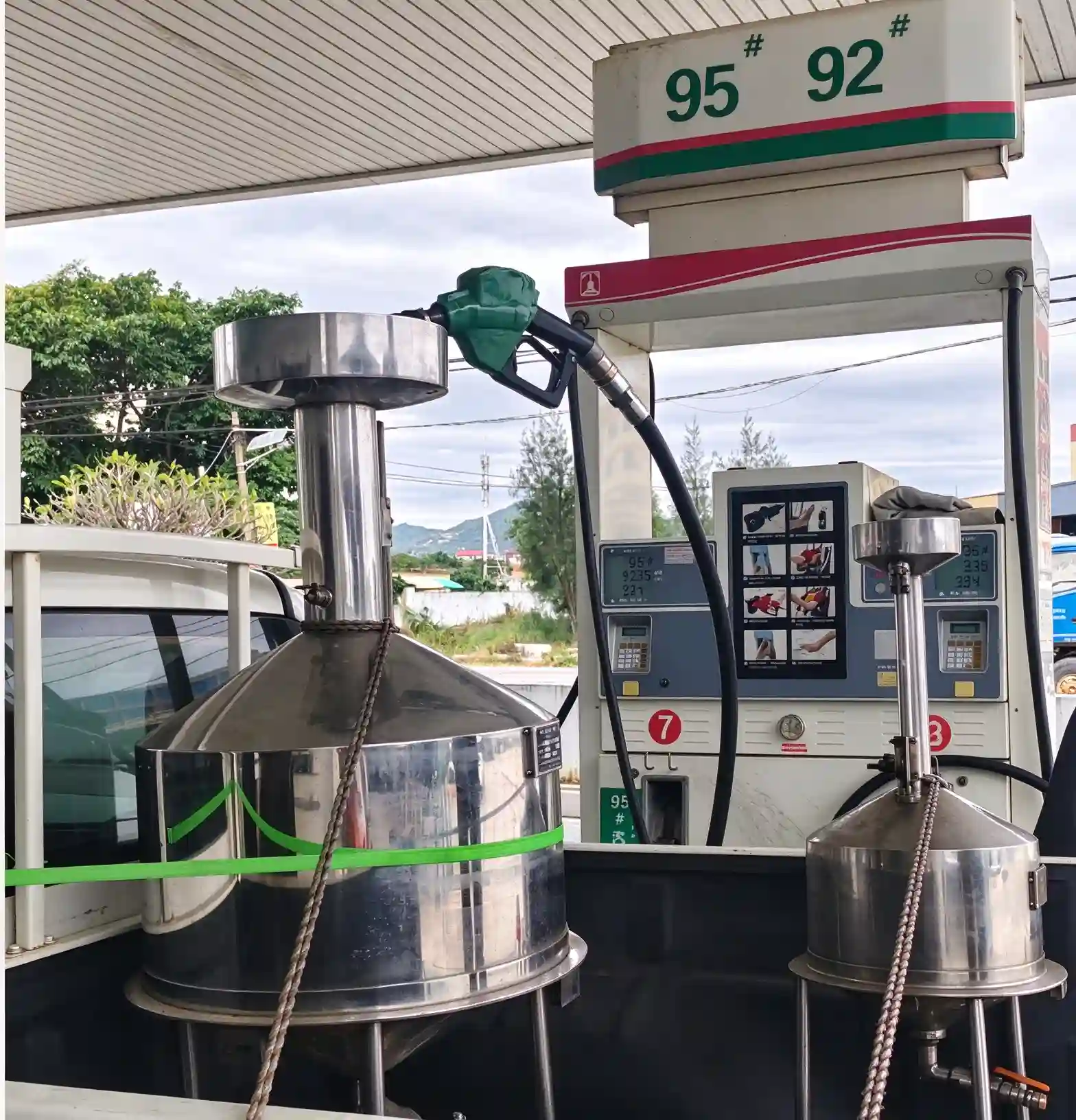
1. Stick to Scheduled Fuel Dispenser Calibration
Do not delay pump calibration when business gets busy or fuel prices drop. Many operators make the mistake of cutting maintenance costs during low-margin seasons.
But calibrated dispensers help ensure accurate dispensing, avoid regulatory fines and prevent slow, steady inventory discrepancies caused by measurement drift.
Schedule routine testing and keep all calibration certificates on file for inspection.
2. Deploy ATG Tank Monitoring for Real-Time Inventory Control
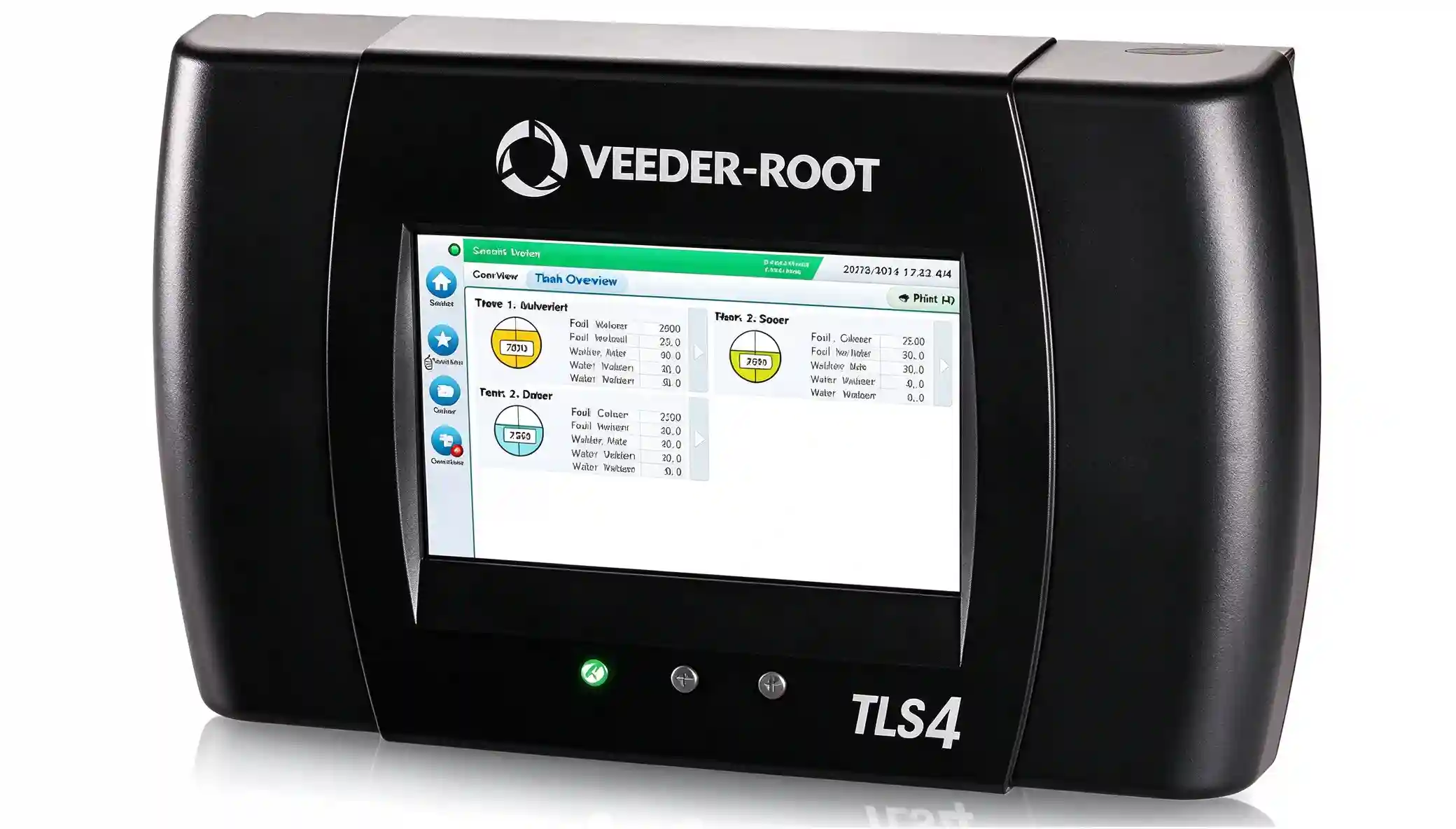
ATG tank monitoring is one of the most effective ways to distinguish normal fuel stock variation from potential leaks or theft.
A good automatic tank gauging system logs tank readings automatically, reduces human error from manual dipping, and supports daily fuel tank reconciliation.
For stations in Nigeria, this system can also help identify unusual inventory changes that may indicate fuel theft.
For Indonesian and Vietnamese sites running biofuel blends, ATG alerts can help operators investigate unusual stock losses that may be linked to equipment or tank problems.
For US retailers, compliant release detection systems help meet applicable UST regulatory requirements.
It is a useful inventory management tool for fuel stations in different markets.
3. Inspect and Upgrade to Biofuel Compatible Seals and Hoses
If your station sells B50, E10 or other blended fuels, make sure standard rubber components are suitable for the actual fuel composition.
Cracked seals, swollen hoses and stuck valves can create hidden fuel inventory loss.
Carry out periodic component checks, and replace worn parts with biofuel compatible seals rated for your local fuel blend.
This preventive step helps avoid costly leaks and unexpected downtime.
4. Build a Daily Fuel Tank Reconciliation Workflow
Set a simple daily routine: match your ATG inventory report against POS sales and delivery records.
Run this check every day instead of waiting for monthly stock audits.
Catching abnormal loss early lets you fix dispenser, tank or pipeline issues before the losses become unmanageable.
Proper fuel dispenser installation and piping connections also help reduce operational risks and prevent avoidable fuel losses.
5. Train Your Team to Watch for Early Warning Signs
Your on-site staff are the first line of defence.
Train attendants and managers to identify problems such as slow fuel dispenser flow, unusual filter blockages, strange tank pressure readings or inconsistent dispenser receipts.
These small clues can point to calibration drift, leak risks or sediment issues before they hurt your filling station profit margin.
The Global Mistake Most Fuel Station Owners Make
Across every market, we see the same costly error: when fuel prices drop, operators cut maintenance budgets. They postpone fuel dispenser calibration, skip tank inspections and delay replacing ageing seals and hoses.
This is counterproductive.
Low-margin periods are exactly when you have zero room for fuel station shrinkage. A small leak or a slightly inaccurate pump that you could overlook when margins were healthy may push your station into losses when every cent counts.
Price swings are out of your control, but inventory loss is something you can manage.
FAQ
Q: Why Do Fuel Stations Lose More Profit When Fuel Prices Drop?
A: Wholesale fuel costs, rent, labour and equipment expenses do not fall at the same speed as retail pump prices. Your per-litre or per-gallon filling station profit margin shrinks, so any fuel inventory loss takes a much larger bite out of your bottom line.
Q: What Is the Biggest Source of Hidden Fuel Inventory Loss?
A: The main causes include out-of-spec pumps without regular fuel dispenser calibration, underground storage tank leaks, and inaccurate manual stock counting. Biofuel blend compatibility issues affecting seals and hoses are also an important consideration in Indonesia, Vietnam and other biofuel markets.
Q: Can One ATG Tank Monitoring System Work for Stations in Nigeria, Indonesia and the US?
A: Yes. A properly configured automatic tank gauging system can support core inventory tracking and tank monitoring functions across different markets. However, its configuration and reporting functions should match local regulatory requirements and the specific tank installation.
Q: Do I Need Biofuel Compatible Seals if I Only Use B50 Biodiesel?
A: You should use seals and hoses specifically rated for your fuel blend. B50 biodiesel compatibility depends on the material composition and manufacturer’s specifications. Unsuitable materials may swell, crack or deteriorate, creating leakage risks and unexpected maintenance costs.
Q: How Often Should I Complete Fuel Tank Reconciliation?
A: Daily reconciliation is a recommended practice. Compare ATG tank monitoring data with POS sales and delivery records. Monthly audits alone may be too slow to identify ongoing fuel station shrinkage.
Closing
The US gasoline price drop below $4 per gallon is a useful reminder for every fuel retailer worldwide.
Market prices will always rise and fall. You cannot control crude oil or retail fuel pricing. But you can control fuel inventory loss, keep dispensers calibrated, monitor underground tanks and protect your filling station profit margin.
Whether you are planning a new filling station or upgrading an existing site, reliable dispensers, ATG tank monitoring systems and biofuel-compatible spare parts form your safety net during low-margin cycles.
If you need equipment solutions tailored for your local market, reach out to our team. We are happy to help you coordinate the right fuel station equipment for your project.