
Fuel Dispenser Accuracy: What Does ±0.30% Mean?
News 2026年 8月 28日 80
Fuel dispenser accuracy is one of the most important performance factors when selecting equipment for a gas station.
Although many buyers focus on fuel dispenser price, nozzle quantity or flow rate, measurement accuracy directly affects daily operation, fuel management and customer trust.
A fuel dispenser with high measurement accuracy helps ensure that the amount of fuel delivered matches the amount displayed on the meter.
One common specification used in fuel dispensers is:
Accuracy: ±0.30%
But what does this number actually mean?
This article explains fuel dispenser accuracy, repeatability, calibration methods and the factors that influence fuel measurement performance.
1. What Is Fuel Dispenser Accuracy?
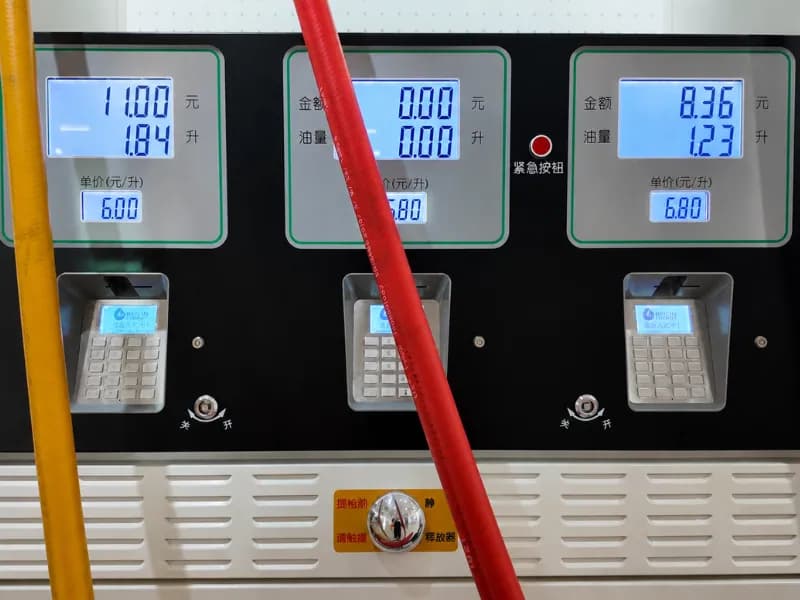
Fuel dispenser accuracy refers to the difference between the actual amount of fuel delivered and the amount shown on the display.
In simple terms:
Accuracy shows how close the measured fuel quantity is to the real delivered quantity.
For example:
If a fuel dispenser delivers 1,000 liters of fuel, an accuracy specification of ±0.30% means the measurement error should be within approximately:
±3 liters
The smaller the error range, the higher the measurement accuracy.
For gas station operators, accurate fuel measurement is important because even a small measurement difference can create significant losses over long-term operation.
2. Why Is Fuel Dispenser Accuracy Important?
Fuel dispenser accuracy affects several important aspects of gas station operation.
1. Reducing Fuel Loss
Fuel is one of the largest operating costs for a gas station.
A dispenser with poor accuracy may create measurement differences between:
- Fuel received from suppliers
- Fuel stored in tanks
- Fuel sold to customers
High accuracy helps operators better control fuel inventory.
2. Ensuring Fair Transactions
Fuel dispensers are directly related to customer transactions.
The displayed volume should accurately represent the actual fuel delivered.
Reliable measurement performance helps build customer confidence.
3. Meeting Local Regulations
Many countries have regulations for fuel dispensing equipment accuracy and calibration.
Before installation and operation, fuel dispensers may need to pass local inspection and verification requirements.
Need help selecting a fuel dispenser with suitable accuracy and configuration?
Contact our team with your project requirements.
3. What Does ±0.30% Accuracy Mean?
The specification:
Accuracy: ±0.30%
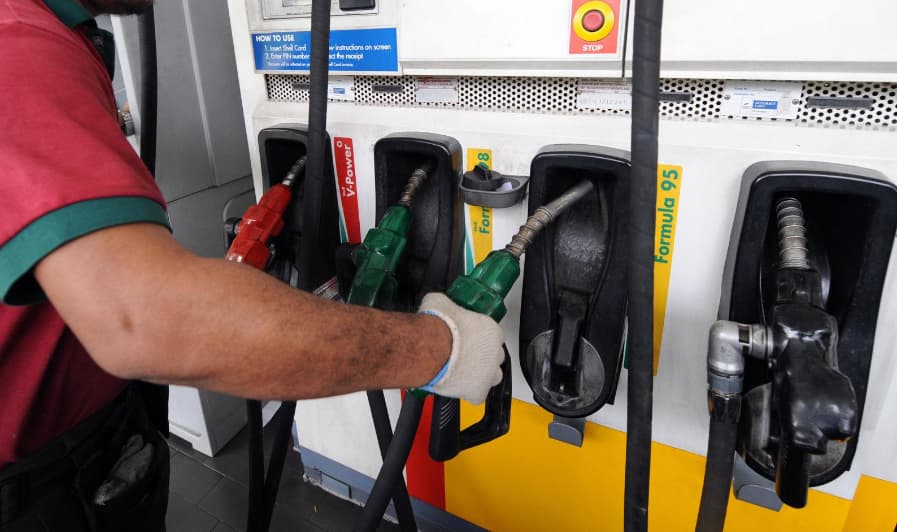
means that the measurement deviation is within 0.30% under specified testing conditions.
For example:
Actual delivered fuel:
1,000 liters
Possible measurement deviation:
±3 liters
This does not mean every transaction will have a 3-liter difference.
It represents the maximum allowable deviation under testing conditions.
Actual performance depends on:
- Flow meter condition
- Installation quality
- Fuel characteristics
- Operating environment
- Calibration condition
4. Accuracy vs Repeatability: What Is the Difference?
Accuracy and repeatability are related but different concepts.
Accuracy
Accuracy describes how close the measurement result is to the actual value.
Example:
The actual fuel quantity is 50 liters.
If the dispenser displays 50.1 liters, the accuracy is high.
Repeatability
Repeatability describes whether the dispenser can produce consistent results during repeated measurements.
For example:
Multiple tests under the same conditions should produce similar results.
A fuel dispenser may have:
Accuracy: ±0.30%
and
Repeatability: ±0.10%
A good fuel dispenser should have both high accuracy and stable repeatability.
5. How Does the Fuel Meter Affect Accuracy?
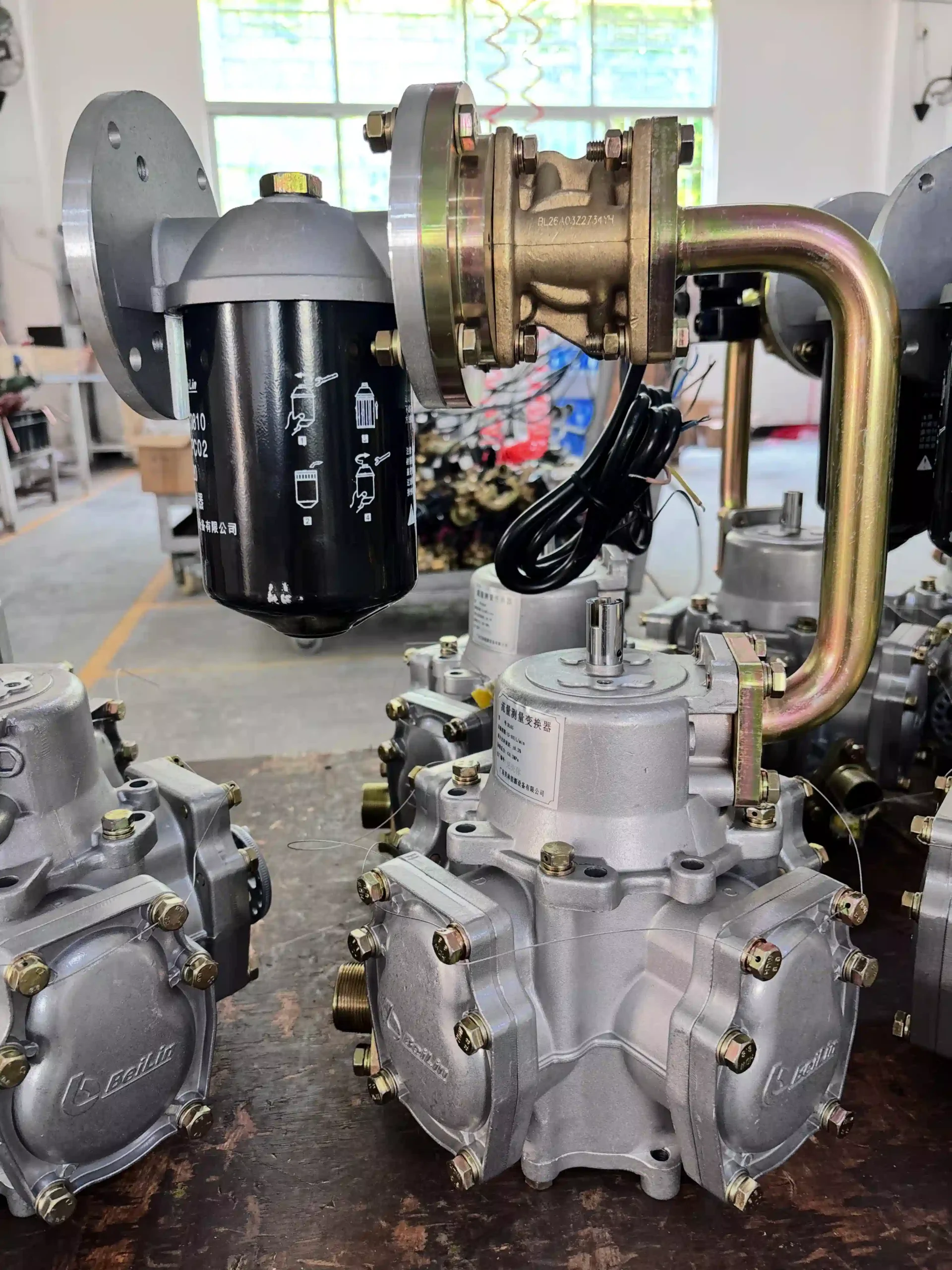
The flow meter is one of the most important components affecting fuel dispenser accuracy.
The fuel meter measures the amount of fuel passing through the system and sends measurement data to the control system.
Factors affecting meter performance include:
- Mechanical wear
- Internal component condition
- Fuel contamination
- Long-term operation
- Calibration status
A high-quality flow meter helps maintain stable measurement performance throughout the equipment lifespan.
6. What Factors Affect Fuel Dispenser Accuracy?
Although the flow meter is important, overall dispenser accuracy depends on the entire fuel delivery system.
Main factors include:
1. Flow Meter Performance
The flow meter must maintain accurate measurement during continuous operation.
2. Solenoid Valve Performance
The solenoid valve controls fuel flow and stopping accuracy.
Poor valve performance may affect the final delivered quantity.
3. Pump Pressure and Flow Stability
Unstable fuel supply pressure may influence measurement performance.
The fuel dispenser should work together with a suitable pumping system.
4. Installation Quality
Incorrect installation may affect equipment performance.
Important factors include:
- Pipe connection
- Electrical installation
- Grounding
- Equipment positioning
5. Regular Calibration
Regular inspection and calibration help maintain accurate measurement performance.
7. How Is Fuel Dispenser Accuracy Tested?
Fuel dispenser accuracy is usually verified through calibration and measurement testing.
Common testing methods include:
- Standard measuring containers
- Calibration equipment
- Flow testing
- Measurement verification
During testing, technicians compare:
- Actual fuel volume
- Displayed fuel volume
The difference is used to evaluate measurement accuracy.
8. Does Higher Flow Rate Affect Fuel Dispenser Accuracy?
Flow rate and accuracy are different specifications.
A higher flow rate does not automatically mean lower accuracy.
However, the fuel delivery system should be properly designed.
Factors that influence performance include:
- Flow meter capacity
- Pump capacity
- Pipe size
- Valve performance
- Fuel viscosity
For more information about fuel dispenser flow performance, read our guide:
9. How to Choose a High Accuracy Fuel Dispenser?
When selecting a fuel dispenser, buyers should consider more than just price.
Important specifications include:
Measurement Accuracy
Check the manufacturer’s accuracy specification.
Example:
±0.30%
Repeatability
A stable dispenser should provide consistent measurement results.
Flow Meter Quality
The measurement system should use reliable components.
Certification Requirements
The dispenser should meet the standards required in the destination market.
Manufacturer Experience
A professional supplier should provide:
- Technical support
- Product documentation
- Spare parts support
- After-sales service
10. Fuel Dispenser Accuracy in Our Products
Our fuel dispensers are designed for reliable fuel measurement and stable operation in different gas station applications.
Typical specifications include:
- Accuracy: ±0.30%
- Repeatability: ±0.10%
- Multiple nozzle configurations
- Different flow rate options
- Different power supply options
The suitable model depends on:
- Number of nozzles
- Fuel products
- Required flow rate
- Pumping system
- Power supply
- Local requirements
11. What Information Should You Provide When Selecting a Fuel Dispenser?
To recommend a suitable fuel dispenser, customers can provide:
- Gas station type
- Number of dispensers required
- Number of nozzles
- Fuel products
- Required flow rate
- Power supply
- Pumping system
- Destination country
- Local standards
With this information, the dispenser configuration can be evaluated more accurately.
Need Help Choosing a Reliable Fuel Dispenser?
Choosing the right fuel dispenser is not only about price.
Measurement accuracy, flow performance, equipment configuration and long-term reliability are all important factors.
If you are planning a gas station project or looking for a suitable fuel dispenser supplier, contact us with your project requirements.
Our team can help recommend a suitable fuel dispenser solution.