
How Profitable Is a Gas Station? Revenue, Margins & Why Higher Fuel Prices Do Not Mean Bigger Profits (2026)
News 2026年 10月 26日 50
Today, let’s dig into why higher fuel prices at gas stations often lead to lower profits—and identify what exactly is siphoning off those earnings.
Can investing in a gas station still be profitable in 2026? Many novice investors operate under a common, yet mistaken, assumption: that higher fuel prices automatically mean greater profits for the station. For independent gas station operators, however, the reality is often the exact opposite. Understanding gas station profitability requires looking beyond fuel prices and examining margins, operating costs and inventory losses.
Fuel retail is a high-turnover, low-margin business. The price you see on the pump is only the final retail tag; the profit left for the station owner depends on the gap between the wholesale supply cost and the selling price. This spread can shrink sharply during global oil market shocks, even as the number on the pump rises.
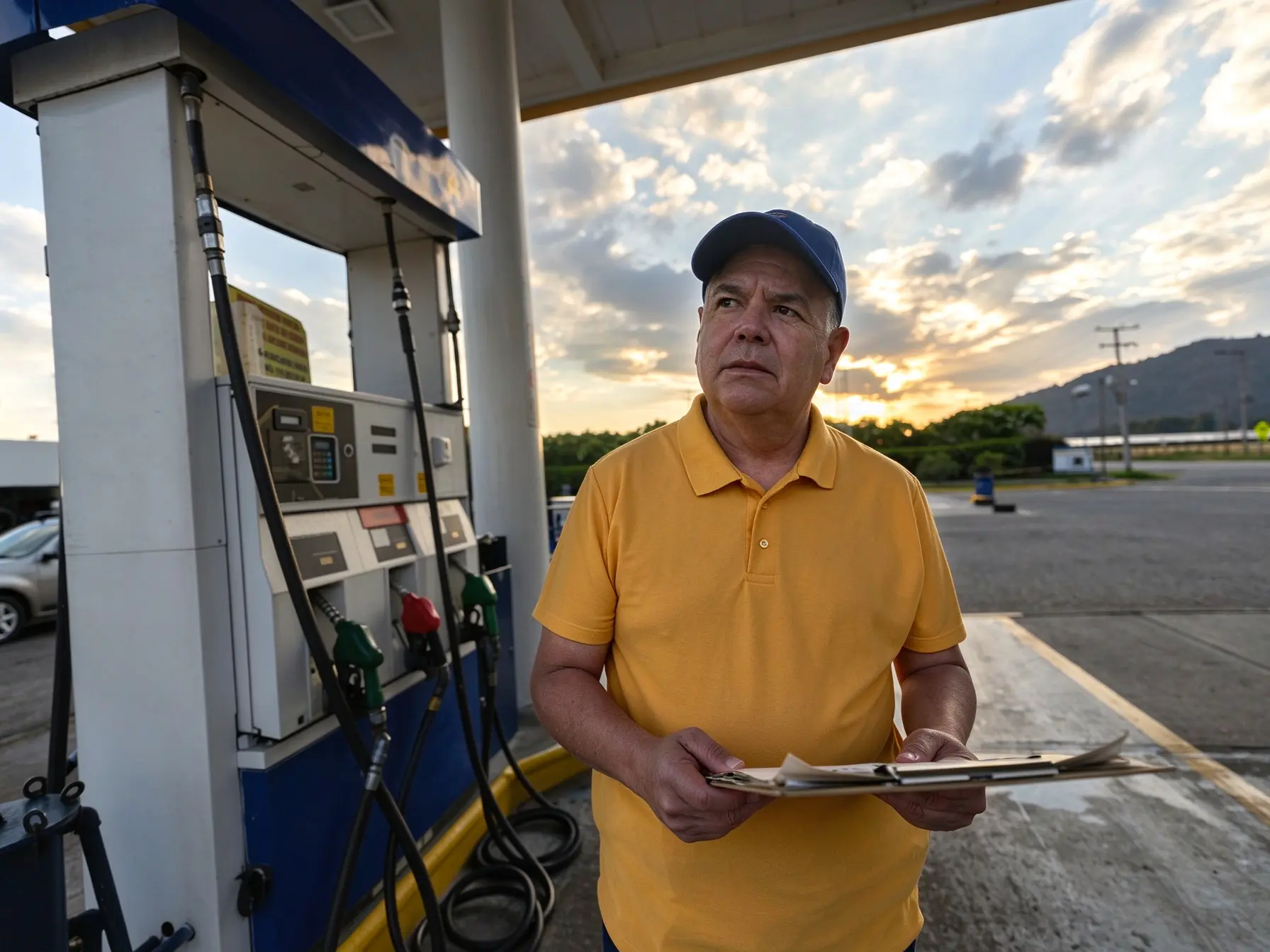
1. What Drives Crude Oil Price Spikes?
Most rapid fuel price movements trace back to global crude markets. Several major factors push crude higher and squeeze retail margins:
- Geopolitical conflict and regional warfare that disrupt oil production, export routes or tanker movement.
- Chokepoint shipping risks such as Red Sea transit disruptions, adding freight premiums, insurance surcharges and delivery delays.
- OPEC+ production cuts, which intentionally limit supply to support benchmark crude prices.
- US dollar exchange rate swings. Since crude oil is traded in USD, local currency depreciation automatically raises landed fuel costs for importers in Nigeria, Kenya, Pakistan, Indonesia, the Philippines and Vietnam.
The key problem for station owners: wholesale fuel prices move up much faster than retail pump prices. Governments in many target markets enforce fuel price caps, subsidies or scheduled price adjustment windows. When crude jumps overnight, regulators often delay retail price hikes to shield local consumers. The station absorbs most of that cost gap temporarily. Even in fully liberalised markets, local wholesalers pass cost increases immediately, while retailers hesitate to raise pump prices too fast for fear of losing customers to competitors.
When crude falls quickly, the opposite risk appears: inventory loss. Fuel bought at a high wholesale price sits in underground tanks while market prices drop. The station must sell expensive stock at a lower pump price and book a direct loss. This is one of the quietest cash-flow killers for new operators.
2. Four Core Revenue Streams of a Gas Station
A full-service gas station usually has four income sources, each with vastly different margin profiles.
- Fuel Sales (Petrol & Diesel) – Main revenue, thin marginFuel often accounts for 70%–90% of total station turnover, yet it delivers the smallest gross margin. For most independent operators in our target markets, fuel gross markup commonly sits at $0.02–$0.08 per litre. After deducting credit fees, shrinkage, logistics, storage loss and staff allocation, the net fuel margin can drop below 2%. This margin band is not fixed; it compresses heavily during crude price rallies.High throughput is the only way to make fuel sales meaningful. A station selling 15,000 litres per day at $0.04 net margin only earns $600 daily net from fuel before fixed overheads. Low-volume rural mini stations may barely cover forecourt running costs with fuel income alone, especially in a high crude cycle.
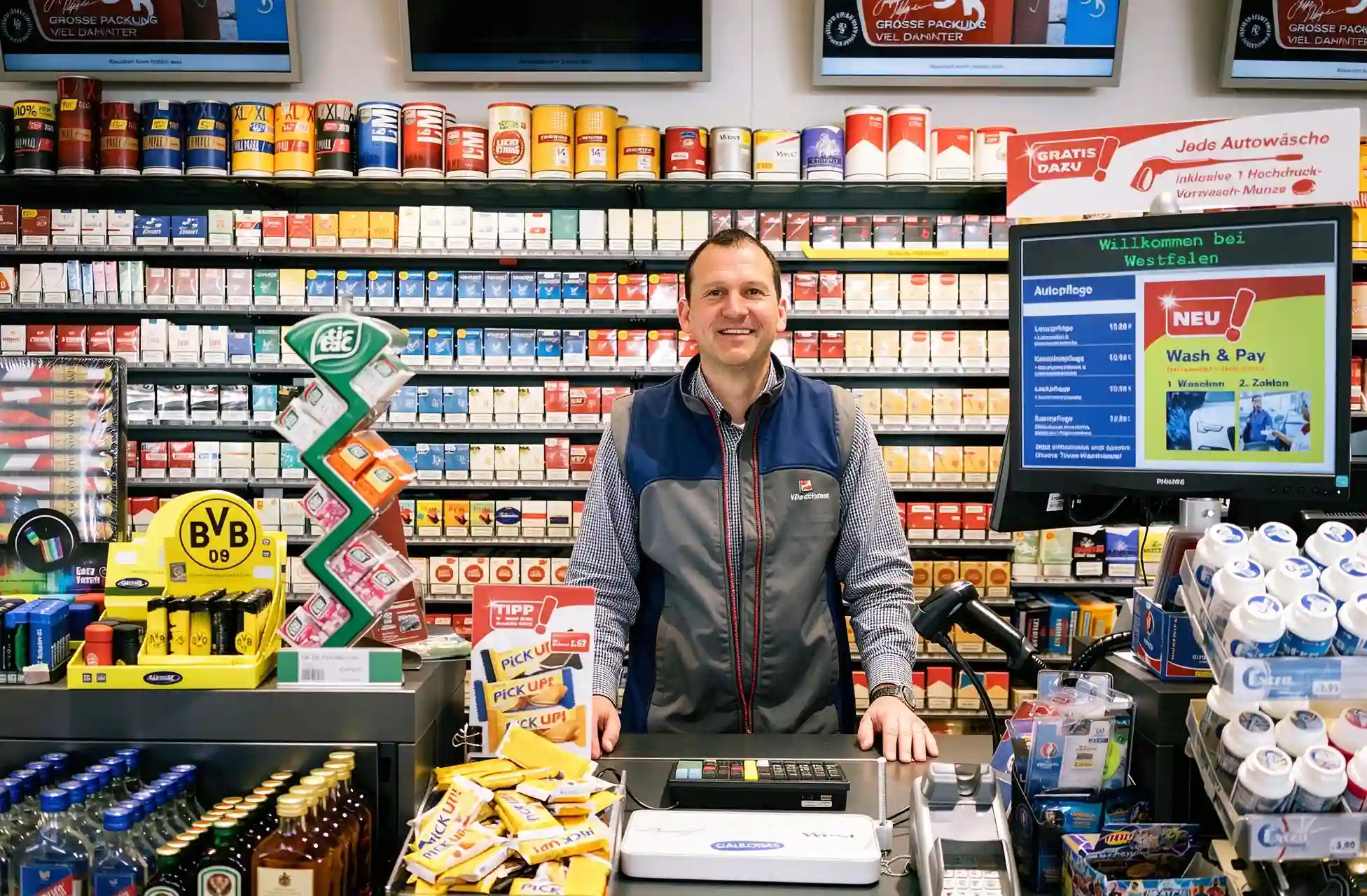
- Convenience Store – The main profit engineThe c-store typically makes up just 10%–30% of total revenue but can deliver 60%–75% of total gross profit. Snacks, bottled drinks, packaged food, cigarettes, phone top-up and basic groceries carry gross margins of 25%–45%. This income stream becomes far more critical during crude upcycles when fuel margins get crushed. It is the biggest buffer against global oil volatility.
- Car Wash & Service Add-onsManual or automatic car wash, tyre inflation, lubricant sales and minor vehicle services are high-margin add-ons. A steady car wash service can bring stable recurring profit without large extra fuel inventory pressure. Gross margins for car wash services often reach 40%–60%. These services are insulated from crude oil price swings.
- Passive Auxiliary IncomeATM rental, bill payment agency, advertising billboard rental, solar power export and supplier display commissions are smaller but low-risk passive revenue. These items add steady cash flow with limited extra labour and inventory burden.
Core rule for investors: Fuel brings cars into your site; the store and services make you money, especially during periods of expensive crude.
3. Fixed Costs vs Variable Operating Costs
To calculate real profit, investors must separate fixed overheads from variable costs tied to fuel sales.
Fixed monthly costs (you pay these even with low sales)
- Land rent or land loan repayment
- Permanent staff salaries (attendants, supervisor, security)
- Insurance, safety compliance & environmental monitoring fees
- ATG, leak detection, lighting, canopy maintenance
- Generator fuel and routine equipment servicing
- Software, permits renewal and accounting
Variable costs (rise and fall with fuel sales volume and crude prices)
- Wholesale fuel purchase cost (the largest line item, directly linked to global crude)
- Transport & haulage for fuel delivery
- Card processing / mobile payment commission
- Fuel shrinkage, evaporation and tank calibration losses
- Disposable retail packaging, shop inventory restock
- Extra casual labour during peak hours
A common mistake is calculating profit only using the per-litre fuel markup, ignoring that fixed costs continue accruing during slow seasons or compressed-margin crude cycles. A reliable gas station management system can help operators monitor sales and operating performance.
4. Margin Benchmarks by Station Type (Target Markets: Africa & Southeast Asia)
These ranges are for independent operators, not branded franchise stations with locked supplier agreements. All margins are softer and can fall toward the lower end when crude prices spike sharply.
- Mini gas station (rural, no convenience store): Total gross margin: 4%–8%. Net margin after all operating expenses: 1%–3%. Highly volume-sensitive; profitability depends entirely on consistent fuel throughput. It struggles the most during crude rallies.
- Standard independent station (forecourt + small convenience store): Total gross margin: 10%–18%. Net margin: 4%–7%. This is the most balanced, investable model for most towns and suburban roads because retail profits offset thin fuel spreads.
- Large branded full-service station (c-store + car wash + rest area): Total gross margin: 15%–25%. Net margin: 6%–10%. Brand contracts often restrict fuel suppliers and retail pricing, which can cap upside margin even with high traffic.
Important: Branded stations may have higher customer trust and stable supply, but franchise rules, mandatory equipment sourcing and brand audit fees can eat into final net profit.
5. Break-Even Example (Standard Independent Station, Illustrative Only)
Example assumptions for a town station in a mid crude price environment:
- Monthly fixed costs: $8,500
- Weighted average overall gross margin (fuel + small shop): 12%
Break-even monthly revenue = $8,500 ÷ 0.12 ≈ $70,833. If average fuel selling price is $1.00/L, the site roughly needs to sell ~70,800 litres per month just to hit break-even.
When crude surges and fuel margins shrink, your weighted gross margin falls. That same station will need to sell far more litres every month just to break even. If monthly fuel sales drop far below this threshold, the station runs negative cash flow even though every litre sold shows a small positive markup.
This explains why location and daily throughput are the two most critical feasibility variables before construction, alongside crude market risk. Before investing, review the potential cost to build a gas station and compare it with your expected sales volume.
6. Typical ROI & Payback Period Expectations
Payback is not fixed; it shifts with land ownership and oil market cycles. These factors are essential when evaluating gas station profitability:
- Land leased (most common for new investors): Realistic payback window: 4–7 years for a well-located standard station under stable crude conditions. Poor location, price wars, supply instability or a prolonged high-crude cycle can push payback beyond 8–10 years or turn the project unviable.
- Land fully owned (no monthly land payment): Payback usually shortens to 3–5 years. This is the most favourable structure for stable returns and better ability to survive crude price shocks.
- Mini rural station without retail shop: Payback 6–10 years, lower upside, less capital risk but very vulnerable to fuel margin compression.
A very busy highway station with strong c-store performance can hit faster payback, but these high-traffic plots are rare, competitive and expensive to acquire. Never rely on vendor-supplied optimistic sales forecasts alone. Always build three scenarios: conservative, base case and high-case sales volume, and also stress-test the model for a high-crude margin squeeze scenario.
7. Major Profitability Risks for New Fuel Retail Investors
- Crude price volatility & fuel margin compression (Top Risk): Geopolitical events, shipping disruptions and OPEC cuts lift wholesale costs faster than retail prices can adjust. Your per-litre spread shrinks. Fast crude drops create inventory losses.
- Regulatory and compliance cost creep: New environmental inspections, tank testing, safety audits and licence renewal fees can add unexpected annual costs. Poor leak detection maintenance can trigger heavy fines.
- Fuel shrinkage & inventory loss: Temperature change, pipe leakage, calibration error and theft directly erase fuel profit. ATG automatic tank gauging is not optional for serious inventory control, especially in volatile price cycles. Learn more about fuel theft and inventory loss and how it affects station earnings.
- Power instability & generator running cost: In Nigeria, Pakistan and many remote areas, generator fuel consumption becomes a permanent, heavy overhead that eats into already tight margins.
- Overbuilding beyond real demand: Building a large station with many dispensers, big canopy and oversized tanks for a low-traffic location locks you into high fixed costs with insufficient turnover. When fuel margins shrink, this becomes fatal.
- Franchise contract lock-in: Branded agreements may oblige you to buy fuel only from nominated suppliers, removing your ability to shop for better wholesale pricing during market swings.
- Cash-flow mismatch: You pay suppliers for fuel upfront, while retail sales happen day-by-day. Working capital shortages can kill an otherwise profitable station, especially during expensive crude cycles when each fuel delivery costs much more.
8. Practical Ways to Improve Station Profitability
These operational and layout choices you can plan at the design & equipment procurement stage to defend profit during crude shocks:
- Prioritise convenience retail layout from day one, even if you phase construction. Leave retail space reserved as your margin buffer.
- Install ATG leak & inventory monitoring to reduce unknown shrinkage losses and track inventory value through price swings. An automatic tank gauging system can help operators monitor tank inventory and identify discrepancies.
- Match dispenser count and pump configuration to realistic daily throughput; avoid over-investing in excess pumps. Proper fuel dispenser installation and equipment planning should match the station’s actual operating needs.
- Negotiate flexible fuel supply contracts with multiple qualified suppliers where local law allows.
- Add low-labour high-margin services: car wash, lubricant rack, digital payment collection points.
- Optimise power system: size generator correctly, consider solar hybrid setups for long-term electricity cost saving.
- Track KPIs monthly: litres per day, c-store sales per fuel customer, gross margin, shrinkage rate and fixed cost ratio. Run margin stress tests for high crude scenarios.
9. FAQ
Q1: Why do fuel prices go up but my fuel margin gets smaller?
A: Crude oil, freight and wholesale fuel costs rise rapidly due to geopolitical risk, supply cuts or currency devaluation. Retail pricing is often delayed by government regulation or competitive pressure. The wholesale cost jumps first while retail selling price catches up slowly, squeezing your per-litre spread.
Q2: Can I make good money only selling fuel without a convenience store?
A: It is possible only at very high throughput sites. Pure fuel forecourts have razor-thin margins and are extremely vulnerable to price competition and crude market shocks. For most rural and suburban investors, adding retail space is strongly recommended.
Q3: Does a branded station always earn more profit than an independent one?
A: Not automatically. Brands bring supply stability and customer trust, but mandatory supplier rules, branding fees and audit requirements can limit margin flexibility. Compare the full contract before deciding.
Q4: What is the single most important KPI to forecast before building?
A: Daily fuel throughput (litres per day). Every financial model, break-even and ROI calculation hinges on this number, together with crude market risk. Land cost comes second.
Q5: How does ATG equipment help profitability, not just compliance?
A: ATG tracks inventory in real time. It reveals shrinkage, leakage and delivery discrepancies that would otherwise quietly eat your fuel profit over months. It also lets you know the real value of your tank stock when crude prices move rapidly.
Q6: Should I hold extra working capital even after construction finishes?
A: Yes. A station needs enough operating cash to cover fuel purchases for 2–4 weeks, before revenue cycles stabilise. This requirement becomes much larger during high crude price periods, when each consignment costs more. Underfunded working capital is one of the top reasons new fuel stations struggle.
10. Discuss Your Station Financial Feasibility with Us
If you are comparing locations or preparing a feasibility study before construction, our team can support you with equipment planning matched to your sales forecast and crude-cycle risk planning.
Xingzhongyuan (Quanzhou) Energy Co., Ltd supplies fuel dispensers, submersible pumps, double-wall tank systems, ATG inventory gauging, piping and safety accessories for independent fuel stations across Africa and Southeast Asia. Learn more about our fuel station equipment supply chain services.
Share these details for a feasibility-aligned equipment proposal:
- Target country and town
- Planned station type: mini / standard independent / branded full service
- Estimated daily fuel sales (litres/day)
- Whether you plan to add convenience store, car wash
- Land status: leased or owned
We will help you select a cost-effective equipment package that fits your volume target and keeps fixed maintenance costs controlled. Please get in touch with us.
Disclaimer: Profitability Estimates 2026
All margin, revenue, break-even and payback figures in this guide are planning benchmarks only. They are not guarantees of profit, investment returns or tax-compliant financial statements. Fuel spreads are heavily impacted by crude oil cycles, geopolitical risk, local price regulation, taxation, competition and supplier contracts. Every investor must complete a site-specific feasibility study, verify fuel wholesale terms with local suppliers and confirm licensing, environmental and safety obligations.