
Buying Fuel Station Equipment from China: 7 Things International Buyers Should Check
News 2026年 11月 5日 11
China is an important sourcing market for fuel station equipment, offering a wide range of products, manufacturers and supply chain resources.
However, buying fuel station equipment from China involves more than comparing prices. International buyers need to consider technical specifications, equipment compatibility, quality control, shipping and after-sales support.
Whether you are an EPC contractor, fuel station operator or equipment distributor, here are seven practical points to check before placing an order.
1. Define Your Equipment Requirements First
Before contacting suppliers, prepare a clear list of the equipment your project requires.
For example:
- Fuel dispensers and spare parts
- Underground fuel storage tanks
- Fuel piping systems
- Automatic tank gauging systems
- Tanker unloading equipment
- Safety and environmental protection equipment
Also confirm the fuel type, required quantities, technical specifications and project location.
A clear equipment list helps suppliers provide more accurate quotations and reduces unnecessary communication.
2. Understand Your Supplier’s Capabilities
Not every supplier has the same business model.
Some companies manufacture their own products, while others source equipment from multiple factories.
Both models can be useful, depending on your project requirements.
Before choosing a supplier, check:
- Product range and sourcing capabilities
- Manufacturing or supply chain experience
- Technical documentation
- Quality control procedures
- Export experience and communication
If your project involves several equipment categories, working with a supplier who can coordinate multiple product resources may simplify procurement.
3. Compare Technical Specifications, Not Just Prices
Two fuel dispensers may look similar but have different internal components and technical configurations.
When comparing quotations, check important specifications such as:
- Flow rate
- Motor power and voltage
- Metering accuracy
- Pump configuration
- Materials and connection sizes
- Operating temperature range
Ask suppliers to provide technical datasheets and confirm that the quoted configuration matches your requirements.
For more information, see our guide to fuel dispenser system design.
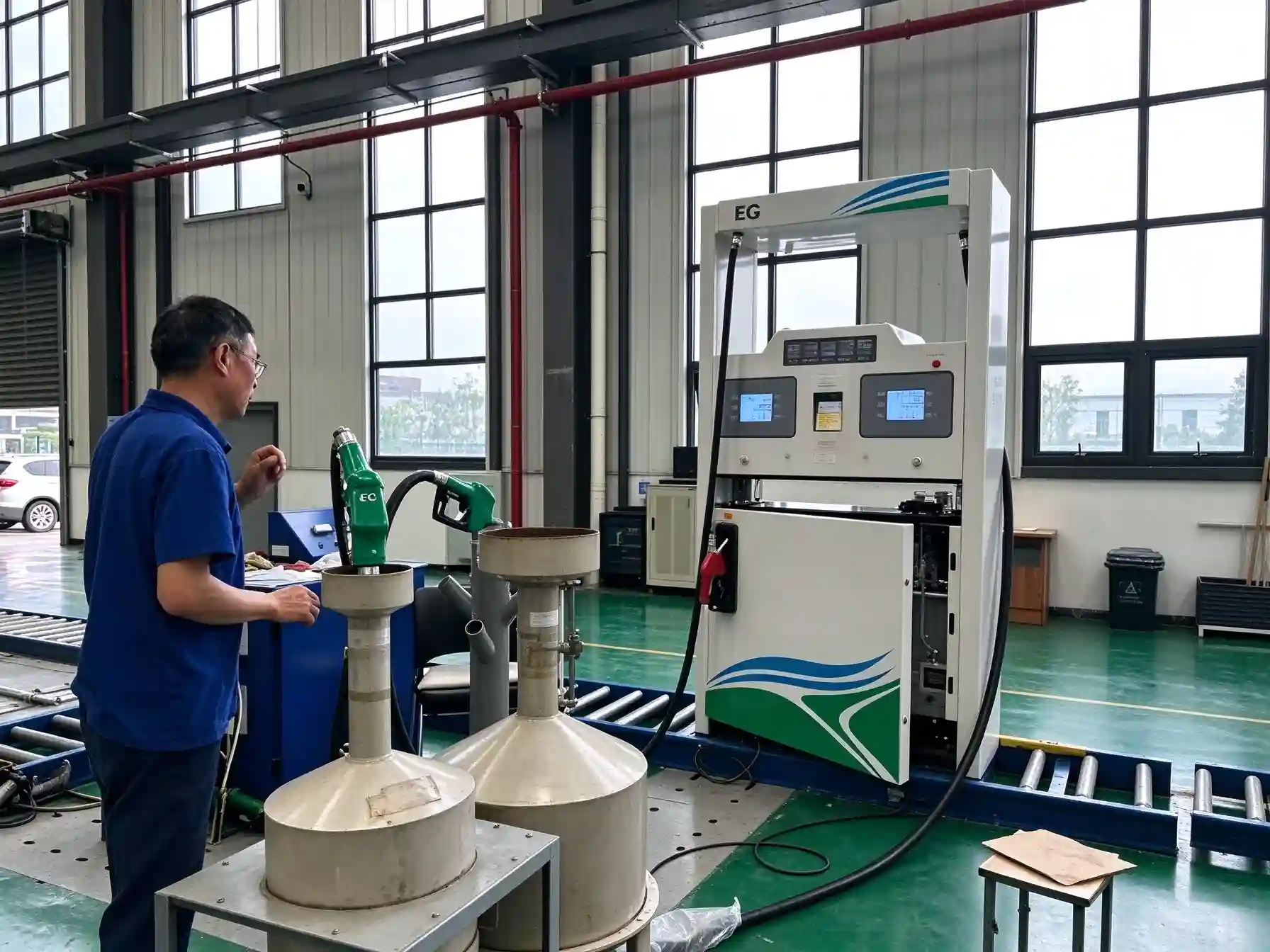
4. Check Compatibility Between Different Equipment
This is particularly important when buying equipment from multiple manufacturers.
For example, a fuel dispenser, underground tank, piping system and monitoring equipment must work together properly.
Before ordering, confirm:
- Pipe diameter and connection standards
- Valve and adaptor dimensions
- Pump and dispenser configurations
- Tank dimensions and sensor installation requirements
- Electrical power and control requirements
Do not assume that products are compatible simply because they are designed for fuel station applications.
5. Verify Certificates and Export Documents
Certification requirements vary between countries and product categories.
Depending on your destination market, you may need to check applicable standards, product certificates, test reports and local import requirements.
Common export documents may include:
- Commercial Invoice
- Packing List
- Bill of Lading
- Certificate of Origin, where required
- Product technical documentation
For fuel dispenser certification considerations, read our Fuel Dispenser Certifications Guide.
Always confirm local regulatory requirements before placing an order.
6. Arrange Quality Inspection Before Shipment
Pre-shipment inspection helps identify problems before equipment leaves the factory.
Depending on the product, buyers can check:
- Product models and quantities
- Appearance and workmanship
- Technical specifications
- Accessories and spare parts
- Packaging and shipping marks
For customized equipment, confirm drawings, dimensions and technical details before production.
Keeping inspection records and product photos can also help when handling delivery or quality issues later.
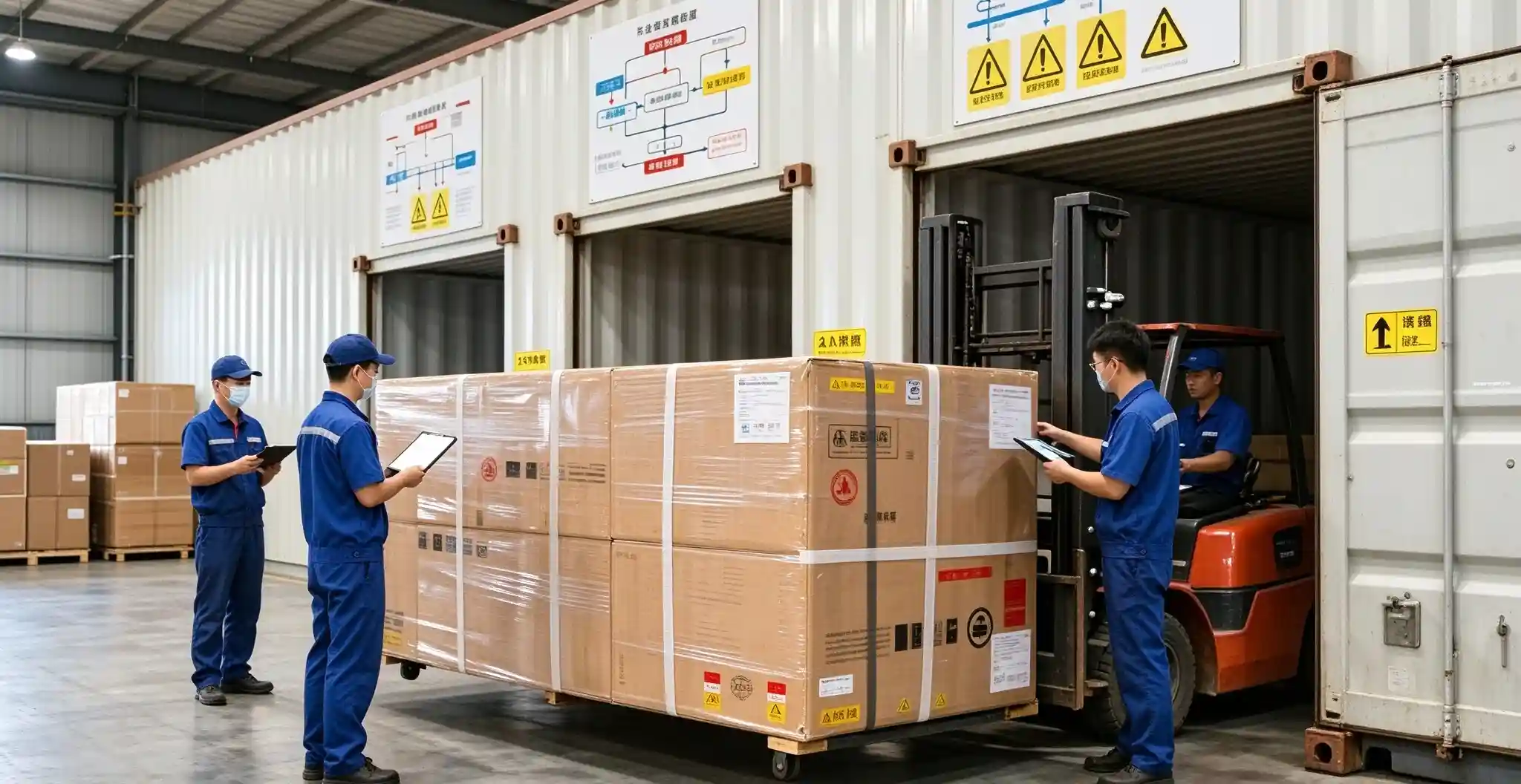
7. Calculate the Total Purchasing Cost
The lowest equipment quotation does not always mean the lowest overall purchasing cost.
When buying fuel station equipment from China, consider:
- Equipment prices
- Packaging costs
- Inland transportation in China
- International freight
- Customs duties and local charges
- Spare parts and after-sales support
Also clarify the delivery terms, payment schedule, warranty conditions and responsibilities of each party.
For buyers planning a complete new station, our guide to the cost of building a gas station provides additional project cost considerations.
Final Thoughts
Successful equipment procurement requires more than finding a competitive supplier. Buyers need to understand product specifications, verify compatibility, check documentation and plan the entire purchasing process.
For international fuel station projects, coordinating different equipment categories can also make procurement more manageable.
At Xingzhongyuan (Quanzhou) Energy Co., Ltd., we focus on fuel station equipment supply chain coordination, helping international clients source equipment and organize their project requirements from China.
If you are planning a fuel station project or comparing equipment options, you can contact our team to discuss your requirements before making purchasing decisions.