
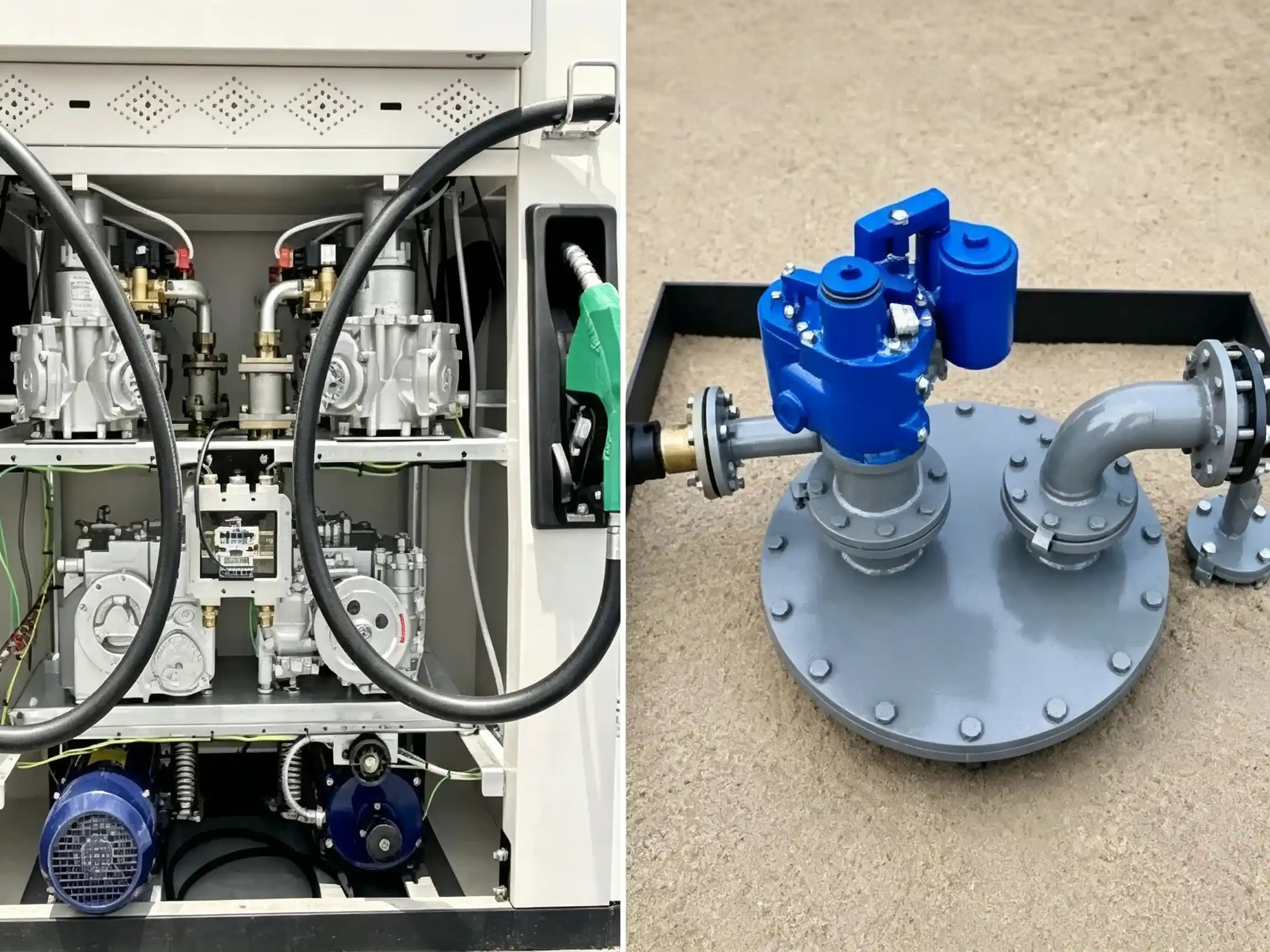
Submersible Pump vs Suction Pump: Why Modern Gas Stations Choose Submersible Systems
News 2026年 8月 31日 88
When building or upgrading a fuel station, one critical decision can affect fuel delivery stability, fueling speed, maintenance, and future expansion: should you use a submersible pump system or a suction pump system? Although suction pumps are still used for tiny station projects, 90% of new professional gas stations worldwide adopt submersible pump solutio…
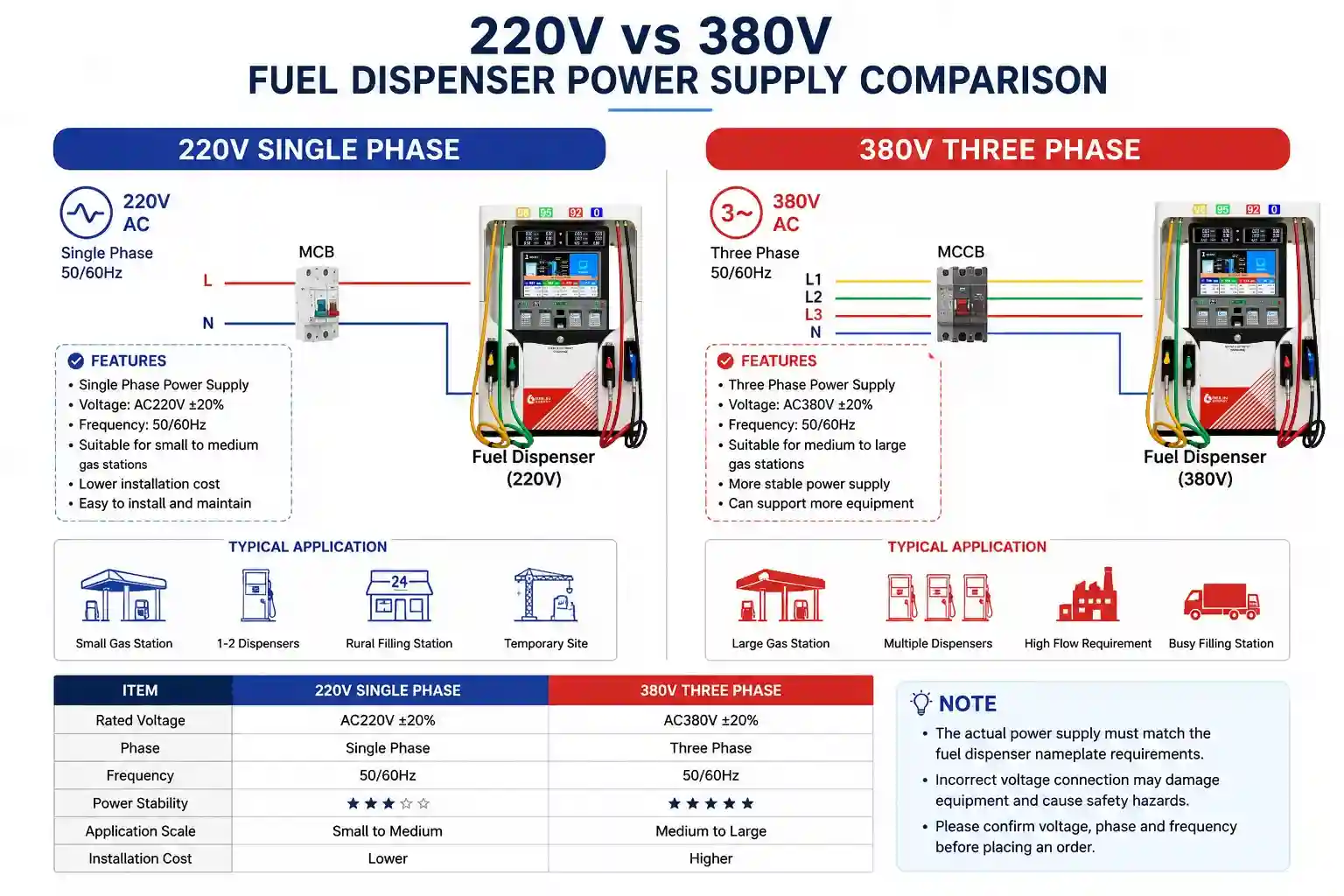
Fuel Dispenser Voltage: 220V vs. 380V, Which Should You Choose?
News 2026年 8月 29日 34
Choosing the correct power supply is an important part of selecting a fuel dispenser for a gas station project. When purchasing fuel dispensers, buyers may encounter specifications such as AC220V and AC380V. However, voltage is only one part of the electrical requirements. The correct choice depends on the local power grid, single-phase or three-phase supply…
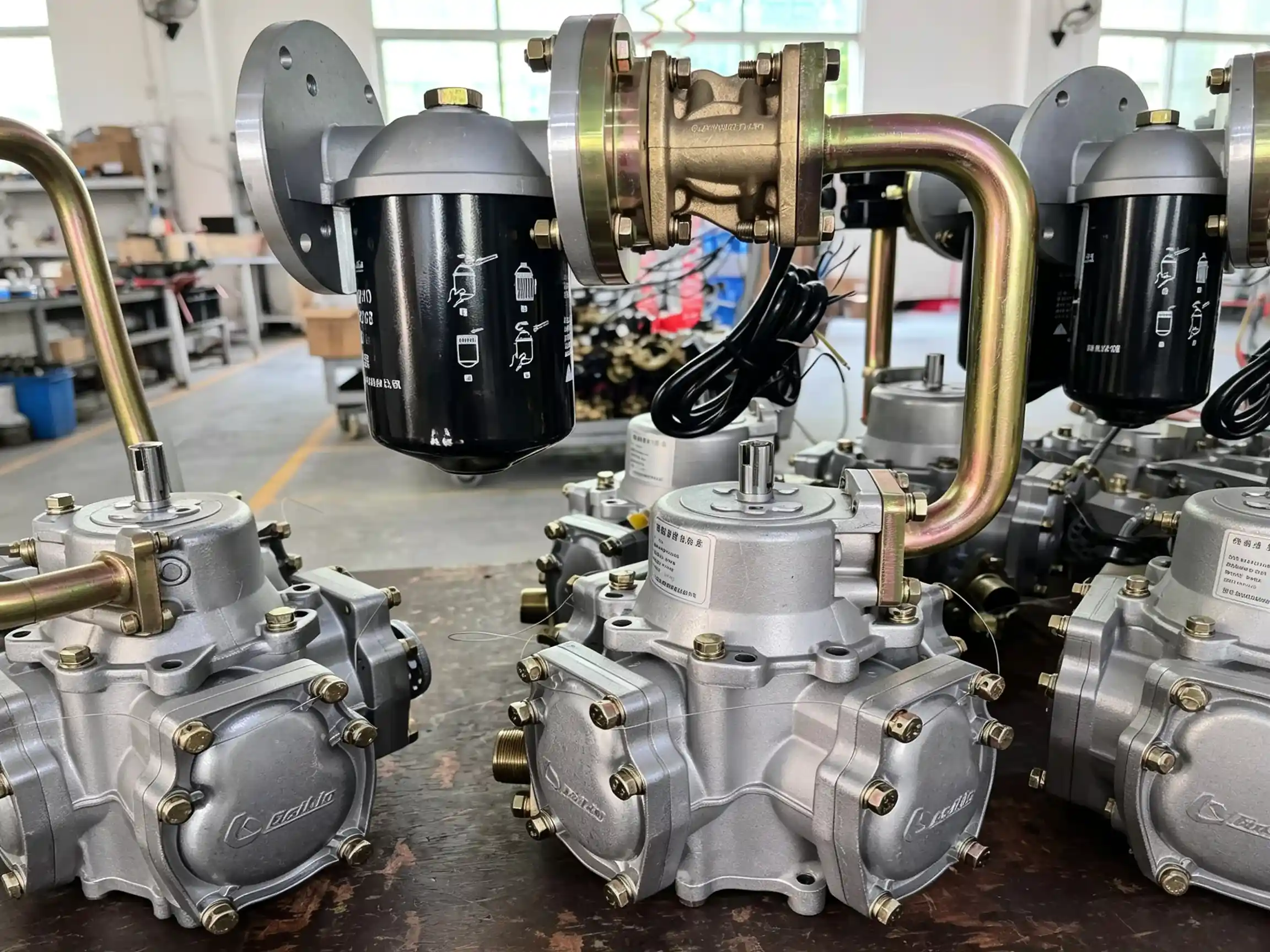
Fuel Dispenser Accuracy: What Does ±0.30% Mean?
News 2026年 8月 28日 79
Fuel dispenser accuracy is one of the most important performance factors when selecting equipment for a gas station. Although many buyers focus on fuel dispenser price, nozzle quantity or flow rate, measurement accuracy directly affects daily operation, fuel management and customer trust. A fuel dispenser with high measurement accuracy helps ensure that the …
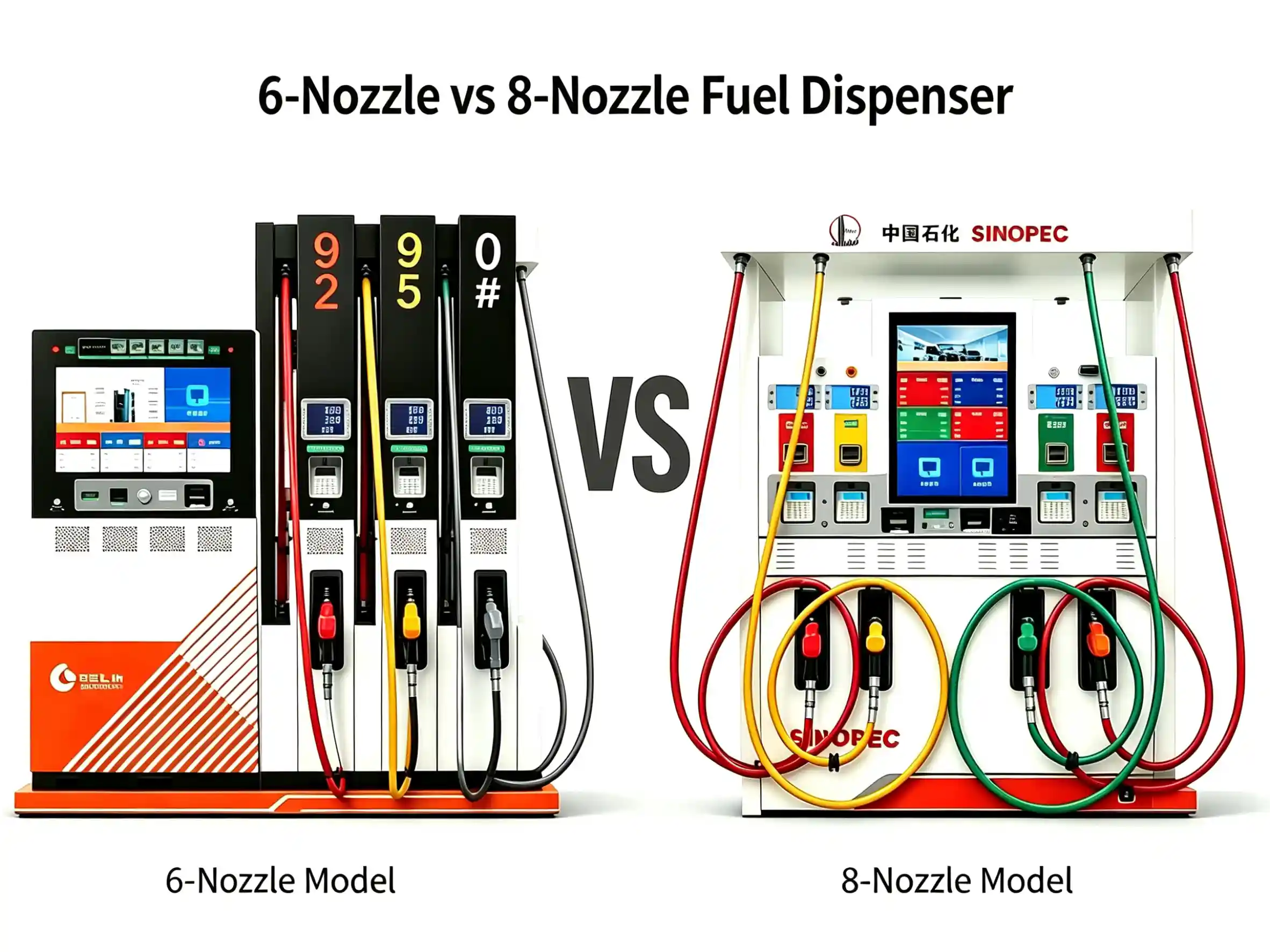
6-Nozzle vs. 8-Nozzle Fuel Dispenser: Which Is Right for Your Gas Station?
News 2026年 8月 27日 74
Choosing the right fuel dispenser configuration is an important decision when building a new gas station or upgrading an existing fueling station. One of the most common questions is whether to use a 6-nozzle or 8-nozzle fuel dispenser. The answer depends mainly on the number of fuel products, required fueling positions, station layout, expected traffic and …
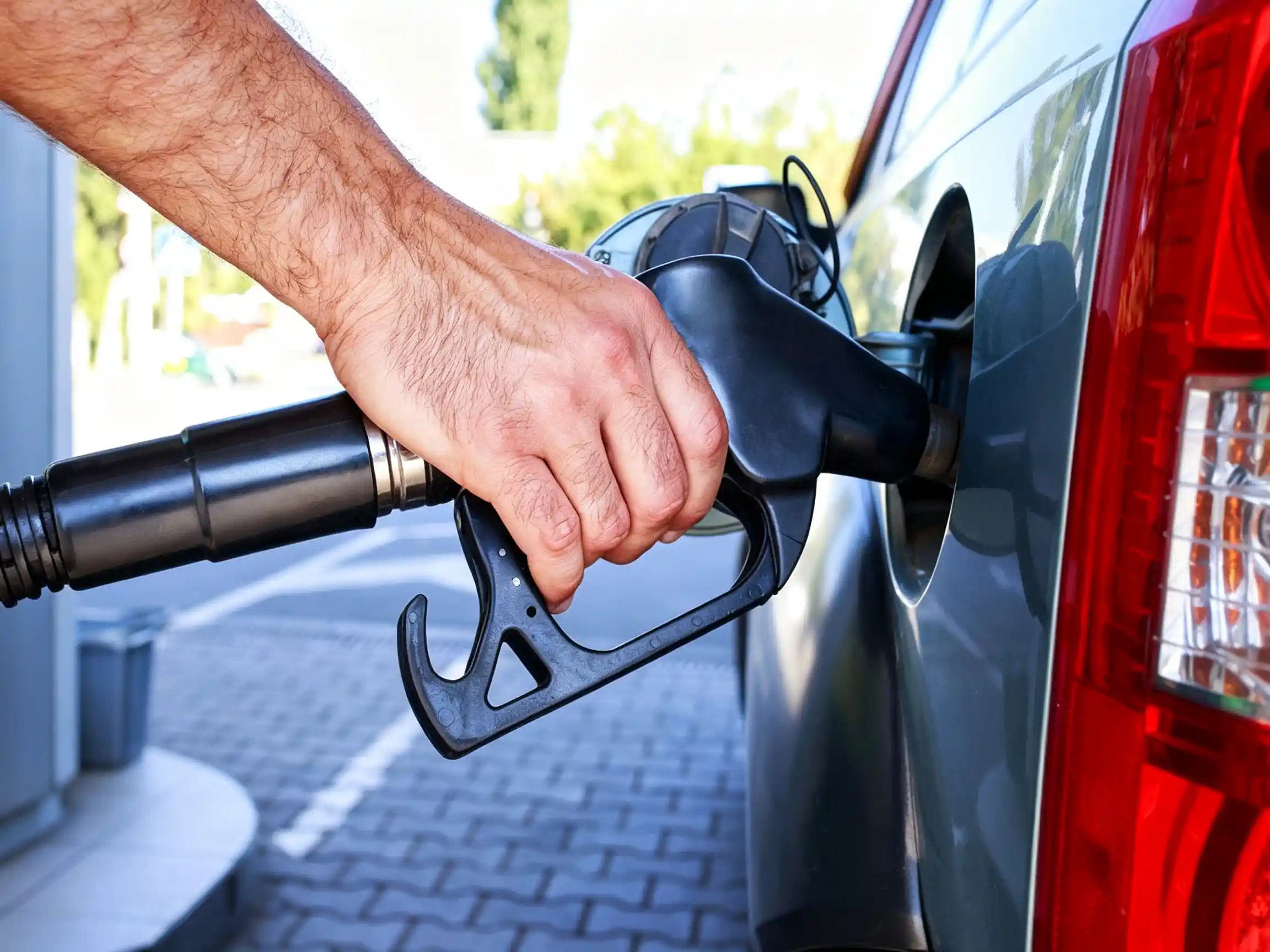
Fuel Dispenser Flow Rate: How to Choose the Right L/min for Your Gas Station
News 2026年 8月 26日 103
Fuel dispenser flow rate is one of the key specifications to consider when planning or upgrading a gas station. It directly affects fueling speed, customer experience and the matching of the dispenser with the underground fuel delivery system. Common fuel dispenser flow rates include 40 L/min and 50 L/min, while some equipment is designed for higher flow app…
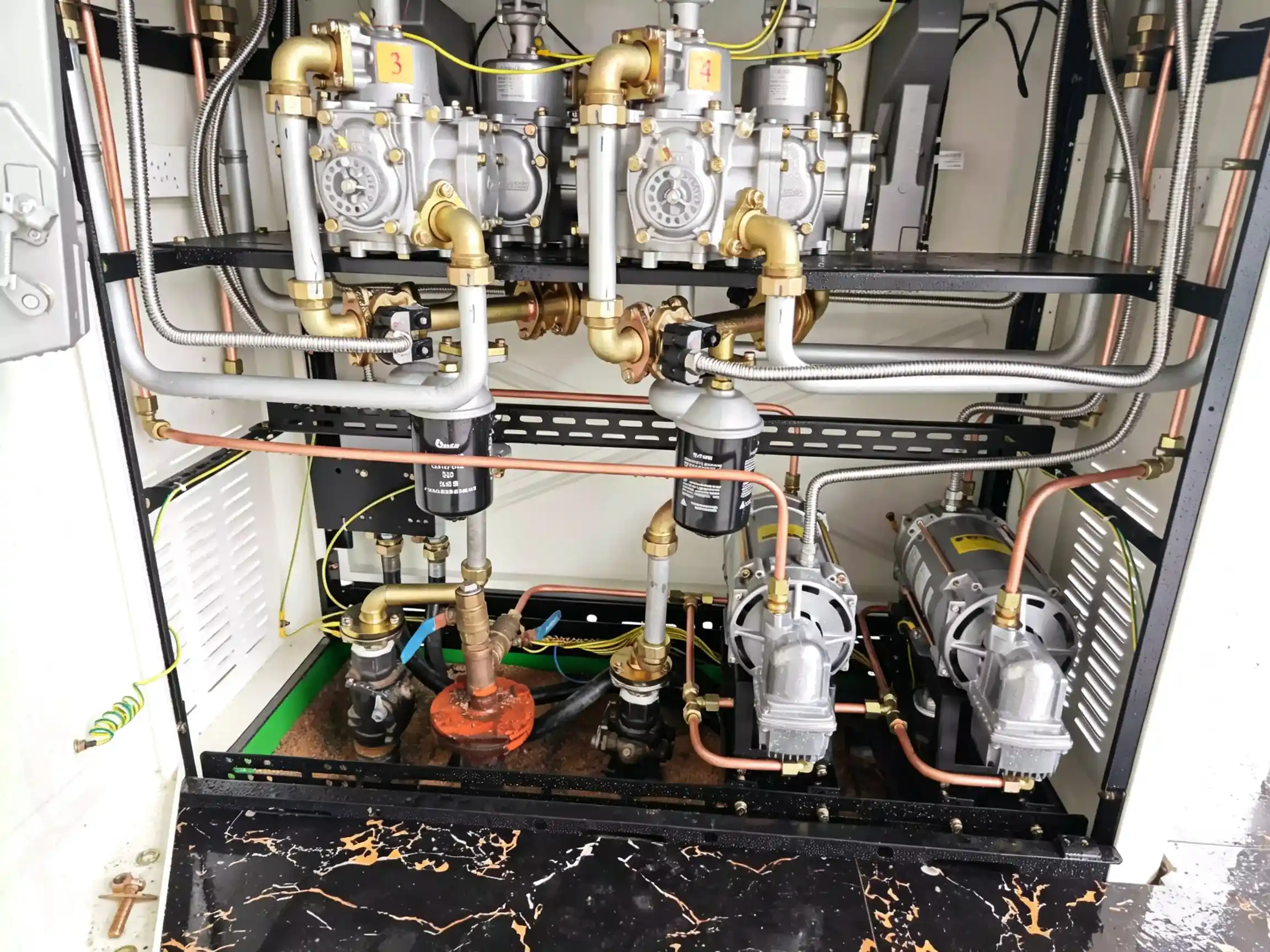
Fuel Dispenser Installation and Layout Requirements for Gas Stations
News 2026年 8月 25日 120
A fuel dispenser is one of the most visible pieces of equipment at a gas station, but its installation is closely connected with the underground fuel system, electrical system, vapor recovery system and overall station layout. A properly selected and installed fuel dispenser should not only meet the required fuel flow and nozzle configuration, but also work …
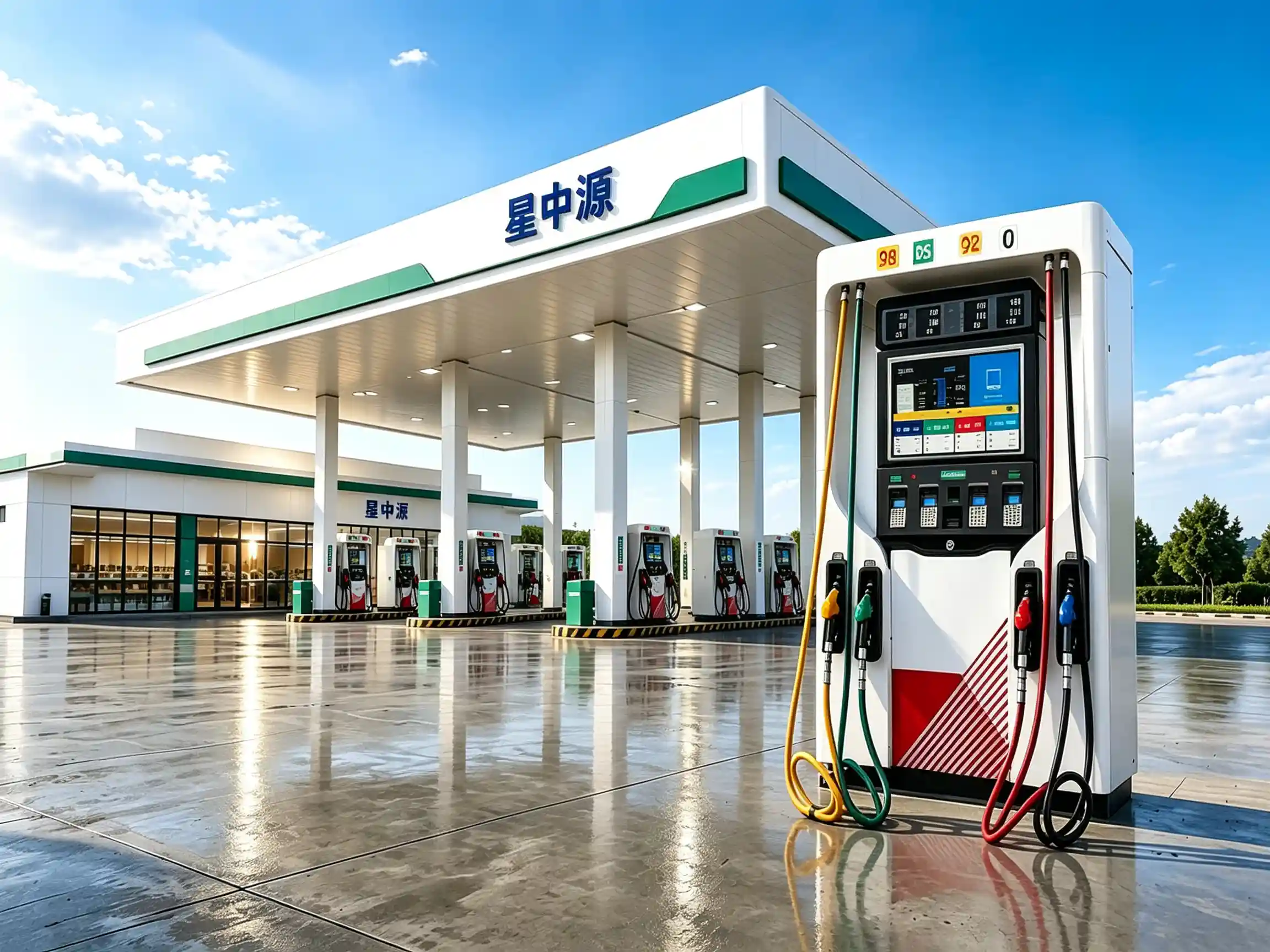
How to Choose the Right Fuel Dispenser for a Gas Station Project
News 2026年 8月 24日 34
Choosing the right fuel dispenser is an important decision when building or upgrading a gas station. A fuel dispenser is not simply selected by appearance or price. The correct model should match the station’s fuel types, number of nozzles, expected fueling demand, underground piping system, power supply, pump configuration and local operating requirem…
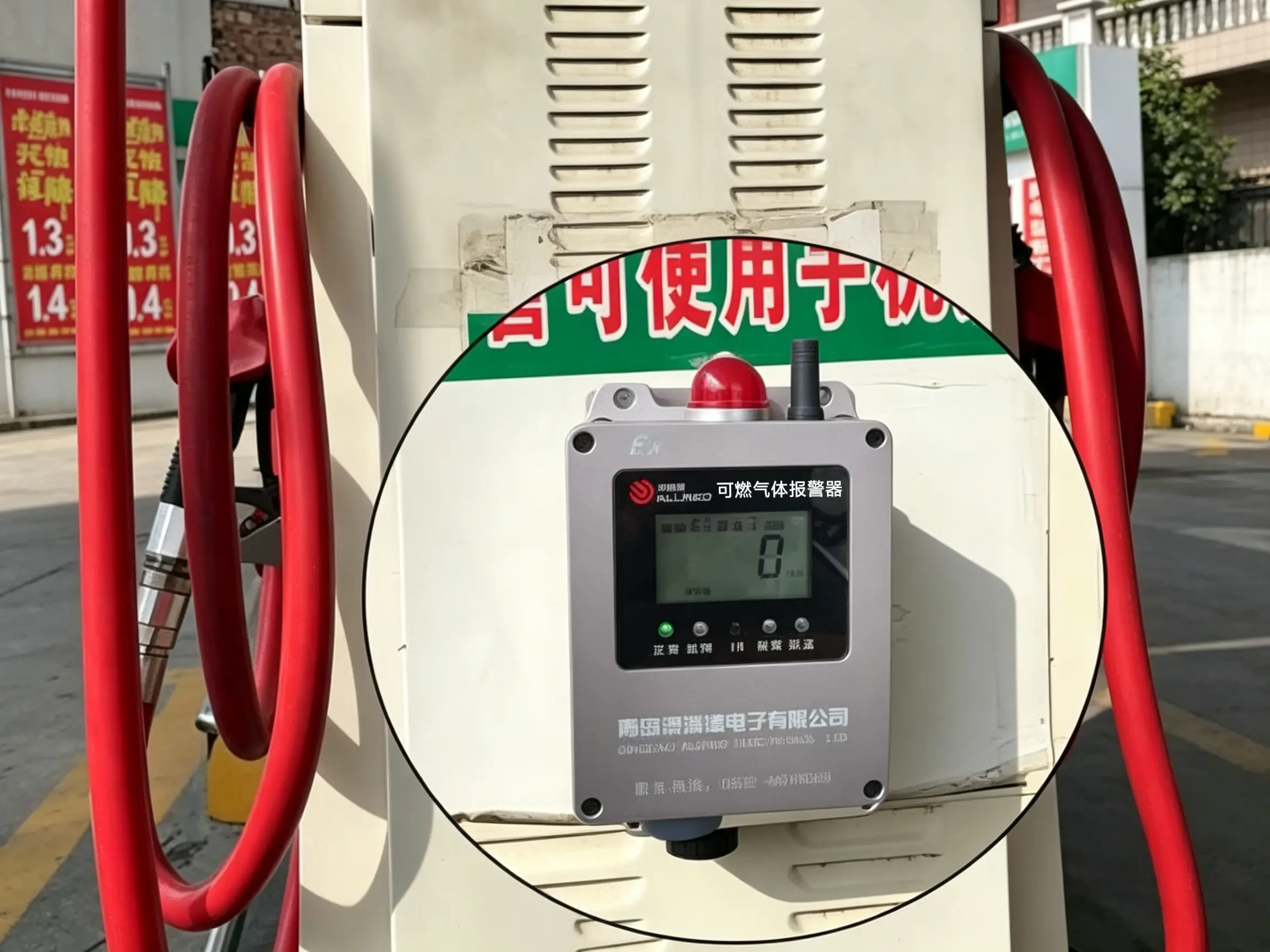
Gas Station Hazardous Area Classification and Explosion-Proof Requirements
News 2026年 8月 23日 65
Gas stations handle gasoline and other flammable fuels, which means certain areas may contain flammable vapor during normal operation or under abnormal conditions. For this reason, hazardous area classification and explosion-proof protection are important parts of gas station design. According to GB 50156—2021 and GB 50058—2014, explosive gas atmospheres can…
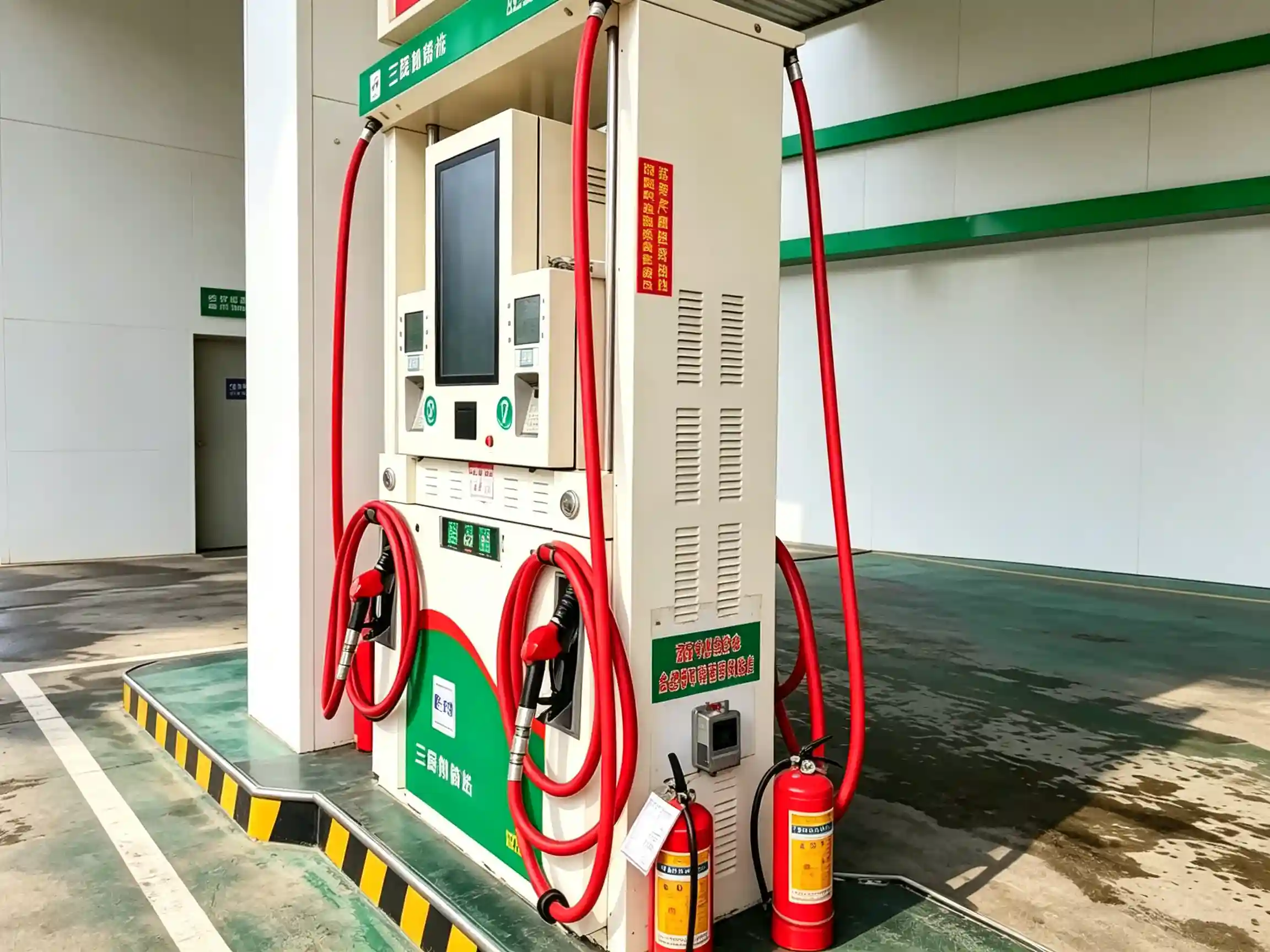
Gas Station Fire Protection Equipment Requirements: Extinguishers, Fire Sand and Emergency Safety
News 2026年 8月 21日 99
Introduction Gas station fire protection is not simply a matter of installing a few fire extinguishers. The equipment quantity, fire-water requirements, spill control and emergency shut-off system should be considered together. For gasoline stations, several practical parameters are particularly important, including the number and type of extinguishers, the …
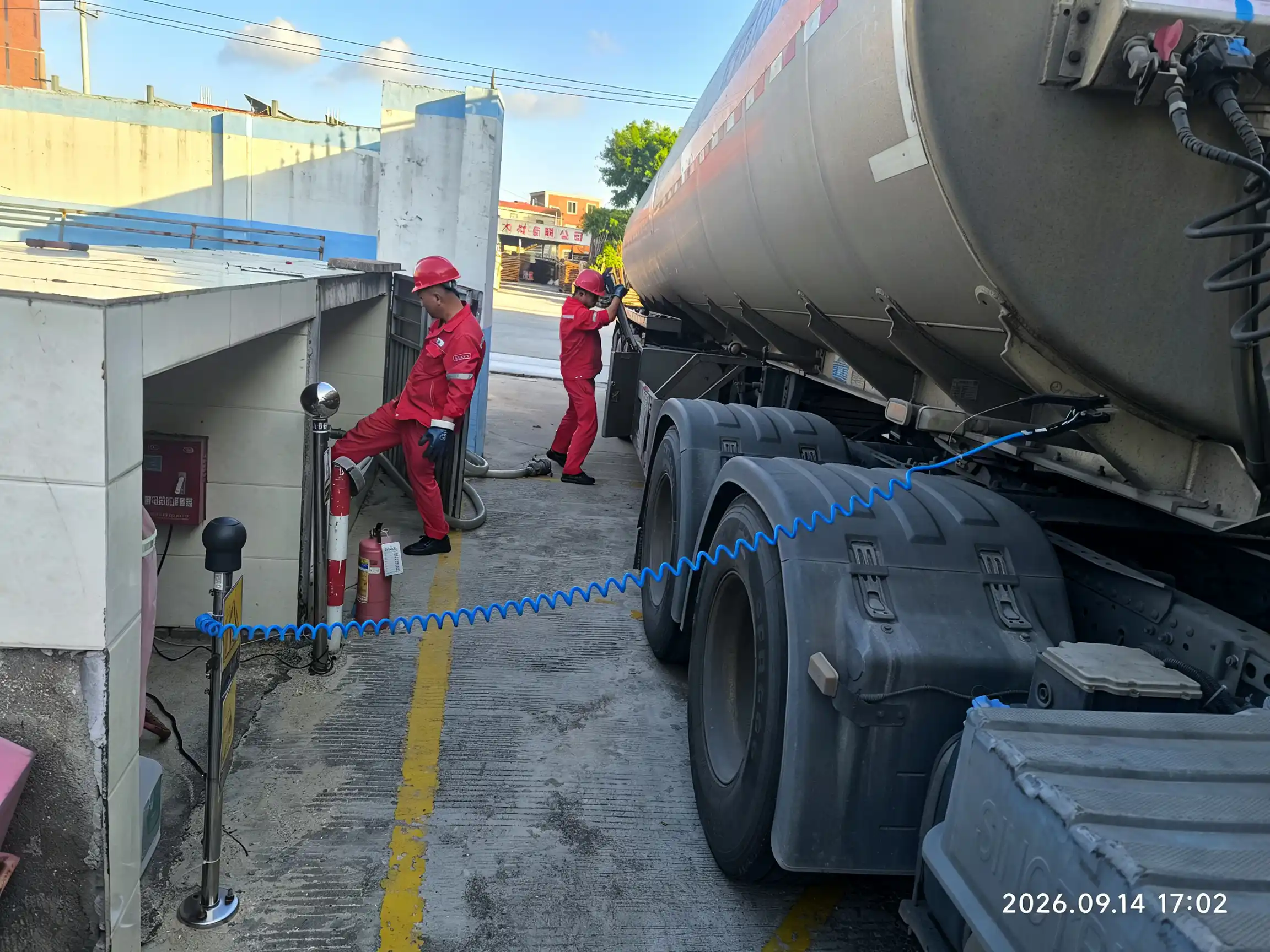
Gas Station Lightning Protection and Static Electricity Protection Requirements
News 2026年 8月 20日 39
Gas stations handle flammable fuels, so lightning protection, grounding and static electricity control are essential parts of station safety design. A properly designed system should protect underground fuel tanks, fuel piping, dispensers, unloading facilities, electrical equipment and information systems against lightning and static electricity risks. Accor…
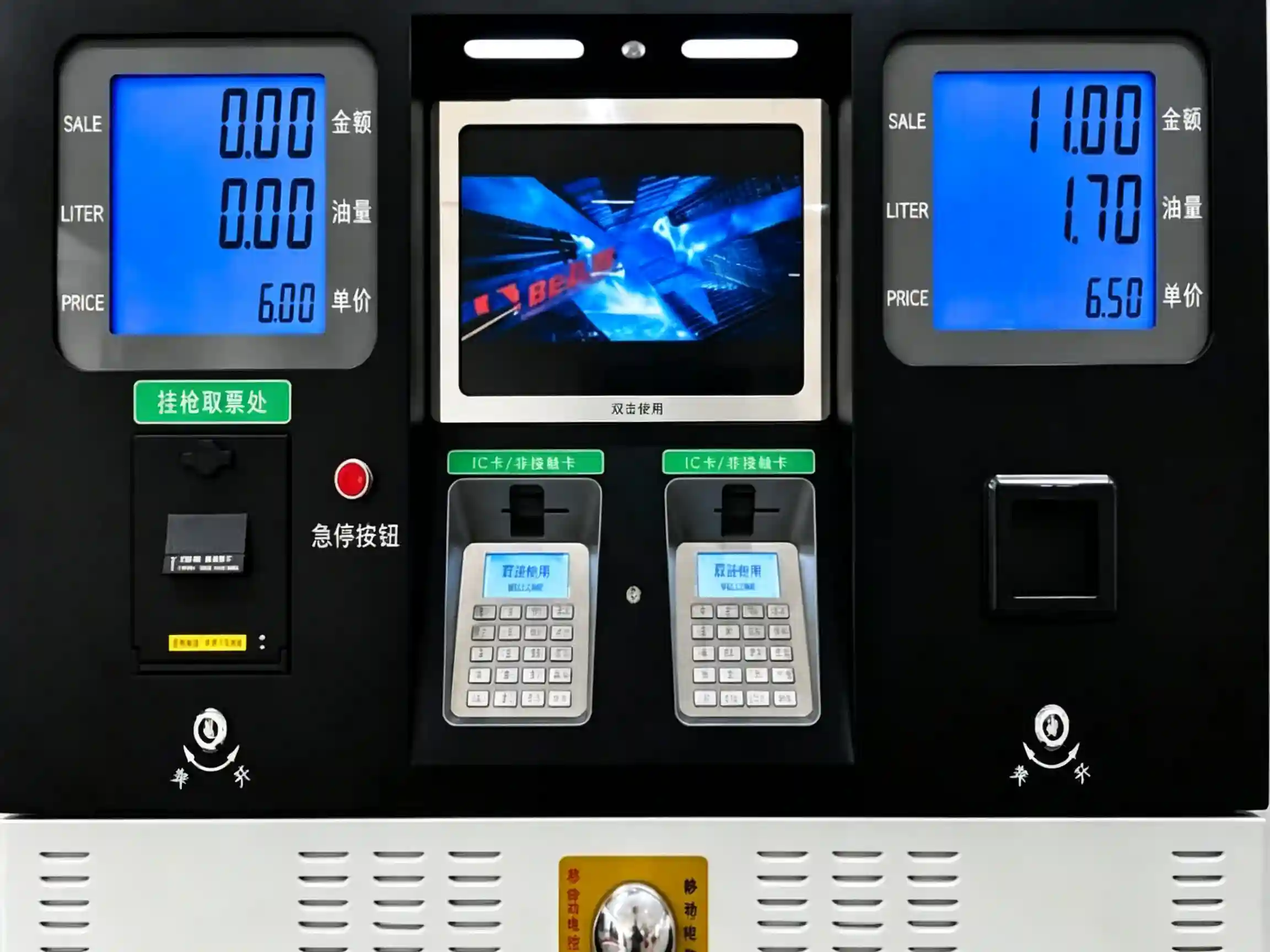
Gas Station Emergency Shutoff System Requirements: Installation & Safety Guide
News 2026年 8月 19日 49
A gas station emergency shutoff system is a critical safety system designed to stop fuel transfer quickly when a fire, fuel spill, equipment failure, leakage, or other emergency occurs. Under GB 50156-2021, gas stations are required to have an emergency shutoff system capable of achieving emergency shutdown and closing emergency shutoff valves during an acci…
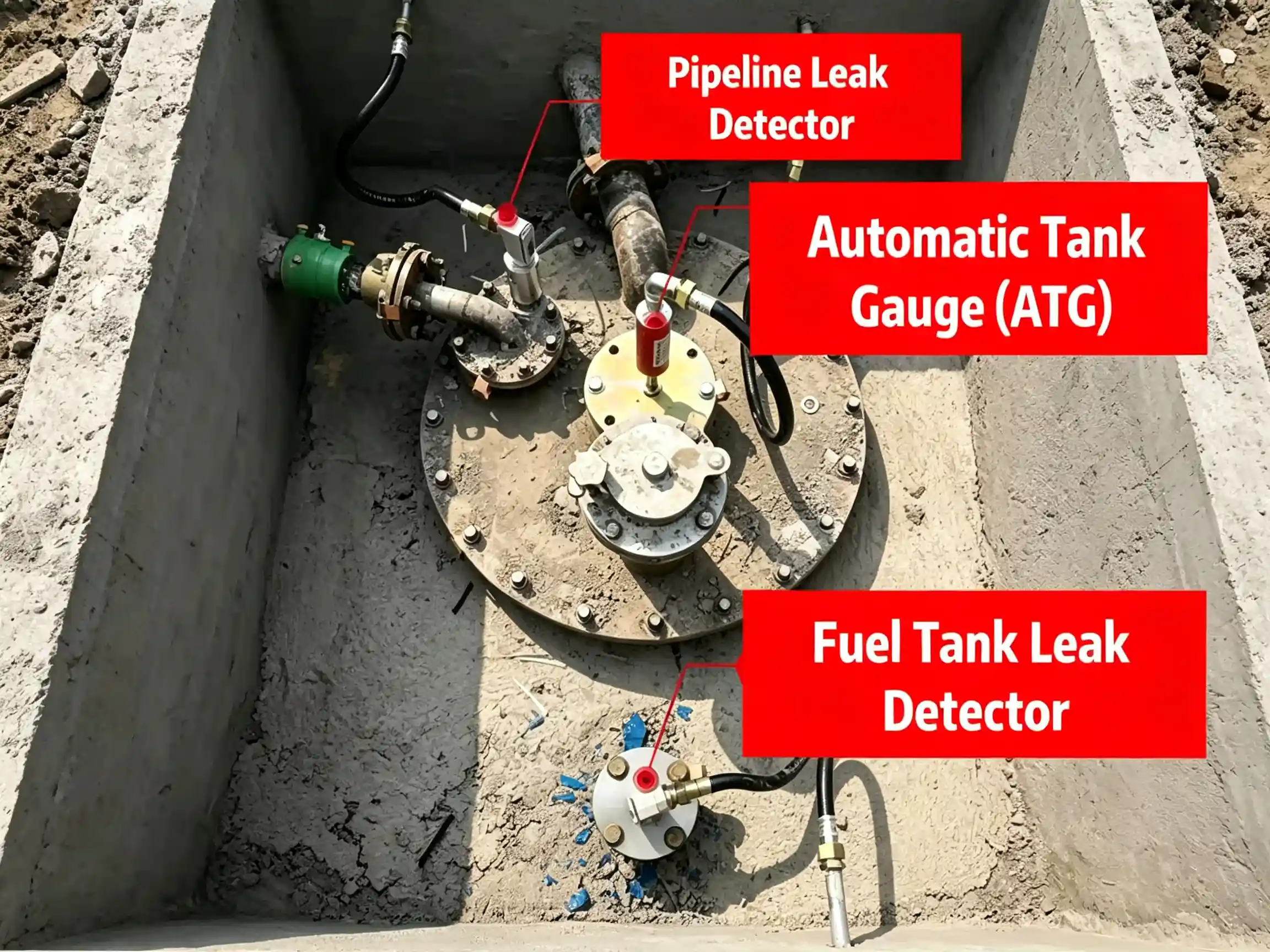
Gas Station Fuel Leak Detection System: Tanks, Piping and Sensors
News 2026年 8月 18日 67
Introduction How can a gas station detect a fuel leak before it reaches the surrounding soil? A reliable fuel leak detection system is not simply a sensor installed inside a tank or sump. It combines secondary containment, leak detection points, sensors and online monitoring to identify leakage from underground fuel tanks, piping, tank manholes and dispenser…